
Is a Canister Vacuum Worth It for Hardwood Floors?
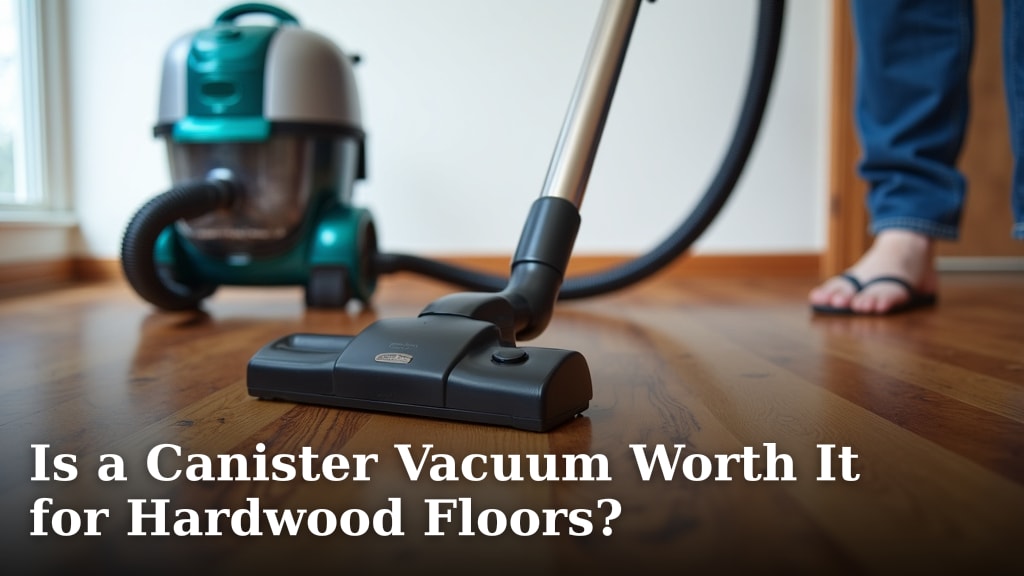
Yes, a canister vacuum can absolutely be worth it for hardwood floors. Many models offer excellent suction and specialized attachments that gently clean without scratching your beautiful floors. You’ll likely find they provide a more thorough clean than other vacuum types for this specific flooring.
When choosing, look for models with soft brush rolls or adjustable suction settings. These features help prevent dust bunnies from scattering and protect your hardwood’s finish. We’ve researched and found that the right canister vacuum can make your floor cleaning routine much easier and more effective, offering a powerful yet gentle solution.
- Canister vacuums are often a good choice for hardwood floors.
- Look for soft brush rolls and adjustable suction.
- They can provide a thorough clean without damaging floors.
- Consider models designed for bare floors.
- Investigating specific features will help you decide.
Let’s walk through what makes a canister vacuum a great option for your hardwood floors and what to consider when shopping.
Are Canister Vacuums the Right Choice for Your Hardwood Floors?
You’ve got beautiful hardwood floors. Now you need a way to keep them clean without scratching or damaging that lovely finish. It’s a common dilemma for homeowners. Many wonder if a canister vacuum is the best tool for the job. We’ve researched this, and the answer is a resounding yes. Canister vacuums can be wonderfully effective for hardwood. They often provide powerful suction and come with specialized tools.
The Advantage of Suction and Design for Bare Floors
Hardwood floors need a different kind of cleaning than carpets. You don’t want a beater bar that can scuff your wood. Canister vacuums excel here. They typically have a separate vacuum unit from the cleaning head. This separation allows for excellent maneuverability. You can get around furniture legs easily. The suction power is often more consistent. This is because the motor is further from the floor.
Key Features to Look for in a Hardwood Floor Canister Vacuum
Not all canister vacuums are created equal for hardwood. You need to be selective. Certain features make a big difference. They ensure your floors get clean without any unwanted side effects. Let’s break down what to prioritize.
Soft Brush Rolls or No Brush Roll at All
This is probably the most important factor. A traditional vacuum cleaner often has a spinning brush roll. This is great for agitating carpet fibers. For hardwood, it can be a problem. It can scratch the finish or even the wood itself. Many canister vacuums designed for bare floors have a soft bristle brush roll. These are made of softer materials. They gently sweep debris into the suction path. Some models even offer a suction-only floor head. This means no spinning brush at all, which is ideal for delicate surfaces. We found that vacuums with adjustable brush rolls, or the option to turn them off, offer the most versatility.
Adjustable Suction Control
Hardwood floors can sometimes create a seal with the vacuum head. This can make the vacuum hard to push. It can also lift lighter rugs. Adjustable suction control is a lifesaver. It allows you to lower the suction power. This makes the vacuum easier to move. It also helps prevent lighter items from being pulled into the machine. For very delicate or older wood floors, lower suction is often recommended (The Spruce).
Specialized Attachments
Canister vacuums usually come with a range of attachments. For hardwood, look for a crevice tool. This is perfect for getting into the narrow gaps between floorboards. A dusting brush with soft bristles is also handy. You can use it for baseboards or even to gently clean your wood furniture. Some vacuums include a specific bare floor tool. This tool is often wider. It has special channels to capture fine dust and debris effectively.
Filtration System
While not directly related to scratching, good filtration is important for any vacuum. Hardwood floors can kick up dust. You want a vacuum that traps this dust. It shouldn’t just recirculate it back into the air. Look for models with HEPA filtration. This type of filter captures very small particles. It can help improve your indoor air quality. Many guidelines suggest HEPA filters are best for allergy sufferers (Cleveland Clinic).
Canister Vacuums vs. Other Types for Hardwood
Let’s quickly compare canister vacuums to other popular options for hardwood floors. This will help you see why they often come out on top.
| Vacuum Type | Pros for Hardwood | Cons for Hardwood |
|---|---|---|
| Canister Vacuum | Excellent suction, maneuverable, specialized tools, often gentle on floors. | Can be heavier to carry up stairs, storage can be bulky. |
| Upright Vacuum | Good for whole-home cleaning, often powerful. | Beater bar can damage floors, can be heavy and less maneuverable. |
| Stick Vacuum | Lightweight, convenient for quick cleanups. | Lower suction power, smaller dustbin, may not have specialized hardwood tools. |
| Robot Vacuum | Automated cleaning, good for maintenance. | Can miss spots, may not have soft brushes, can get stuck on obstacles. |
The Upright Dilemma
Upright vacuums are workhorses. Many come with powerful motors. However, their built-in brush rolls can be a real concern for hardwood. If an upright has a brush roll, you absolutely need to be able to turn it off. Even then, the machine itself can be a bit bulky. Maneuvering around furniture legs is not always easy. We found that dedicated canister models often offer a more targeted approach for wood floors.
Stick Vacuums: Good for Quick Touch-ups
Stick vacuums have surged in popularity. They are wonderfully lightweight. They are perfect for grabbing when you see a small mess. Many do have a soft roller head option. However, their suction power is generally lower than that of a good canister vacuum. The dustbins are also much smaller. They are great for daily maintenance. They might not be enough for a deep clean. You might find yourself emptying them quite often.
Robot Vacuums: The Hands-Off Approach
Robot vacuums are fantastic for keeping floors tidy between deep cleans. They can run automatically. This is a huge convenience. However, they can miss corners and edges. They also rely on sensors. They might not navigate your floor layout perfectly every time. Some may still have spinning brushes that could be too aggressive. They are a good supplement, not usually a primary cleaning tool for hardwood.
Maintaining Your Canister Vacuum for Optimal Hardwood Care
Once you have the right canister vacuum, taking care of it is key. This ensures it keeps performing well on your hardwood floors. Regular maintenance prevents issues.
Emptying the Dustbin
Don’t let the dustbin get too full. A full bin reduces suction power. It can also cause dust to escape back into the air. We found that emptying it after each use, or when it reaches about two-thirds full, is ideal.
Cleaning and Replacing Filters
Filters trap dirt and dust. Over time, they get clogged. This also impacts suction. Check your vacuum’s manual. It will tell you how often to clean or replace filters. For HEPA filters, replacement is usually necessary. It’s typically done once or twice a year, depending on usage (Consumer Reports).
Checking and Cleaning Brush Rolls and Hoses
Even soft brush rolls can pick up hair and debris. Periodically check them. Remove any tangled items. Ensure the hose is clear of blockages. A clear path for the air ensures maximum suction.
Is a Canister Vacuum Worth the Investment for Your Hardwood?
Considering their specific design features, specialized tools, and strong suction capabilities, canister vacuums often prove to be a worthwhile investment for hardwood floors. They offer a balance of power and gentleness that many other vacuum types struggle to match for bare floors.
Your Hardwood Floor Cleaning Checklist
To help you decide, consider these quick points:
- Do you want a vacuum that won’t scratch your floors?
- Are you looking for strong, consistent suction power?
- Do you need specialized tools for edges and tight spots?
- Is maneuverability around furniture important to you?
- Do you prefer a system separate from the cleaning wand?
- Are you willing to invest in a tool designed for specific floor types?
Conclusion
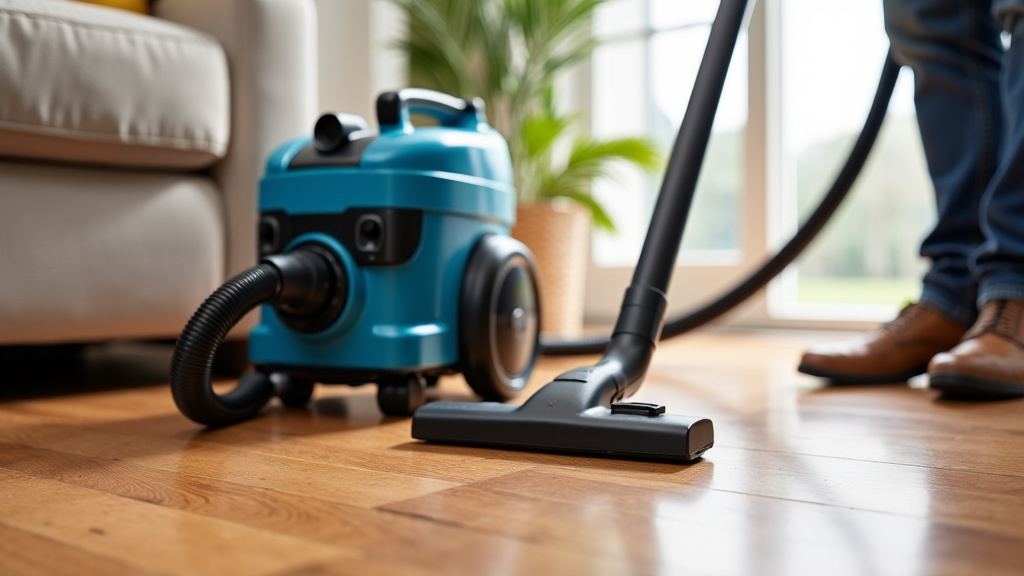
You’ve seen how canister vacuums can be a fantastic choice for keeping your hardwood floors pristine. Their powerful, consistent suction and often specialized attachments provide a thorough clean without risking scratches. Remember to prioritize models with soft brush rolls or the ability to turn them off, and look for adjustable suction. By choosing the right canister vacuum and performing regular maintenance, you’re investing in a cleaning solution that respects your beautiful hardwood and makes your chore list much easier. Your next step is to start comparing models that fit these criteria for your home.
Frequently Asked Questions
Will a canister vacuum scratch my hardwood floors?
Generally, no, not if you choose the right model. Look for canister vacuums with soft brush rolls or suction-only heads designed for bare floors. These features prevent the direct contact that can cause scratching, ensuring your floors stay protected.
Are canister vacuums too powerful for hardwood?
Not necessarily. Many canister vacuums offer adjustable suction control. This feature allows you to lower the power, making them easier to maneuver and preventing potential damage to older or more delicate hardwood finishes. It also helps with lighter rugs.
Can a canister vacuum handle pet hair on hardwood?
Yes, canister vacuums often excel at picking up pet hair on hardwood. Their strong suction, combined with specialized tools like crevice or upholstery attachments, can effectively capture embedded pet hair and dander from both the floor and baseboards.
What kind of maintenance does a canister vacuum need for hardwood floors?
Regular maintenance is key. You’ll want to empty the dustbin frequently, clean or replace filters as recommended by the manufacturer, and check the hose and any brush rolls for blockages or tangled hair to ensure optimal suction.
Is a canister vacuum better than an upright for hardwood?
For hardwood floors specifically, many users find canister vacuums to be a better choice. They tend to be more maneuverable around furniture, often have gentler cleaning heads, and offer more consistent suction. Uprights can sometimes be too aggressive for bare floors.
