
Which Is Better for Hardwood Floors a Canister or Upright Vacuum?
When choosing between a canister or upright vacuum for your hardwood floors, a canister vacuum generally offers better protection. Its design often features gentler brush rolls and stronger suction, which can be less likely to scratch delicate wood finishes. Uprights can be effective, but their more aggressive brush agitation sometimes poses a risk.
We know keeping hardwood floors looking pristine can feel like a constant battle. The right vacuum cleaner is key to avoiding scratches and ensuring a deep clean. Understanding the differences in how canister and upright vacuums work will help you make the best choice for your home. Your floors will thank you for it!
- Canister vacuums are often better for hardwood floors.
- They tend to have gentler cleaning heads.
- Upright vacuums can be riskier due to aggressive brushes.
- Consider models with specialized hardwood floor attachments.
Let’s walk through exactly why a canister might be your best bet and what to look for in either style.
Canister vs. Upright Vacuums for Your Hardwood Floors
When it comes to keeping your hardwood floors looking their best, the type of vacuum cleaner you choose makes a big difference. You might be wondering which is the better option: a canister or an upright vacuum. We’ve found that canister vacuums often have an edge for hardwood floors. They tend to be gentler and offer more control. Let’s break down why.
Understanding the Design Differences
The core difference lies in their construction and how they operate. Upright vacuums are a familiar sight. They have a single unit that contains the motor, bag or bin, and the cleaning head. Everything is in one vertical unit.
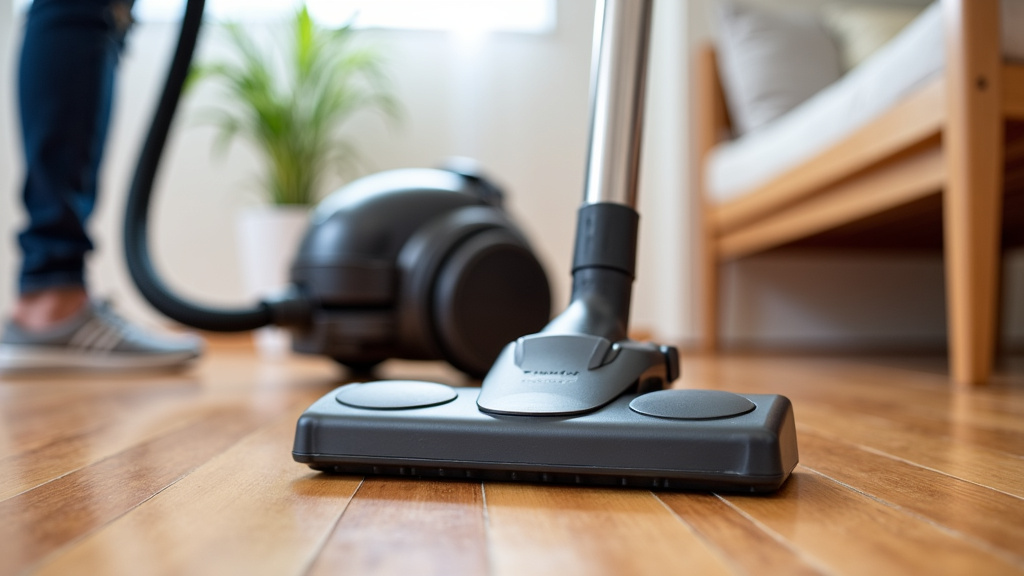
Canister vacuums, on the other hand, have a separate canister. This canister holds the motor and the dust collection. A hose connects it to the cleaning wand and the floor head. This separation allows for different cleaning head designs and more maneuverability.
How Design Impacts Your Hardwood
The way these vacuums are built directly affects how they treat your floors. Uprights often have a beater bar or brush roll. This is great for carpets, agitating dirt and debris. But on hardwood, this can sometimes be too aggressive. It can cause scuffs or scratches over time. Many uprights now offer a brush roll shut-off feature, which is a big plus. You can turn off the spinning brush when cleaning hard floors.
Canister vacuums typically come with a hose and a floor tool. This floor tool is often a simple suction head or a brush designed for hard floors. Some even have soft bristles. This means less direct agitation on your wood. The power comes from the main unit, delivering strong suction through the hose. This can be ideal for picking up dust and fine debris without damaging your finish.
Key Features to Look For on Either Type
No matter which style you lean towards, certain features are essential for hardwood floor care. You want a vacuum that cleans effectively without causing harm. We’ve researched the most important elements for you.
Suction Power: The Real Cleaning Muscle
Both canister and upright vacuums need good suction to work well on hardwood. Fine dust, pet hair, and crumbs can get embedded in wood grain. Strong suction is key to pulling these particles out. You’ll want a vacuum with powerful airflow. This is often measured in air watts (AW). Higher AW generally means better suction.
Many manufacturers highlight their suction power. Look for models that boast strong performance on bare floors. Don’t just assume power; check the specs. Some vacuums might have high power but are designed primarily for carpets. You need one that transfers that power effectively to a hard floor attachment.
Brush Rolls: Friend or Foe to Your Floors?
This is where the canister often shines. Many canister vacuums come with a specialized hard floor tool. These tools might have soft bristles made of horsehair or microfiber. They gently sweep debris towards the suction opening. Some simply rely on suction alone, with no spinning brush at all.
For uprights, the key is the brush roll on/off switch. If your upright has a brush roll, ensure you can disable it. Running a spinning brush on hardwood is like giving it a constant scrub. While it might seem like it’s cleaning better, it can cause micro-scratches. These accumulate and dull your floor’s finish over time. Some uprights have adjustable height settings. This can help lift the brush roll slightly off the floor surface.
The Benefits of a Soft Brush Roll
A soft brush roll, often found on canister floor heads, is a real bonus. Think of it like a feather duster that also vacuums. It gently nudges particles without abrading the surface. This is especially important for softer wood types or floors with delicate finishes. Many sources on floor care recommend this gentle approach (National Wood Flooring Association).
Weight and Maneuverability: Getting into Every Nook
Hardwood floors often have furniture and tight spaces. Your vacuum needs to be easy to move around. Upright vacuums can be heavier and bulkier. This can make them awkward to push and pull, especially if you have a lot of furniture to navigate around.
Canister vacuums tend to be more flexible. The main unit stays put while you guide the lightweight wand. This makes it easier to reach under couches, around chair legs, and into corners. Some canister models are quite compact, making them simple to store and transport.
How Canisters Excel in Tight Spots
The hose and wand design of a canister vacuum is its superpower for maneuverability. You’re not fighting the weight of the motor. You’re just directing the cleaning head where you want it to go. This can save you a lot of effort when cleaning a large area with many obstacles. It’s like having a powerful remote-controlled cleaning tool!
Specialized Attachments Make a Difference
Regardless of whether you choose a canister or an upright, look for models that come with specific hardwood floor attachments. These accessories are designed with your floors in mind. They can significantly improve cleaning performance and protect your investment.
The Power of a Parquet Brush
A common and effective attachment is the parquet brush. These brushes usually have soft bristles arranged in a specific pattern. They are excellent for sweeping up dust and debris without scratching. You’ll often find these included with higher-end canister vacuums. If your upright doesn’t have a good hard floor setting, a separate parquet brush attachment can be purchased.
Crevice Tools and Dusting Brushes
Beyond the main floor head, other attachments are useful. A crevice tool helps you get into the gaps between floorboards, where dust loves to hide. A dusting brush with soft bristles is perfect for cleaning baseboards or delicate furniture legs without marking them. These smaller tools add to the overall cleaning capability of your vacuum.
Choosing the Right Vacuum for Your Home: A Checklist
To help you make the best decision, here’s a quick checklist of what to look for:
- Gentle Floor Head: Does it have a soft brush roll or a no-brush suction head for hard floors?
- Brush Roll Control: If it’s an upright, can you turn off the spinning brush roll?
- Strong Suction: Does it have good airflow (AW) for effective debris pickup?
- Maneuverability: Is it lightweight and easy to move around furniture?
- Specialized Attachments: Does it come with tools for hard floors, crevices, and dusting?
- Filtration System: Look for a sealed system and HEPA filter to capture fine dust and allergens (Cleveland Clinic).
Canister Vacuums: Our Top Pick for Hardwood
Based on design and functionality, many experts and consumers find canister vacuums to be the superior choice for hardwood floors. Their flexible hose, often gentler floor heads, and ability to control brush agitation give them a clear advantage. They generally offer a more controlled and less abrasive cleaning experience. This helps preserve the beauty and longevity of your hardwood.
When an Upright Might Still Work
However, this doesn’t mean an upright vacuum is completely off the table. If you already own a good upright, ensure it has a brush roll shut-off. Using this feature is non-negotiable for hardwood. Some newer uprights also feature highly effective hard floor attachments. If you prefer the all-in-one convenience of an upright, look for models specifically designed or advertised for bare floors.
The goal is to remove dirt and dust without damaging the finish. Both types of vacuums can achieve this, but canister models often require fewer compromises. Your hardwood floors are an investment. Choosing the right vacuum helps protect that investment.
| Feature | Canister Vacuum | Upright Vacuum |
|---|---|---|
| Floor Head | Often specialized for hard floors; soft bristles or suction-only. | Typically includes a brush roll; check for shut-off or hard floor setting. |
| Agitation Risk | Low; gentler designs. | Moderate to High; brush roll can cause scratches if not disabled. |
| Maneuverability | High; separate canister and hose allow easy movement. | Moderate; can be heavier and harder to steer around obstacles. |
| Suction Delivery | Consistent through hose and wand. | Can be affected by brush roll interaction; check for bare floor modes. |
| Attachments | Often include dedicated hard floor tools. | May require purchasing separate hard floor attachments. |
Conclusion
When prioritizing the health of your hardwood floors, a canister vacuum generally takes the lead. Its design often allows for gentler cleaning heads and more controlled suction, reducing the risk of scratches and scuffs. While an upright can work, you’ll need to ensure it has robust brush roll controls or a dedicated hard floor mode. Remember, the goal is effective cleaning without damaging your beautiful wood finish. Your next step is to assess your current vacuum’s features against these points and consider attachments or a new model if needed to protect your investment.
Frequently Asked Questions
Can I use my upright vacuum with a spinning brush roll on hardwood?
We strongly advise against it. A spinning brush roll on an upright vacuum can cause micro-scratches and dull your hardwood floor’s finish over time. Always use the brush roll shut-off feature or a dedicated hard floor setting if your upright has one. If not, consider a specialized attachment.
What if my vacuum doesn’t have a specific hardwood floor attachment?
If your vacuum lacks a dedicated hardwood attachment, look for models that allow you to turn off the brush roll entirely. Relying on suction power alone is much safer for wood floors. You can also often purchase universal parquet brush attachments separately for most vacuum types.
How often should I vacuum my hardwood floors?
For best results and to minimize wear, aim to vacuum your hardwood floors at least once or twice a week. This frequency helps prevent dirt and grit from being ground into the wood grain, which can cause damage. Frequent light cleaning is better than infrequent deep cleans.
Are bagged or bagless vacuums better for hardwood floors?
Both bagged and bagless vacuums can work well for hardwood floors. The key is the suction power and the type of floor head used. Bagless models offer convenience by not requiring bag purchases, while bagged models can sometimes offer better filtration and a cleaner disposal process for allergens.
Will a canister vacuum with a powerful motor damage my hardwood floors?
A powerful motor in a canister vacuum is generally a good thing, as it means strong suction. The potential for damage comes from the cleaning head’s design, not the motor’s strength. Canister vacuums typically use specialized, gentler floor heads or hoses that deliver suction effectively without aggressive agitation, making them safe for hardwood.
