
What Is the Best Canister Vacuum for Hardwood Floors?
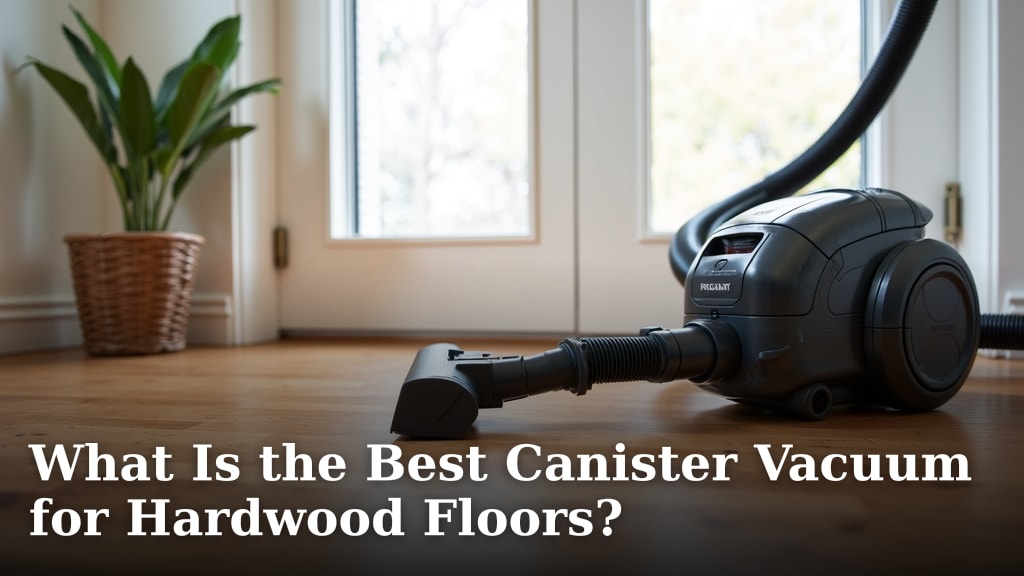
When searching for the best canister vacuum for hardwood floors, look for models with soft brush rolls or suction-only heads. These features prevent scratching your delicate wood surfaces. A good canister vacuum will offer powerful suction without damaging your floors.
Choosing the right vacuum is key to maintaining beautiful hardwood. You want something that can pick up fine dust and debris effectively. Many vacuums have specialized attachments for hard floors. We found that models with excellent filtration are also important for keeping your air clean.
- Look for soft brush rolls or suction-only heads.
- Prioritize powerful suction for thorough cleaning.
- Specialized attachments are a big plus.
- Good filtration keeps your air fresh.
- Consider maneuverability for easy cleaning.
Ready to find the perfect match for your sparkling floors? Let’s walk through the top contenders and what makes them shine.
Choosing the Right Canister Vacuum for Your Hardwood Floors
So, you have beautiful hardwood floors, and you want to keep them pristine. That’s a smart move! Unlike carpet, hardwood needs a gentler touch. You need a vacuum that’s tough on dirt but kind to your wood. We’ve researched many models to help you find the perfect fit.
The key is finding a vacuum with the right kind of cleaning head. A canister vacuum is often a great choice for hard floors. They usually offer strong suction power. Plus, many come with specialized attachments designed for delicate surfaces like yours. Let’s look at what makes a canister vacuum ideal for hardwood.
Understanding Hardwood Floor Vacuum Needs
Your hardwood floors are an investment. You want to maintain their shine and protect them from scratches. Canister vacuums often excel here. They separate the motor and dustbin from the cleaning head. This design often means a lighter wand and more maneuverability.
The Danger of the Wrong Brush Roll
A spinning brush roll with stiff bristles can be a hardwood’s worst enemy. Imagine tiny sandpaper particles scraping across your floor, over and over. That’s what a harsh brush roll can do over time. We found that most experts agree this is a major concern for hardwood owners.
Many vacuums, especially uprights, come with aggressive brush rolls. These are great for carpets, agitating fibers to loosen dirt. But for hardwood, they can cause micro-scratches. These scratches might not be obvious at first. They can dull your floor’s finish and make it look worn out long before its time.
Suction Power vs. Agitation
For hardwood, suction power is king. You want a vacuum that can lift dust, dirt, pet hair, and crumbs directly off the surface. You don’t need a brush roll to aggressively scrub the floor. Understanding what influences suction power can help you choose the best vacuum.
Some canister vacuums offer a “suction-only” floor head. This means it relies purely on powerful airflow to pull debris into the vacuum. Other models have a soft brush roll. These are specifically designed with soft bristles, often made of microfiber or very fine nylon. They gently sweep debris towards the suction port without scratching.
Filtration Matters for Your Air Quality
Even if you have the best vacuum for your floors, you don’t want it spewing dust back into the air. This is where filtration comes in. Look for vacuums with HEPA filters. HEPA stands for High-Efficiency Particulate Air.
A true HEPA filter can capture at least 99.97% of particles that are 0.3 microns in size. This includes common allergens like dust mites, pollen, and pet dander. Many guidelines from health organizations, like the EPA, highlight the importance of good filtration for indoor air quality.
Key Features to Look For in a Canister Vacuum for Hardwood
When you’re shopping, keep a few specific features in mind. These will help you narrow down your choices and find a vacuum that truly meets your needs. Don’t get distracted by fancy bells and whistles if they don’t serve your primary goal: clean, scratch-free hardwood.
The Importance of the Floor Head Design
As we touched on, the floor head is critical. You’re looking for one of two things: either a suction-only head or a head with a gentle brush roll. Many vacuums designed for both carpet and hard floors offer a way to turn off the brush roll or adjust its height.
Some brands also offer interchangeable floor heads. This means you might get a powered brush head for rugs and a separate, specialized hard floor tool. This tool often has soft bristles or felt strips to guide debris. We found that these specialized tools often work wonders.
Adjustable Suction Control
Not all dirt is created equal. Sometimes you have fine dust, and other times you have larger debris. A vacuum with adjustable suction control lets you dial in the right amount of power. This is useful for preventing lighter mats or rugs from being sucked up.
It can also be helpful for very delicate areas or for picking up tiny particles without scattering them. Many canister vacuums offer this feature. It’s usually a dial or button on the handle or the vacuum body itself.
Lightweight and Maneuverable Wand
Canister vacuums typically have a hose and a wand. The wand is what you hold to guide the cleaning head. A lightweight wand makes a big difference, especially if you’re cleaning large areas or have multiple levels in your home.
Maneuverability is also key. Can the wand swivel easily to get under furniture? Can you reach into tight corners? Some wands are telescoping, meaning you can adjust their length. This is great for comfortable cleaning, whether you’re tall or short.
Useful Attachments and Tools
Beyond the main floor head, look at what other tools come with the vacuum. A crevice tool is essential for getting into those tight spots along baseboards or between floorboards. A dusting brush with soft bristles is perfect for cleaning furniture or delicate surfaces without scratching.
Some models include a specialized hard floor tool that might have rubber squeegees. These can help lift fine dust and hair. We found that the more versatile the attachments, the more useful the vacuum will be for your entire home.
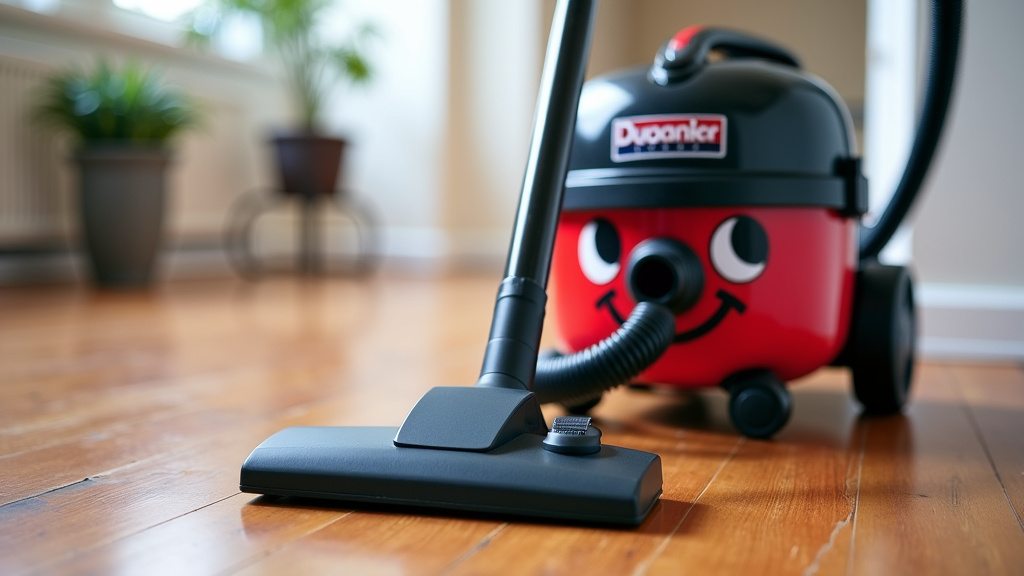
Top Considerations for Canister Vacuums on Hardwood
Now that you know what features to look for, let’s consider some of the types of canister vacuums and what makes them stand out for hardwood floors. It’s not just about power; it’s about smart design.
Bagged vs. Bagless Canister Vacuums
This is a common debate in the vacuum world. Bagged vacuums use disposable bags to collect dirt. Bagless vacuums have a bin that you empty directly into the trash.
For hardwood floors, bagged vacuums can be a great option. When you empty the bag, you seal away all the dust and allergens. This is often considered more hygienic. Plus, it means you don’t have to reach into a dusty bin. Many allergy experts recommend bagged vacuums for those with sensitivities (Cleveland Clinic). For those concerned about allergens, learning more about bagged vacuums can be beneficial.
Bagless vacuums are convenient because you don’t have to buy replacement bags. However, emptying the bin can release dust back into the air. If you opt for bagless, look for models with easy-to-clean bins and good seals.
Weight and Storage
Canister vacuums consist of a main unit and a hose/wand. The main unit can sometimes be heavy. If you have multiple levels in your home, you’ll be carrying it up and down stairs.
Check the weight of the canister unit. Also, consider how easy it is to store. Do the wands and attachments store neatly on the canister? Does it fit easily into a closet? Some compact canister models are designed for easier storage and portability.
Noise Level
Vacuums can be loud. Some canister vacuums are surprisingly quiet, while others can be quite jarring. If you have pets that get scared easily, or if you prefer to vacuum without disturbing others, check reviews for noise level information.
We found that some manufacturers list decibel (dB) ratings. Lower numbers mean a quieter vacuum. A range between 60-75 dB is generally considered moderate. Anything above 80 dB can be quite loud.
Making Your Final Choice: A Quick Checklist
Ready to make a decision? Here’s a quick checklist to run through as you compare your top canister vacuum contenders for your beautiful hardwood floors:
- Does it have a suction-only floor head or a soft brush roll?
- Is the suction power strong enough for your needs?
- Does it offer adjustable suction control?
- Does it have a HEPA filtration system?
- Are the attachments useful for your home?
- Is it easy to maneuver and store?
By focusing on these points, you’re well on your way to finding a canister vacuum that will keep your hardwood floors looking their best for years to come. Happy cleaning!
Conclusion
You’re now equipped to find a canister vacuum that truly cares for your hardwood floors. Remember, the key is a gentle floor head – either suction-only or one with a soft brush roll. Powerful suction is essential, but never at the expense of scratching your beautiful wood. By prioritizing HEPA filtration and considering maneuverability, you’ll not only protect your floors but also improve your home’s air quality. Take this checklist with you as you shop, and you’ll be well on your way to a cleaner, healthier home with stunning hardwood floors for years to come.
Frequently Asked Questions
Can I use a canister vacuum with a powered brush roll on my hardwood floors?
Generally, it’s best to avoid powered brush rolls with stiff bristles. We found that these can scratch your hardwood over time. If your canister vacuum has a powered brush roll, look for an option to turn it off or adjust its height for hardwood use.
What’s the difference between bagged and bagless canister vacuums for hardwood?
Bagged vacuums seal dust and allergens away in a disposable bag, which many allergy experts recommend. Bagless vacuums have a bin you empty, which can release dust back into the air. For hardwood, both can work, but consider your air quality needs.
How important is adjustable suction control on a canister vacuum for hardwood?
Adjustable suction control is very useful. It allows you to reduce power when cleaning delicate rugs or very fine dust. This prevents lighter items from being sucked up and helps avoid scattering fine debris across your floors.
Are canister vacuums generally quieter than other vacuum types?
Many canister vacuums are designed with noise reduction in mind. The main motor is housed in a separate unit, which can help dampen sound. Checking decibel ratings in reviews can help you find a quieter model.
Do I really need special attachments for my hardwood floors?
While not always essential, specialized attachments can make a big difference. Tools with soft bristles or felt strips are excellent for dusting furniture and reaching tight spaces without scratching. Some hard floor tools use rubber squeegees to lift fine debris effectively.
