
How Does A Wet And Dry Vacuum Cleaner Work?
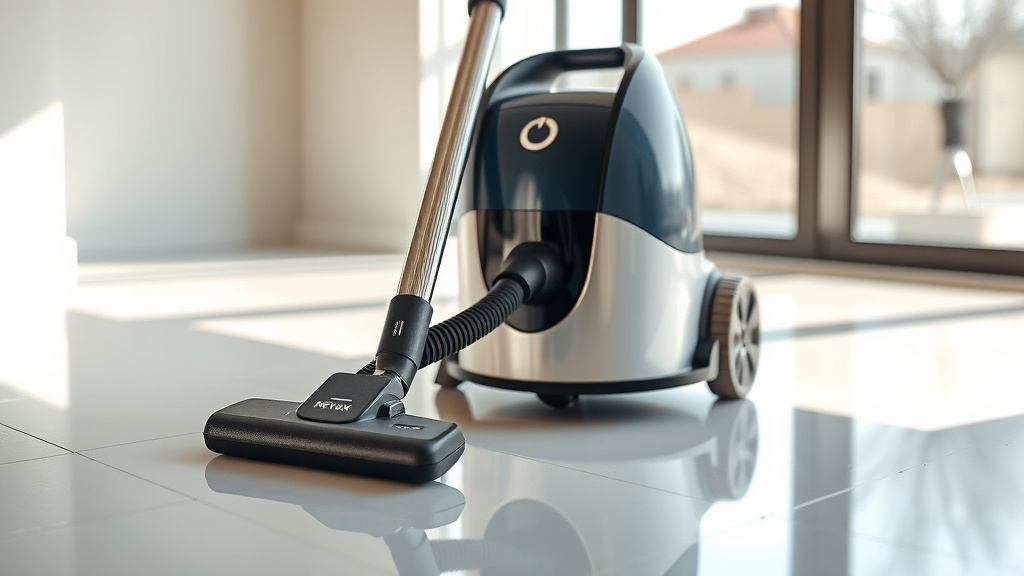
A wet and dry vacuum cleaner works by employing a powerful motor that generates strong suction, effectively pulling in both liquid spills and dry debris. It manages these different types of messes through distinct collection systems and filtration methods within the same unit.
This versatile cleaning appliance is engineered with specialized filters and often separate compartments or operational modes, allowing it to safely and efficiently switch between tackling a flooded mess and sucking up everyday dust and dirt.
- Wet and dry vacuums use powerful suction for both liquids and solids.
- They feature unique filtration and collection systems for each type of mess.
- These machines are ideal for versatile cleaning, from spills to debris.
- You typically change filters or modes when switching between wet and dry tasks.
- Their robust design handles messes that standard household vacuums cannot.
Have you ever looked at a spilled drink and thought, “My regular vacuum can’t help with that!”? Or perhaps you’ve faced a dusty garage and wished for something more powerful than a broom. That’s where a wet and dry vacuum cleaner steps in, a true hero for so many cleaning challenges. But how does this magical machine actually manage both?
It’s not just a fancy name; these vacuums are engineered to handle virtually anything you throw at them, or rather, that you suck up with them. Think of it as your cleaning co-pilot, ready for almost any task.
How Does A Wet And Dry Vacuum Cleaner Work?
A wet and dry vacuum cleaner functions by using an electric motor to power a fan, creating a vacuum that pulls air, debris, and liquids into a collection tank. Its clever design includes specialized filtration to protect the motor, whether you are dealing with dry dust or a liquid spill.
The core idea is simple: it’s a powerful suction device. The brilliance lies in its ability to adapt. Let’s break down the components that make this dual functionality possible for your cleaning needs.
The Power Behind Suction
At the heart of any vacuum, including a wet and dry model, is the motor. This motor drives a fan, which rapidly moves air out of the collection drum. This action creates a pressure difference, a vacuum, that pulls everything in its path.
When you hear that familiar whirring sound, you’re hearing the motor working hard. This strong airflow is what gives your vacuum the ability to pick up everything from tiny dust particles to larger bits of broken glass, and even liquids.
The Dual Tank System
Unlike a traditional dry-only vacuum, many wet and dry models feature a larger, more robust collection tank. This tank is designed to hold both solid debris and liquids without damage. Some larger, more advanced models may even have separate tanks or specialized internal designs for managing wet and dry waste more efficiently.
Imagine one compartment for your morning coffee spill and another for the sawdust from your weekend project. This flexibility is what makes these vacuums so practical around your home or workshop.
How Wet Vacuuming Works
When you’re tackling a liquid mess, the vacuum’s fan creates suction just like normal. However, for wet use, a different filter (often a foam sleeve) is used, or sometimes no filter at all, depending on the model. This prevents liquid from reaching and damaging the motor.
The liquid gets pulled directly into the collection tank. As the tank fills, a float mechanism inside usually rises. This float then blocks the suction intake, preventing the tank from overflowing and safeguarding the motor from water intrusion. It’s a clever safety feature.
How Dry Vacuuming Works
For dry cleanup, you’ll typically use a paper cartridge filter or a cloth filter, similar to those found in regular dry vacuums. This filter traps dust, dirt, and other dry debris, preventing it from reaching the motor and being expelled back into the air.
The dry debris collects in the main tank, ready for easy disposal. We found that maintaining a clean dry filter is essential for peak suction performance and ensuring good air quality (Environmental Protection Agency).
Essential Parts You Should Know
Understanding the key components helps you use and maintain your wet and dry vacuum properly. Each part plays a vital role in its overall function and versatility.
The Motor and Fan
As we talked about, this is the power source. Its strength determines the vacuum’s suction. A more powerful motor means a more capable machine for heavier tasks, both wet and dry.
Collection Tanks
These tanks come in various sizes. A larger tank means you can clean more without frequent emptying. We found that tank size is a key consideration for workshops or larger spill areas.
Filters: The Great Protectors
Filters are critical. For dry use, you need filters that trap fine dust. For wet use, you need filters that allow water to pass but protect the motor. Many models require you to change filters when switching modes, so always check your owner’s manual.
- Cartridge Filter: Best for dry debris, offering fine filtration.
- Foam Filter: Used for wet pick-up, protecting the motor from liquids.
- Filter Bags: Sometimes used for dry debris to make emptying cleaner.
Hoses and Attachments
The hose is typically wider and more durable than those on household vacuums. Various attachments let you clean different surfaces, from wide floor nozzles to narrow crevice tools for tight spots or water extraction.
Why Choose a Wet and Dry Vac?
The versatility of these machines is truly unmatched. They are like the Swiss Army knife of cleaning tools for your garage, workshop, or even household emergencies.
Consider these compelling reasons:
- They tackle accidental spills and leaks with ease.
- Perfect for cleaning up after DIY projects, like sawdust or drywall dust.
- You can clean vehicle interiors, dealing with both dirt and liquid stains.
- They are great for clearing clogged sinks or drains (with caution and appropriate attachments).
- Excellent for outdoor areas like patios or porches.
Keeping Your Wet and Dry Vac Happy
Proper maintenance ensures your vacuum lasts longer and performs its best. It’s not too complicated, but it’s important to remember a few key steps.
Here’s a quick checklist:
- Empty the tank regularly: Do not let it overfill, especially with liquids.
- Clean filters after each use: Rinse foam filters, shake out or replace dry filters.
- Check hoses for blockages: Ensure clear airflow for strong suction.
- Wipe down the exterior: Prevent dirt buildup and keep it looking good.
- Store in a dry place: Protect the motor and other components from moisture.
Switching Between Modes: A Quick Guide
The process of switching from wet to dry, or vice versa, is straightforward but critical. Most models simply require you to change the filter. For dry vacuuming, use a dry filter (like a cartridge filter). For wet vacuuming, switch to a foam filter or remove the dry filter entirely if your model allows.
Always consult your vacuum’s manual. Many experts say that using the wrong filter for the job can harm the motor or reduce efficiency (Consumer Reports, general cleaning guide).
Avoiding Common Mistakes
Even with such a robust tool, there are things to avoid. Trying to pick up hot ash or flammable liquids is a big no-no; it can be incredibly dangerous. Also, avoid vacuuming extremely fine powders like drywall dust without a high-efficiency filter bag, as this can clog standard filters quickly and reduce motor life.
Finding the Right Model for Your Needs
When choosing a wet and dry vacuum, think about how you’ll primarily use it. Do you need it for small spills in the kitchen, or heavy-duty cleanup in a workshop? Factors like tank capacity, motor power, and accessory range will guide your choice. Many models offer different levels of power and features to match various tasks.
Consider the attachments included too. A good range of nozzles and brushes can make a huge difference in tackling specific cleaning challenges. We found that investing in the right accessories can greatly expand your vacuum’s usefulness.
| Feature | Consideration |
|---|---|
| Motor Horsepower (HP) | Higher HP means more suction for tough messes. |
| Tank Capacity | Larger tanks reduce emptying frequency, good for big jobs. |
| Hose Diameter | Wider hoses handle larger debris without clogging. |
| Filter Type | Ensure easy switching or availability of specific filters for wet/dry. |
| Portability | Wheels and handle size affect ease of movement. |
Conclusion
A wet and dry vacuum cleaner is an incredibly practical and versatile tool, designed to make your cleanup tasks much simpler and more effective. By understanding its dual functionality and paying attention to proper filter usage, you can master virtually any mess.
From muddy boots to accidental floods, these machines offer a powerful, all-in-one solution. With proper care and understanding, your wet and dry vacuum will be a reliable cleaning partner for years to come.
Can a wet and dry vacuum clean carpets effectively?
Yes, many wet and dry vacuums can effectively clean carpets, especially for spills or deep stains. For wet carpet cleaning, you often need to use a specific carpet cleaning solution and an appropriate attachment to extract the dirty water thoroughly. For dry debris on carpets, they work just like a powerful regular vacuum.
What kind of messes should I absolutely avoid vacuuming with a wet and dry vac?
You should never vacuum up highly flammable liquids like gasoline, paint thinners, or combustible dusts. Also, avoid very hot materials like ashes from a fireplace unless the vacuum is specifically rated and designed for ash collection with specialized filters and components. These can pose a significant fire hazard.
How often should I clean or replace the filters in my wet and dry vacuum?
Filter maintenance largely depends on how often you use the vacuum and what you’re cleaning. For heavy use or very dusty tasks, clean or replace dry filters after every few uses. Foam wet filters should be rinsed and dried after each wet job. Regular checks are essential; if you notice reduced suction, it’s a good sign the filter needs attention.
Can I use my wet and dry vacuum to unclog a drain?
Yes, in many cases, a wet and dry vacuum can help unclog a drain. By creating powerful suction at the drain opening, it can often dislodge blockages. You might need a specialized attachment to get a good seal. Just be careful not to create too much pressure and ensure the tank is ready for any extracted water and debris.
Are wet and dry vacuums noisy compared to regular household vacuums?
Wet and dry vacuums often produce more noise than typical household upright or canister vacuums. This is because they generally have more powerful motors designed for heavier-duty tasks, and their open-drum design can sometimes amplify sound. Noise levels vary greatly by model, so checking decibel ratings if noise is a concern is a good idea.
