How to Store a Canister Vacuum’s Hose Properly?
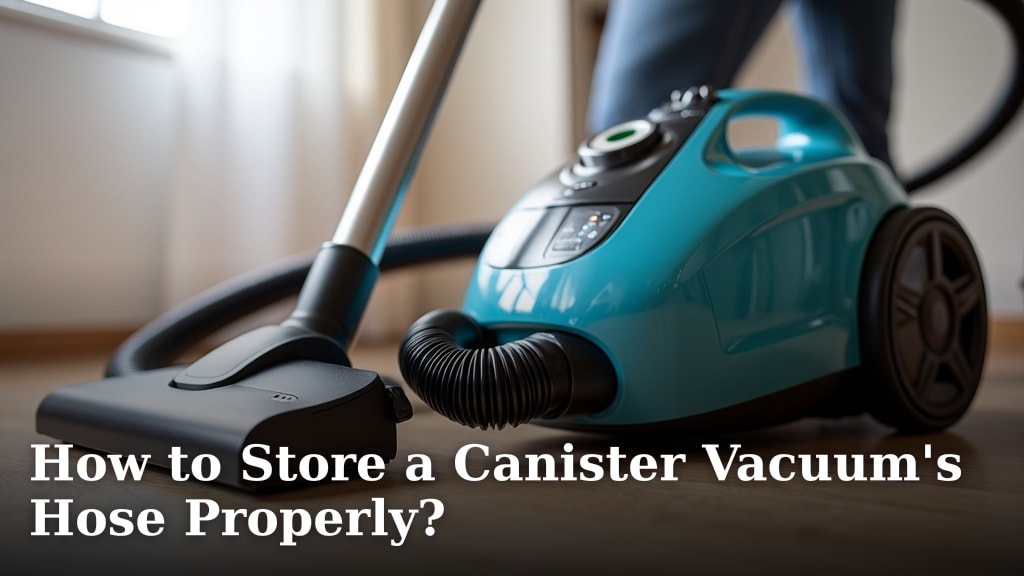
To properly store a canister vacuum’s hose, you should coil it loosely and secure it with a strap or clip. This simple method helps prevent kinks and damage, ensuring your vacuum works great for years. Proper storage also saves space and keeps your cleaning area tidy.
Many people struggle with tangled hoses, leading to frustration and reduced vacuum lifespan. We found that careful coiling is key to maintaining the hose’s integrity. Plus, it makes your next cleaning session much smoother and less annoying. Who wants to untangle a mess before vacuuming?
- Loosely coil the hose.
- Secure it with a strap or clip.
- Avoid tight wraps to prevent damage.
- Store in a cool, dry place.
- Protect it from being crushed.
Let’s walk through exactly how to keep your canister vacuum hose in top shape, step by step.
Mastering Canister Vacuum Hose Storage
Storing your canister vacuum hose correctly is simpler than you might think. The goal is to keep it from kinking, stretching, or getting crushed. This will extend its life and make your vacuuming experience much better.
Why Proper Hose Storage Matters So Much
Think of your vacuum hose as the lungs of your cleaning machine. If it’s constricted or damaged, your vacuum can’t breathe properly. This means less suction, more clogs, and a shorter lifespan for your entire unit. We found that a well-cared-for hose can last years longer than one that’s just tossed aside.
Protecting Your Investment
Your canister vacuum is an investment. You want it to work efficiently every time you pull it out. A damaged hose can lead to expensive replacements or even force you to buy a new vacuum sooner than you’d like. By storing it thoughtfully, you’re protecting your wallet and your cleaning power.
Preventing Kinks and Cracks
Kinks are the enemy of vacuum hoses. They create weak spots where the plastic can eventually crack, leading to air leaks. Once air leaks, your vacuum’s suction power drops dramatically. Proper coiling avoids these sharp bends, keeping your hose supple and strong.
The Golden Rule: Loose Coiling is Key
The most important thing to remember is to coil your hose loosely. Imagine a gentle spiral, not a tightly wound spring. This prevents stress on the hose material and keeps it flexible. Too much tension can cause the internal wire or plastic to deform, leading to permanent kinks.
Step-by-Step Coiling Technique
- Start at one end, usually the part that connects to the vacuum.
- Begin forming a large, open loop. Don’t pull it tight.
- Continue making successive loops of roughly the same size.
- Let the hose guide you; don’t force it into an unnatural shape.
- Aim for coils that are as wide as possible without being unwieldy.
- Finish when the entire hose is in a relaxed, circular shape.
Securing Your Coiled Hose
Once your hose is nicely coiled, you need to keep it that way. Floppy coils can unravel, becoming a tripping hazard and a tangled mess. There are several simple ways to secure your coiled hose, keeping it neat and contained.
Using Straps and Ties
Velcro straps are your best friend here. They are gentle on the hose and reusable. Just wrap one or two around the coiled hose to keep it together. Bungee cords can also work, but be careful not to overtighten them, as too much pressure can still deform the hose.
You can also use heavy-duty twist ties or even a short piece of rope. The key is to secure it snugly enough to hold its shape, but not so tight that it squeezes the hose material.
Clips and Wall Mounts
For a more permanent solution, consider a wall-mounted hook or a dedicated hose clip. Many vacuum manufacturers offer these accessories. Mounting your hose on the wall keeps it off the floor, saving space and preventing accidental damage. Make sure the hook is wide and rounded to avoid sharp pressure points on the hose.
Choosing the Right Storage Location
Where you store your vacuum hose is almost as important as how you store it. The environment can impact the material’s longevity. You want a place that protects it from extreme conditions and accidental harm.
Ideal Environmental Conditions
Store your hose in a cool, dry place. Extreme heat can make the plastic brittle over time, leading to cracks. Extreme cold can make it stiff and prone to breaking if bent. A closet, utility room, or garage are often good spots, as long as they aren’t subject to drastic temperature swings (CDC).
Avoiding Hazards
Keep your hose away from direct sunlight, which can degrade plastics. Also, ensure it’s not in an area where it can be easily crushed or stepped on. Don’t store heavy items on top of it. A dedicated space, out of the way but easily accessible, is perfect.
Here’s a quick comparison of storage options:
| Storage Method | Pros | Cons |
|---|---|---|
| Coiled on Floor | Easy, no extra equipment | Takes floor space, risk of damage |
| Wall Hook | Saves floor space, organized | Requires installation, visible |
| Dedicated Cabinet | Protects from dust and damage | Requires available cabinet space |
| Vacuum-Attached Storage | Convenient, all-in-one | Limited by vacuum design |
When to Inspect and Replace Your Hose
Even with perfect storage, hoses don’t last forever. Regularly inspecting your hose can help you catch problems early. Look for signs of wear and tear to prevent loss of suction during your cleaning routine.
Signs of Damage to Look For
- Visible cracks or holes in the hose material.
- Loss of flexibility, becoming stiff or brittle.
- Areas that are permanently kinked or flattened.
- A whistling sound when the vacuum is on, indicating an air leak.
- Reduced suction power, even after emptying the canister.
If you notice any of these issues, it might be time for a replacement. A new hose is far less expensive than a new vacuum, and it restores your machine’s full power.
Your Quick Hose Storage Checklist
Before you put your vacuum away, run through these simple steps. It only takes a moment but makes a big difference in hose longevity and vacuum performance.
- Ensure the hose is free of debris and clogs. If you find debris and clogs, our guide on how to unclog a vacuum hose can help restore full functionality.
- Gently coil the hose into large, loose loops.
- Secure the coil with a Velcro strap or clip.
- Store it in a cool, dry place away from direct sunlight.
- Confirm it won’t be crushed by other items.
Conclusion
You now have all the tools to keep your canister vacuum hose in prime condition. By embracing loose coiling and using simple securing methods, you’ll protect your investment. Remember, a little care goes a long way in preventing frustrating kinks and expensive replacements. Make these easy steps a part of your post-cleaning routine. Your vacuum (and your wallet) will thank you!
Start today by applying these tips to your next vacuuming session. You’ll notice the difference immediately.
Frequently Asked Questions
Is it okay to store my vacuum hose attached to the vacuum?
Yes, if your vacuum has a designated storage area or clips for the hose, it’s perfectly fine. Some models are designed for integrated storage. Just ensure the hose isn’t squashed or kinked when stored this way.
Can I hang my vacuum hose on a small hook?
Avoid small or sharp hooks. They can create pressure points that lead to permanent creases or even cracks in the hose over time. Opt for wide, rounded hooks or a dedicated hose holder to distribute the weight evenly.
My hose already has a kink. Can I fix it?
Sometimes you can. Gently try to work the kink out by hand, being careful not to force it. If the material is already cracked or permanently creased, the damage is likely irreversible, and you may need a replacement hose for optimal suction.
What’s the best way to clean my vacuum hose before storing it?
To clean your hose, detach it from the vacuum and shake out any loose debris. You can also rinse the inside with water if it’s very dirty, but make sure it’s completely dry before storing to prevent mildew. For the outside, a damp cloth works well.
Does the material of the hose affect how it should be stored?
While most hoses are made of similar flexible plastics, some heavy-duty industrial hoses might be more rigid. Regardless of the material, the principles of loose coiling, gentle securing, and protection from extreme temperatures remain important for all types of vacuum hoses.