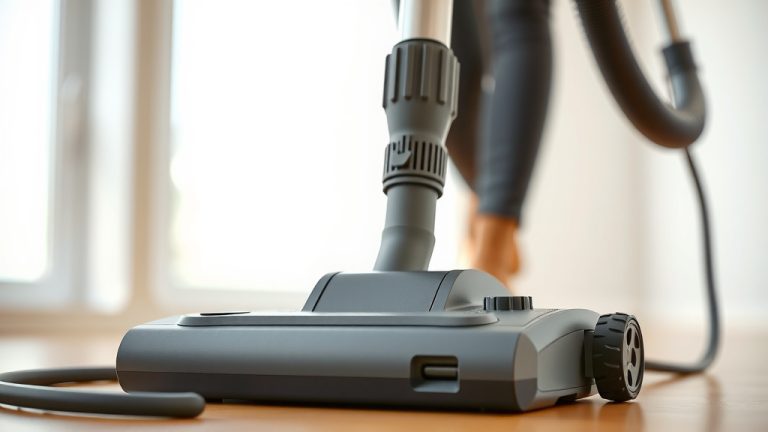
Can You Use A Vacuum Cleaner On Artificial Grass?

Yes, you can use a vacuum cleaner on artificial grass, but you need to choose the right type and use it carefully to avoid damage.
Lightweight, cordless vacuums or wet/dry shop-vacs are generally suitable for picking up surface debris and pet hair without harming the synthetic fibers or disrupting the infill.
Here’s a quick rundown of what you need to know:
- You can vacuum artificial grass, but select your tool wisely.
- Avoid powerful upright vacuums with spinning brushes (beater bars).
- Opt for cordless stick vacuums, wet/dry vacs, or leaf blower/vac combos.
- Gentle technique is key to prevent damage to fibers or infill.
- Vacuuming helps remove pet hair, dust, and small debris effectively.
Can You Use A Vacuum Cleaner On Artificial Grass?
Absolutely, you can use a vacuum cleaner on your artificial grass, but it’s not a “grab any vacuum” situation. Think of it like washing a delicate silk shirt versus a pair of jeans; each needs a different touch.
Using the wrong vacuum or technique can quickly turn a good cleaning day into a headache, potentially flattening your beautiful turf or pulling out the crucial infill.
Why Even Consider Vacuuming Faux Grass?
You might wonder, why bother vacuuming something that isn’t carpet? Good question! Artificial grass, while low maintenance, isn’t maintenance-free.
It collects things. We found that it often gathers pet hair, dust, pollen, and tiny bits of leaves and dirt (CDC). These aren’t just unsightly; they can impact drainage and turf longevity.
Vacuuming offers a quick and efficient way to remove these surface nuisances, helping your lawn stay clean and inviting.
The Hidden Dangers of Vacuuming Artificial Turf
While vacuuming can be helpful, it’s not without risks. Many experts say that powerful suction or aggressive brush rolls can cause serious issues.
Strong suction can lift and remove the infill, which is that sand-like material that helps the blades stand up. Aggressive beater bars can actually fray or flatten the synthetic fibers, leading to a worn-out look long before its time.
It’s all about balancing cleanliness with preservation. You want to clean, not destroy.
What Kind of Vacuum Cleaner is Best for Artificial Grass?
Choosing the right vacuum is your first and most important step. You want something effective but gentle.
Think of it like choosing the right brush for your hair; you wouldn’t use a wire brush on fine strands.
Cordless Stick Vacuums
These are often a fantastic choice. They are lightweight and typically have adjustable suction settings.
The key here is to **turn off any brush roll feature** if it has one. You’re looking for suction power, not scrubbing action. We found these great for quick clean-ups of leaves, light debris, and pet hair.
Wet/Dry Vacuums (Shop-Vacs)
For more substantial jobs, or when your grass gets truly dirty, a wet/dry vacuum is a powerful ally.
They offer strong suction and can handle both wet and dry messes. Just remember to use the hose attachment and keep the suction head hovering slightly, rather than dragging it aggressively.
Leaf Blower/Vacuum Combos
Many leaf blowers also have a vacuum setting. These are particularly good for larger areas.
You can blow debris into a pile, then switch to vacuum mode to suck it up. This method is generally safe as it relies on air movement rather than direct contact with aggressive brushes.
Vacuums to Absolutely Avoid on Your Artificial Lawn
Just as there are good choices, there are definitely bad ones. Steering clear of these can save you a lot of grief.
Upright Vacuums with Beater Bars
This is the big no-no. Most standard upright vacuums have a rotating brush (beater bar) that is designed to agitate carpet fibers.
On artificial grass, this brush will aggressively pull and fray the synthetic blades, and it will also scatter your infill everywhere. This can cause **irreversible damage to your turf**.
Robotic Vacuums
While convenient for indoor floors, robotic vacuums are not suited for artificial grass. They are typically too light to handle outdoor debris effectively.
Their small brushes are not designed for turf, and they can easily get stuck or struggle with the texture of the artificial blades. Plus, you wouldn’t want it running off with your infill!
Step-by-Step: How to Safely Vacuum Artificial Grass
Ready to vacuum? Great! Let’s walk through the process to ensure you do it right. You want a clean lawn, not a ruined one.
Here’s a simple checklist:
- First, remove any large items by hand. Think sticks, big leaves, or toys.
- Check your vacuum: ensure the brush roll is off or use a hose attachment.
- Adjust suction: start with a lower setting if possible, then increase if needed.
- Work in small sections, moving the vacuum slowly and deliberately.
- Vacuum against the grain of the fibers to help them stand up.
- Empty the vacuum frequently to maintain optimal suction.
Beyond the Vacuum: Other Cleaning Methods
Sometimes, a vacuum isn’t the only answer, or perhaps not even the best. Having a few other tricks up your sleeve helps keep your artificial grass looking its best.
Brushing and Raking
For general maintenance and to fluff up flattened fibers, a stiff-bristled broom or a specialized artificial grass rake is invaluable.
Research often connects regular brushing with maintaining the aesthetic appeal and drainage of turf (Turfgrass Science). Brush against the grain to help those blades stand tall.
Leaf Blowers
For quick removal of leaves and light debris, a leaf blower is highly effective. It’s fast, contact-free, and won’t harm your grass or infill.
You can just blow everything to one end of the lawn and then collect it. Simple, efficient, and very gentle.
Hosing Down Your Turf
For dust, dirt, or pet urine, a good rinse with a garden hose works wonders. Many guidelines point to rinsing as a good first step for general cleanliness (Artificial Grass Council).
It’s important to allow the water to drain properly, which quality artificial grass is designed to do.
Here’s a quick comparison of popular cleaning methods:
| Method | Pros | Cons |
|---|---|---|
| Vacuum Cleaner (Proper Type) | Effective for pet hair, small debris; quick clean. | Risk of infill loss or fiber damage if wrong type used. |
| Stiff Bristle Broom/Rake | Fluffs fibers, removes light debris; very gentle. | Can be physically demanding for large areas. |
| Leaf Blower | Fast for large debris; no contact with turf. | Doesn’t remove embedded dirt; can be noisy. |
| Garden Hose Rinse | Removes dust, dirt, pet odors; rejuvenates grass. | Requires proper drainage; may need scrubbing for tough spots. |
Keeping Your Artificial Grass Looking Pristine
Ultimately, your artificial grass is an investment in beauty and convenience. Regular, gentle care ensures it stays vibrant and inviting for years to come.
A little bit of consistent effort goes a long way. Think of it as polishing a prized possession; a quick clean now saves a bigger job later.
Conclusion
Using a vacuum cleaner on artificial grass is definitely an option, especially for tackling pet hair, dust, and small debris. The key is choosing the right tool and using a gentle approach. Stick with cordless models with the brush roll off, or opt for a wet/dry vac or leaf blower/vacuum combo.
Always avoid powerful upright vacuums with aggressive beater bars, as these can cause irreparable damage. By combining vacuuming with other methods like brushing, raking, and hosing down, you can keep your artificial lawn looking fantastic and fresh, allowing you to enjoy your perfect green space with minimal fuss.
Can I use a regular household vacuum on artificial turf?
No, you should avoid using a regular household upright vacuum, especially those with a spinning brush roll (beater bar). These are too aggressive and can damage the artificial grass fibers and displace the infill material.
How often should I vacuum my artificial grass?
The frequency depends on usage and environmental factors. For high-traffic areas or homes with pets, once a week or every two weeks might be beneficial. For lighter use, a monthly vacuuming might be sufficient to keep it looking tidy.
Will vacuuming remove the infill from my artificial grass?
If you use a vacuum with very strong suction or an improper technique, it can remove some of the infill. That’s why it’s important to use vacuums with adjustable suction, or those designed for wet/dry use, and to move them gently over the surface.
What’s the best way to remove pet hair from artificial grass?
A cordless stick vacuum with the brush roll turned off, or a wet/dry vac with a hose attachment, works well for pet hair. Alternatively, a stiff-bristled broom or an artificial grass rake can effectively gather pet hair without any risk to the turf.
Is it better to use a leaf blower or a vacuum cleaner on artificial grass?
For larger debris like leaves, a leaf blower is often more efficient and safer as it doesn’t make direct contact. For finer debris, dust, or pet hair, a proper vacuum cleaner is typically more effective. Many people use a combination, blowing large debris away first, then vacuuming the smaller remnants.