Top 7 Best Upright Vacuum For Seniors
The best upright vacuums for seniors are those that offer a lightweight design, easy maneuverability, and powerful suction without being cumbersome, such as the Bissell CleanView Swivel Pet 2252 for…

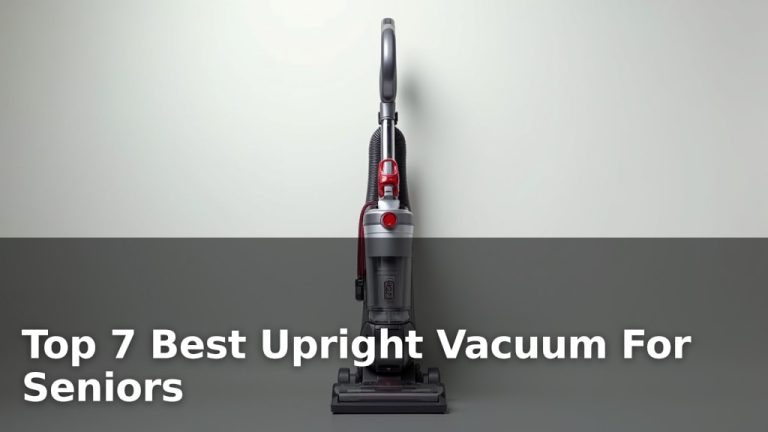
The best upright vacuums for seniors are those that offer a lightweight design, easy maneuverability, and powerful suction without being cumbersome, such as the Bissell CleanView Swivel Pet 2252 for…
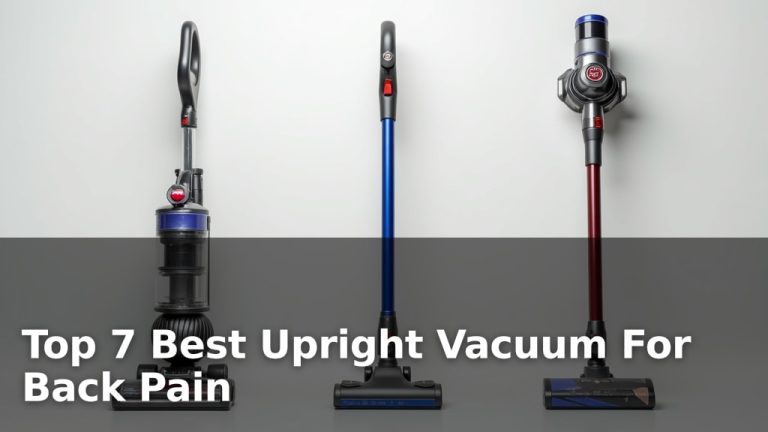
The best upright vacuums for back pain are those that prioritize lightweight designs, swivel steering, and easy maneuverability, with top contenders including the Bissell CleanView Swivel Pet 2252, Shark Navigator…
The cost to repair a vacuum cleaner typically ranges from $40 to $150. This price can vary greatly depending on the type of vacuum and the specific issue. Simple fixes,…
A shop vac can cost anywhere from $40 to over $600, depending on its size, power, and features. Most homeowners will find a great option in the $80 to $200…
Your vacuum battery is draining fast because its battery life naturally decreases over time, or there’s an issue with the charger, the vacuum itself, or the way you’re using it….
No, you generally should not vacuum water spills with a regular vacuum cleaner. Doing so can be extremely dangerous and cause serious damage. Most household vacuums are not designed to…
The best upright vacuums for heavy-duty cleaning combine powerful suction with durable construction, and top contenders include the Oreck Commercial XL Upright Vacuum for its commercial-grade performance, the Sanitaire Force…
The best upright vacuums for large homes are those that offer a blend of powerful suction, durable construction, and user-friendly features suitable for extensive cleaning tasks, such as the Shark…
Your robot vacuum is likely not connecting to WiFi because of a poor signal, an incorrect password, or a router issue. Many robot vacuums need a strong, stable 2.4 GHz…
Your robot vacuum isn’t connecting to WiFi often because of a weak signal, incorrect network settings, or temporary glitches. We found that most connection issues are easy to fix with…