
What Is the Best Vacuum for the Money?
The best vacuum for the money often comes down to your specific needs and budget. We found many cleaners offer great value without breaking the bank for typical homes. You don’t always need the most expensive model to get a clean house.
Everyone wants a clean home, but who wants to pay too much? Finding a vacuum that cleans well and fits your budget can be tricky. We looked at many options to see which ones give you the biggest bang for your buck.
TL;DR:
- The best vacuum for you depends on your home and budget.
- There are great, affordable vacuums out there.
- Features matter more than price in some cases.
- Consider your floor types and common messes.
Ready to find your perfect cleaning companion? We’ll help you figure out exactly what to look for.
Finding the Best Vacuum for Your Money
The “best” vacuum for your money isn’t a one-size-fits-all answer. It’s about finding the right balance between cost, performance, and features that fit your home. We looked at what makes a vacuum a great deal without sacrificing cleaning power.
Understanding Your Vacuum Needs
Before you even think about models or prices, consider your specific cleaning challenges. What kind of floors do you have? Carpets, hardwood, or a mix? Do you have pets? These questions will guide your choices.
What Types of Floors Do You Have?
Different vacuums excel on different surfaces. A vacuum that’s great for thick carpet might struggle on delicate hardwood. Conversely, a hard floor specialist could get tangled up in shag.
- Hardwood and Tile: Look for soft brush rolls to prevent scratches. Strong suction for picking up debris is key.
- Low-Pile Carpet: Attachments with spinning brushes can help agitate dirt. Adjustable suction power is a plus.
- High-Pile Carpet: Power-driven brush rolls are a must. You’ll need good suction and possibly a height adjustment feature.
Do You Have Pets or Allergies?
Pet hair and dander are big challenges. If Puss or Fido are part of your family, you’ll need specific features. Allergies also demand extra filtration.
- Pet Hair: Look for vacuums designed for pet hair. They often have stronger suction and specialized tools.
- Allergies: A HEPA filter is essential for trapping tiny particles. This helps keep allergens out of the air you breathe (Environmental Protection Agency).
Key Features That Deliver Value
You don’t need every fancy bell and whistle. But some features truly make a difference in performance and convenience. We focused on what gives you the most cleaning power for your dollar.
Suction Power and Airflow
Strong suction is the heart of any good vacuum. It pulls dirt up from surfaces. Airflow matters too; it’s about how much air the vacuum moves per minute.
A good balance of both means your vacuum can lift heavy debris and fine dust. Cheap vacuums often skimp here, leading to frustration and re-cleaning.
Filtration System
A vacuum’s filter system keeps dust and allergens inside the machine. This is vital for air quality, especially if you have allergies or pets.
HEPA filters are the gold standard. They capture 99.97% of airborne particles 0.3 microns in size (Department of Energy). This means cleaner air for your home.
Brush Roll Technology
The brush roll is what agitates dirt from carpets. For hard floors, you might want a gentler or switchable option. Some vacuums let you turn off the brush roll.
Self-cleaning brush rolls are a bonus feature. They help prevent hair from getting tangled, saving you time and effort.
Types of Vacuums and Their Value
There are several main types of vacuums, each with strengths and weaknesses. Knowing these helps you pick the right tool for the job.
Upright Vacuums
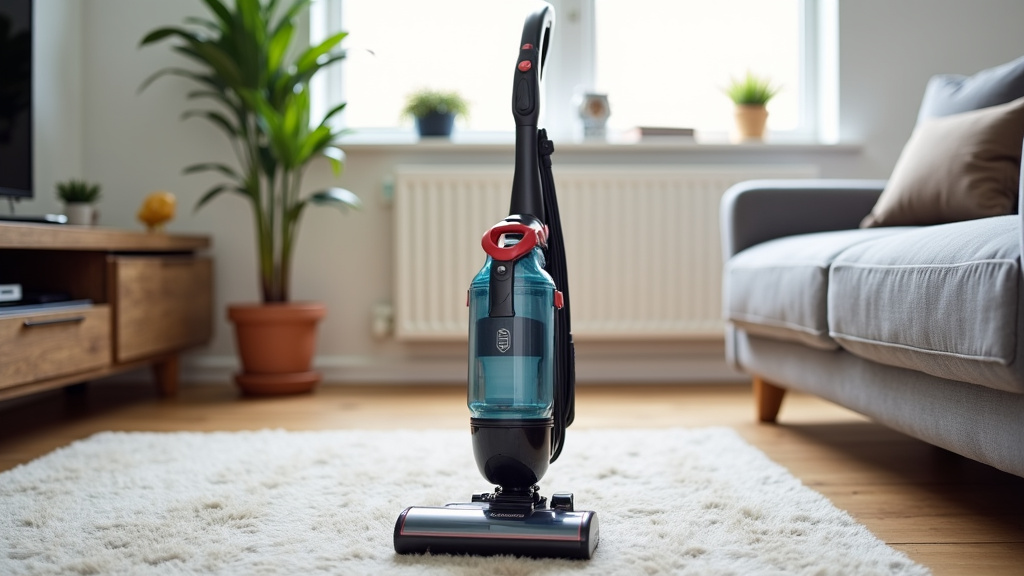
Uprights are classic for a reason. They’re often powerful and great for carpets. They cover large areas quickly. Many come with attachments for above-floor cleaning.
We found many upright models offer fantastic value for homes with mostly carpet or mixed flooring. They tend to be durable and simple to use.
Canister Vacuums
Canister vacuums separate the motor from the cleaning head. This makes them versatile and nimble. They’re excellent for hard floors, stairs, and delicate surfaces.
They might cost a bit more than basic uprights up front. But their versatility and cleaning prowess often make them a smart long-term investment. They reach places uprights can’t.
Stick Vacuums
Stick vacuums are lightweight and cord-free. They are perfect for quick clean-ups and small spaces. They store easily and are convenient.
Some stick vacuums are powerful enough to be a primary cleaner for smaller homes. We found that battery life and suction can vary greatly. Check reviews carefully for these models.
Robot Vacuums
Robot vacuums offer ultimate convenience. They clean on their own, on a schedule. This saves you time and effort.
While some high-end robots are pricey, many affordable options exist. They are best for maintaining cleanliness between deeper cleans. For daily touch-ups, they offer great value.
Here’s a quick comparison of average cost vs. typical use:
| Vacuum Type | Average Cost Range | Best Use Case | Pros of Value |
|---|---|---|---|
| Upright | $100 – $350 | Mostly carpets, large areas | Strong suction, wide path |
| Canister | $150 – $500 | Mixed surfaces, stairs, versatility | Maneuverable, good for hard floors |
| Stick | $100 – $400 | Quick clean-ups, small homes | Lightweight, convenient, cordless |
| Robot | $150 – $600 | Maintenance, daily tidying | Automated, hands-free cleaning |
Budget Vs. Long-Term Value
It’s tempting to grab the cheapest option. But buying a slightly more expensive vacuum that lasts longer and cleans better often saves money over time.
Consider the cost of filters and bags if applicable. Also, how much will you value not having to re-clean areas? Durability and performance are key to long-term satisfaction.
Don’t Forget About Maintenance
Even the best vacuum needs a little love. Regular maintenance extends its life. This means cleaning filters, clearing blockages, and checking the brush roll.
A vacuum that’s easy to maintain will serve you better. We found many frustration-free models even at lower price points.
Your Personal Checklist for Value Vacuums
To summarize, here’s a quick checklist to help you find the best vacuum for your budget. Keeping these points in mind will guide your shopping.
- Floor Types: Does it match your home’s surfaces?
- Pet Needs: Can it handle hair and dander if you have pets?
- Filtration: Does it have a good filter, especially HEPA?
- Attachments: Does it come with useful tools for your cleaning tasks?
- Weight & Maneuverability: Is it comfortable for you to use?
- User Reviews: What do real users say about its value and durability?
Remember, the goal isn’t just a low price. It’s about getting a vacuum that does its job well, fits your life, and won’t need replacing next year. Sometimes paying a little more upfront saves you a lot of headaches later. We hope this guide helps you confidently choose your next cleaning machine!
Conclusion
Choosing the best vacuum for your money doesn’t have to be overwhelming. You’ve seen that understanding your home’s unique needs, like floor types and pets, is your first step. By focusing on essential features like **suction, filtration, and brush rolls**, you can avoid overspending on unnecessary extras. We encourage you to use our checklist to confidently find a vacuum that genuinely delivers value, lasting performance, and a cleaner home for years to come.
Now, take your new knowledge and confidently pick a vacuum that works hard for your money!
Frequently Asked Questions
Is it better to buy a cheap vacuum often or an expensive one once?
Generally, investing in a slightly more expensive, quality vacuum is better in the long run. Cheaper models often wear out faster, clean less effectively, and require frequent replacement. A durable vacuum, even at a higher initial cost, usually offers superior performance and saves you money and hassle over time.
What’s the most important feature for a vacuum used in a home with pets?
For homes with pets, the most important features are strong suction power and a specialized brush roll designed for pet hair. A good HEPA filtration system is also crucial to capture pet dander and allergens, improving your indoor air quality.
Can a stick vacuum truly replace an upright or canister vacuum?
For small homes or apartments with mostly hard floors, a powerful stick vacuum can sometimes serve as a primary cleaner. However, for larger homes, deep carpet cleaning, or homes with heavy foot traffic, an upright or canister vacuum typically offers more robust cleaning power and capacity.
How can I make my vacuum last longer?
Regular maintenance is key to extending your vacuum’s lifespan. This includes emptying the dustbin or changing bags frequently, cleaning or replacing filters as recommended, and clearing any clogs or tangled hair from the brush roll. Many vacuums also benefit from periodic checks to ensure hoses and attachments are secure.
Should I prioritize warranty over brand name when buying a vacuum?
Both are important, but a good warranty can provide more tangible protection for your investment. A reputable brand often comes with better quality and support, but a strong warranty backs up the manufacturer’s confidence in their product. Always check the warranty details before making a purchase.
