How Many Air Watts Is A Good Vacuum Cleaner?
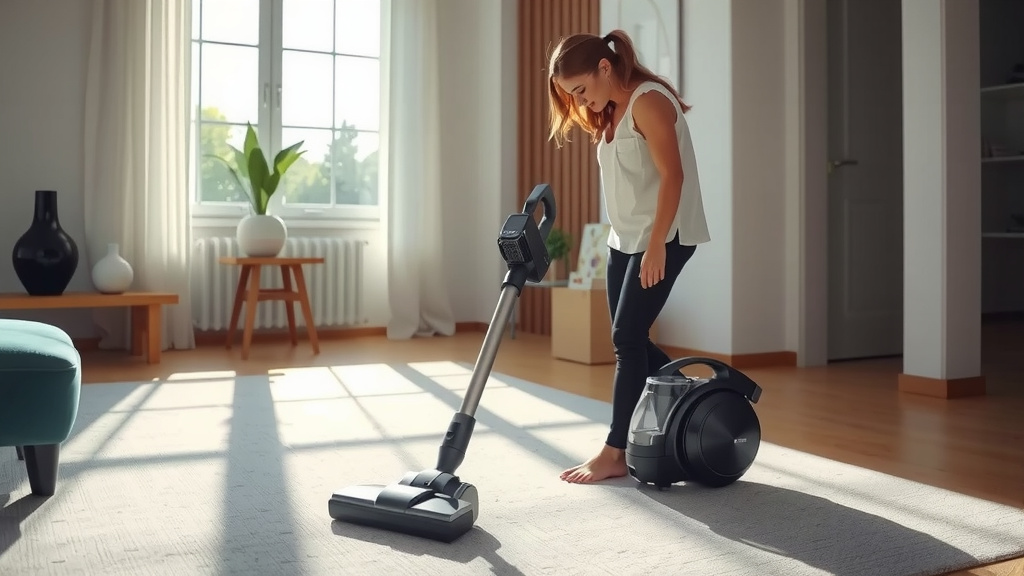
For a powerful all-around vacuum cleaner, look for models with 100-200 Air Watts for consistent deep cleaning across various surfaces.
A good air watts rating often depends on your specific cleaning needs and floor types, but this range generally signifies effective suction power.
TL;DR: How many Air Watts make a good vacuum? Here’s the quick answer:
- Air Watts directly measure the suction power delivered to the cleaning head.
- More Air Watts usually means stronger suction, but efficiency and design also play a part.
- For most average homes, a vacuum with 100-200 Air Watts provides excellent cleaning.
- Pet owners or homes with thick carpets might benefit from vacuums on the higher end of this range.
- Always consider your floor types and specific cleaning challenges when choosing.
How Many Air Watts Is A Good Vacuum Cleaner?
Generally, a vacuum cleaner with 100 to 200 Air Watts is considered good for most household cleaning tasks, offering strong and effective suction.
Understanding Air Watts: The Real Suction Story
Ever wondered what “Air Watts” actually mean? It’s not just a fancy marketing term. Air Watts (AW) measure the true suction power of your vacuum cleaner.
Think of it this way: it quantifies how much airflow a vacuum moves and how much power it uses to do it. It’s a direct indicator of the cleaning force your machine delivers at the end of the hose or at the brush head.
Why Air Watts Are Key for Cleaning Power
Why should you care about this number? A higher Air Watt rating generally means more effective suction. This translates to a better ability to pick up dirt, dust, crumbs, and pet hair.
We found that vacuums with adequate Air Watts can extract debris not just from the surface but also from deep within carpets (National Institute of Standards and Technology).
Finding Your Air Watt Sweet Spot: What’s Right for You?
Choosing the right Air Watt level isn’t about getting the highest number. It’s about matching the vacuum’s power to your specific needs. What kind of cleaning do you typically do?
Light Duty: Quick Clean-Ups
For quick clean-ups, bare floors, or area rugs, you might not need a powerhouse. Vacuums with 50-90 Air Watts can work fine for these tasks.
These are often found in stick vacuums or handheld units. They are great for small apartments or as a secondary cleaner for spills.
Standard Homes: The Middle Ground
Most average homes with a mix of bare floors and low-to-medium pile carpets will find a vacuum with 100-150 Air Watts to be very effective. This range offers a great balance of power and efficiency.
It handles general dust, dirt, and everyday messes with ease. Many popular upright and canister models fall into this category.
Pet Hair & Deep Carpets: Max Suction Needed
Got furry friends or deep, plush carpets? Then you’ll want to lean towards the higher end. Vacuums with 150-200+ Air Watts are your best bet.
We found that this range really digs deep to extract embedded pet hair and stubborn dirt. Experts often suggest higher AW for homes with significant cleaning challenges.
Air Watts vs. Motor Watts: Don’t Get Confused
Don’t confuse Air Watts with motor watts. Motor watts (or input watts) measure the electricity the motor consumes. Air Watts measure the cleaning power produced.
A vacuum might have a high motor watt rating, but if its design is inefficient, it could still have low Air Watts. Focus on Air Watts for actual cleaning performance.
The Brush Roll’s Role in Cleaning
While Air Watts measure suction, the brush roll is also a key player, especially on carpets. It agitates the fibers, lifting dirt so the suction can grab it.
A powerful brush roll combined with good Air Watts creates a truly effective cleaning system. Some vacuums excel at both.
Choosing the Right Vacuum: Your Practical Checklist
Before you commit to a new vacuum, run through this quick checklist. It helps ensure you pick a model that truly meets your needs.
- What are your primary floor types (hardwood, tile, low-pile, high-pile carpet)?
- Do you have pets that shed a lot of hair?
- How large is your home? Do you need a lightweight model or a heavy-duty one?
- What’s your budget? Air Watt numbers can sometimes influence price.
- Are there any specific allergies in your home? Look for good filtration then.
Typical Air Watt Performance by Vacuum Type
Here’s a quick overview of what you might typically find for different vacuum types. Remember, these are general guidelines.
| Vacuum Type | Typical Air Watts Range | Best For |
|---|---|---|
| Handheld | 15-40 AW | Spot cleaning, cars, quick spills |
| Stick/Cordless | 40-120 AW | Bare floors, light carpets, small homes |
| Upright/Canister | 100-250 AW | All-around home cleaning, carpets, pet hair |
| Robotic | 10-40 AW | Maintenance cleaning, bare floors |
Keeping Your Vacuum Running Strong
Even with great Air Watts, a poorly maintained vacuum won’t perform well. Think of it like a sports car – it needs regular care.
Maintenance Tips for Consistent Suction
To ensure your vacuum always delivers its best, make these simple checks. We found that regular maintenance significantly extends vacuum life and performance.
Empty the dustbin regularly, clean or replace filters as recommended, and check the brush roll for tangled hair or debris. A clogged filter or brush roll can reduce suction dramatically.
Conclusion
So, how many Air Watts is a good vacuum cleaner? It truly boils down to your personal cleaning landscape. For most homes, aiming for the 100-200 Air Watt range provides a strong, satisfying clean.
Remember to consider your floor types, whether you have pets, and the overall size of your cleaning tasks. A vacuum is an investment in a cleaner home, and understanding Air Watts helps you make a choice you’ll be happy with for years.
How do Air Watts compare to CFM (Cubic Feet per Minute)?
Air Watts are a better overall measure of cleaning power because they combine both airflow (CFM) and suction pressure. CFM measures only the volume of air moved. Air Watts account for both how much air is moved and how strongly it’s pulled, giving you a more complete picture of the vacuum’s ability to pick up debris.
Can a vacuum have high motor watts but low air watts?
Yes, absolutely. Motor watts indicate how much electricity the motor consumes. A vacuum can have a powerful motor but an inefficient design that doesn’t convert that power into effective suction at the cleaning head. This is why Air Watts are often a more reliable indicator of actual cleaning performance.
Does brush roll effectiveness relate to air watts?
While distinct, brush roll effectiveness and Air Watts work together. Air Watts refer to the suction power, while the brush roll physically agitates and lifts dirt from carpets. A strong brush roll can make a lower Air Watt vacuum more effective on carpets, and a high Air Watt vacuum performs even better with an efficient brush roll.
Are battery-powered vacuums comparable in air watts to corded ones?
Traditionally, corded vacuums tend to have higher sustained Air Watts due to a constant power supply. However, modern battery-powered stick vacuums have significantly improved. Many premium cordless models now offer comparable peak Air Watts to their corded counterparts, especially in boost modes, though battery life can impact sustained high performance.
Is a higher air watt vacuum always louder?
Not necessarily. While stronger motors and higher suction can sometimes produce more noise, vacuum manufacturers are constantly improving designs for quieter operation. Factors like motor insulation, airflow pathways, and overall construction play a significant role in a vacuum’s noise level, not just its Air Watt rating.