Can You Replace A Vacuum Cleaner Cord?

Yes, you can often replace a vacuum cleaner cord, but it depends on your comfort with electrical work and the specific vacuum model.
Replacing a vacuum cleaner cord can be a practical DIY project if you follow strict safety guidelines and have basic tools.
- You can replace a damaged vacuum cleaner cord yourself, but always prioritize safety.
- Unplug your vacuum immediately if you notice any cord damage like fraying or exposed wires.
- The decision to DIY or hire a professional often comes down to your skill level and the vacuum’s value.
- Always match the new cord’s specifications (gauge, length, and plug type) to your original for safety and performance.
- Proper cord care extends its lifespan and prevents future issues.
Can You Replace A Vacuum Cleaner Cord?
Yes, replacing a vacuum cleaner cord is often possible and a common repair for many models. It can save you from buying a whole new appliance.
Why Your Vacuum Cord Might Need a New Lease on Life
Your vacuum cleaner cord works hard, getting dragged around corners and sometimes even stepped on. Over time, this wear and tear can take its toll.
A damaged cord can be more than just an annoyance; it can pose a real safety risk. We understand wanting to fix something you rely on.
Common Cord Problems to Watch For
- Frayed Insulation: You might see exposed wires where the outer layer has worn away.
- Kinks and Bends: Repeated sharp bends can break wires inside, even if the outer layer looks fine.
- Loose Connections: Sometimes, the cord pulls free from the vacuum’s body, causing intermittent power.
- Overheating: A damaged cord might feel warm to the touch, indicating internal resistance.
- Cuts or Nicks: Accidental contact with sharp objects can compromise the cord’s integrity.
Safety First: Your Number One Priority
Before you even think about touching a damaged vacuum cord, safety is paramount. We cannot stress this enough when dealing with electricity.
Ignoring safety precautions could lead to electric shock or even fire. Always treat electrical repairs with the utmost respect (Consumer Product Safety Commission).
Essential Safety Steps Before You Begin
- Unplug Completely: Always, always disconnect the vacuum from the wall outlet. This is the first and most vital step.
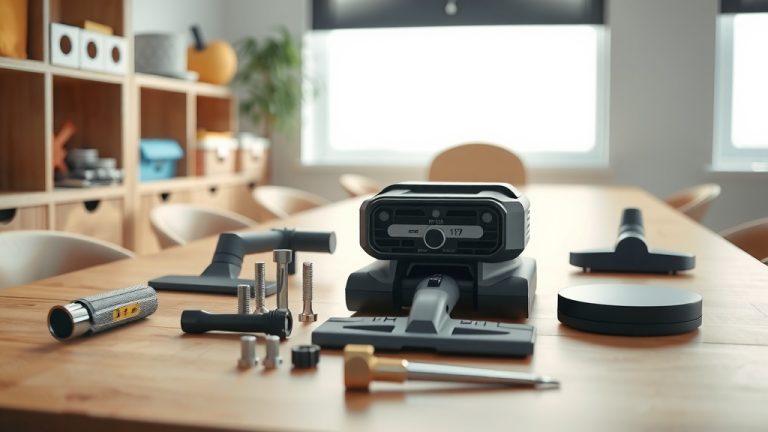
- Gather Your Tools: Have insulated screwdrivers, wire strippers, and a multimeter ready.
- Work in a Dry Area: Never attempt electrical repairs in wet or damp conditions.
- Wear Protective Gear: Safety glasses can guard against unexpected sparks or debris.
- Follow Instructions: If you find a repair manual for your specific vacuum, follow it closely.
- Know Your Limits: If you feel uncertain at any point, stop and call a professional.
DIY or Call a Pro? Making the Right Choice
Deciding whether to tackle a cord replacement yourself or hire a professional is a personal choice. It depends on your comfort level and tool access.
Many experts say a little research helps you weigh the benefits against the potential challenges for your situation.
When DIY Makes Sense
If you have basic electrical repair experience, the right tools, and a bit of patience, a DIY cord replacement can be rewarding. It can also save you money.
We found that simple cord replacements, where the cord connects easily to terminals, are often achievable for handy individuals.
When to Always Call a Professional
If your vacuum is under warranty, a professional repair might be necessary to keep it valid. Complex internal wiring also warrants expert help.
When in doubt, or if you encounter wiring that looks unfamiliar, calling a certified technician is the safest option. Your safety is worth the investment.
DIY vs. Professional Repair: A Quick Comparison
| Feature | DIY Replacement | Professional Repair |
|---|---|---|
| Cost | Typically lower (parts only) | Higher (parts + labor) |
| Time | Immediate, at your pace | Dependent on shop availability |
| Skill Level | Basic electrical knowledge required | Expertise guaranteed |
| Warranty Impact | May void existing warranty | Maintains warranty (if authorized) |
| Risk Factor | Higher if inexperienced | Minimal (professional responsibility) |
Gathering Your Gear: What You’ll Need
Once you’ve decided to proceed with a DIY replacement, gathering the correct tools and parts is the next step. Being prepared makes the job smoother.
You wouldn’t start a baking project without all your ingredients, right? The same logic applies to electrical repairs.
Finding the Correct Replacement Cord
This is not a “one size fits all” situation. Your vacuum needs a cord that matches its original specifications for safety and performance.
We found that checking your vacuum’s user manual or manufacturer’s website is the best place to start when looking for compatible parts.
Matching Cord Specifications
Look for the same gauge (thickness) and length as your original cord. The plug type must also be identical to fit your outlets correctly.
Using an incorrect cord can cause overheating or poor power delivery, potentially damaging your vacuum or creating a hazard.
A Simplified Look at the Replacement Process
While we can’t provide exact steps for every vacuum model, here’s a general overview of what a cord replacement might involve. Always consult your specific model’s instructions.
Think of this as a roadmap, but remember to pay attention to the unique “traffic signs” of your particular vacuum.
Step 1: Disconnect and Disassemble
After unplugging, you’ll need to open up your vacuum cleaner. This usually involves removing screws from the motor housing or handle base.
Take pictures as you go. This can be a real lifesaver when it comes time to put everything back together correctly.
Step 2: Wiring Basics – A Quick Overview
Inside, you’ll see where the cord’s wires connect. Typically, there are two (or three, if grounded) wires: live, neutral, and sometimes ground.
Carefully disconnect the old cord, noting which wire goes to which terminal. Many experts say labeling them can prevent confusion during reattachment.
Step 3: Reassembly and Testing
Attach the new cord’s wires to the correct terminals, ensuring a secure connection. Then, carefully reassemble the vacuum’s housing.
Before using, perform a quick visual check. Plug it in carefully, and test it in a clear area to ensure everything works properly and safely.
Cost Considerations: What to Expect
The cost of replacing a vacuum cleaner cord can vary. It’s often much less than buying a brand-new vacuum, especially for higher-end models.
Many people find that the financial savings make the DIY effort or professional repair worthwhile, particularly for durable vacuums.
Factors Affecting Replacement Costs
The price of a new cord itself can range from $15 to $40, depending on the brand and cord specifications. Professional labor can add another $50 to $100 or more.
Specialized vacuums, like certain commercial models, might have more expensive cords or require more complex, and thus costlier, professional repairs.
Keeping Your New Cord Healthy
Once you’ve successfully replaced your vacuum’s cord, you’ll want to ensure it lasts. A little care goes a long way in preventing future damage.
Just like a fresh coat of paint needs proper drying, your new cord benefits from mindful handling.
Tips for Cord Longevity
Avoid yanking the cord from the wall outlet; always pull from the plug itself. When storing, loosely wrap the cord instead of tightly coiling it.
Keep the cord away from hot surfaces, sharp furniture edges, and heavy objects that could crush or cut it. These simple habits truly make a difference.
Conclusion
Replacing a vacuum cleaner cord is a manageable project for many, offering a practical solution to a common problem. It’s a great way to extend the life of your appliance.
Always put safety first, whether you choose to DIY or seek professional help. With the right approach, your vacuum will be back to keeping your home spotless in no time.
Can I use any electrical cord for my vacuum?
No, you should not use just any electrical cord. Always match the new cord’s specifications (gauge, length, and plug type) to your vacuum’s original cord to prevent hazards like overheating or damage to the motor.
How long does a vacuum cleaner cord typically last?
A vacuum cleaner cord can last anywhere from 5 to 10 years or more with proper care. However, heavy use, frequent kinking, or accidental damage can significantly shorten its lifespan.
What are the signs of a failing vacuum cord?
Look for visible fraying, cuts, or exposed wires. Other signs include the vacuum intermittently losing power, sparks near the cord, or the cord feeling unusually warm during operation.
Is it cheaper to replace a cord or buy a new vacuum?
In most cases, replacing a damaged cord is significantly cheaper than buying a new vacuum, especially for mid-range to high-end models. Cord replacement parts are generally affordable, and labor costs are often less than a new appliance.
Do corded stick vacuums have replaceable cords?
Yes, many corded stick vacuums also have replaceable cords. The process might vary slightly depending on the design, with some having cords that are more integrated into the handle or motor housing. Always check the specific model’s manual.