
Can You Use a Carpet Cleaner on a Mattress?
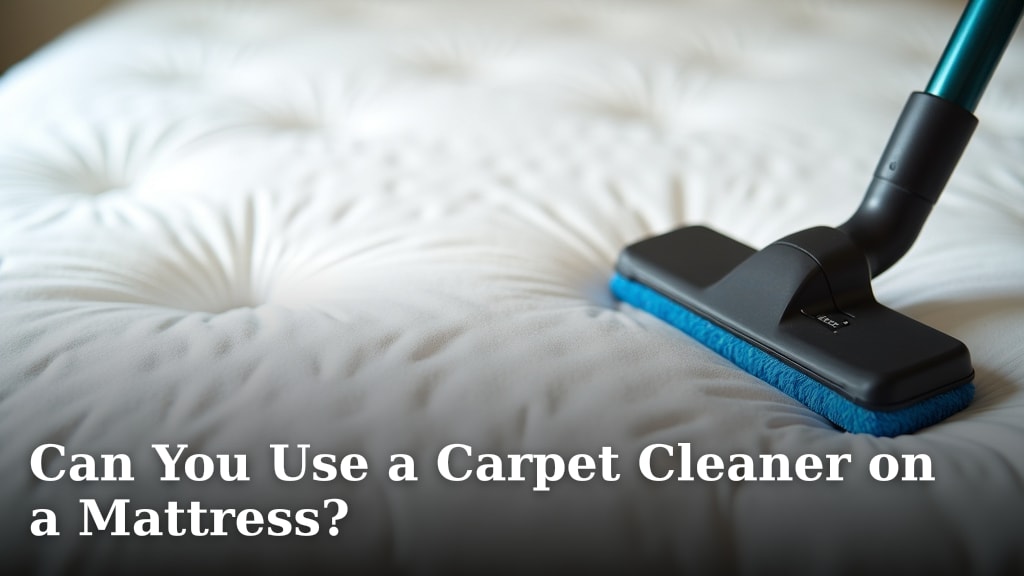
Yes, you can use a carpet cleaner on a mattress, but you must do so with extreme caution. While a carpet cleaner might seem like a quick fix for mattress stains, it’s easy to over-wet your mattress. This can lead to mold and mildew growth, which is far worse than the original stain.
Many carpet cleaning machines use a lot of water and can leave behind too much moisture. This is a problem because mattresses are thick and take a long time to dry. If not dried properly, the dampness can become a breeding ground for bacteria and allergens, impacting your sleep quality and health.
- Yes, you can use a carpet cleaner on a mattress.
- Be very careful not to over-wet the mattress.
- Excess moisture can cause mold and mildew.
- Always test in an inconspicuous spot first.
- Ensure the mattress dries completely afterward.
So, if you’re wondering about using that carpet cleaning machine on your bed, let’s talk about the best and safest ways to get it done.
Can You Safely Clean Your Mattress with a Carpet Cleaner?
You’re probably wondering if that powerful carpet cleaning machine can tackle your mattress woes. The short answer is yes, you can. However, it’s not a simple “set it and forget it” situation. Think of your mattress as a big, absorbent sponge. You need to be incredibly careful with how much water you use, or you could create a bigger problem than you started with.
Why Using a Carpet Cleaner on a Mattress Requires Care
Carpet cleaning machines are designed to deep clean carpets, which are typically laid on hard floors or subflooring. They use a fair amount of water and suction to lift dirt and grime. Your mattress, on the other hand, is made of soft, porous materials. It doesn’t have the benefit of a hard surface underneath to help it dry quickly. This is where the risk of over-wetting comes in.
The Dangers of Excess Moisture
When a mattress gets too wet, the moisture can get trapped deep inside. Unlike a carpet that might dry in a few hours, a mattress can take 24 hours or even longer to dry completely. This damp environment is a perfect breeding ground for things you really don’t want in your bed.
- Mold and Mildew Growth: This is the biggest concern. Mold and mildew thrive in dark, damp conditions. Once they start growing in your mattress, they can release spores into the air. This can lead to respiratory problems and allergic reactions, impacting your health.
- Bacteria Proliferation: Similar to mold, bacteria love moisture. Sweat, body oils, and spills create a welcoming environment for bacteria to multiply. This can result in unpleasant odors and potential health issues.
- Dust Mites: These tiny creatures feed on dead skin cells. Damp environments can encourage dust mite populations, which are a common allergen for many people.
- Mattress Damage: Excessive moisture can break down the internal materials of your mattress. This can lead to sagging, matting, and a generally degraded sleeping surface.
Why Standard Carpet Cleaning Solutions Might Be Too Harsh
The cleaning solutions designed for carpets can sometimes be too strong for mattress fabrics. Some are formulated with harsh chemicals that might irritate your skin or respiratory system when you sleep. Always check the label to ensure the cleaner is safe for upholstery. If it’s only meant for carpets, it’s best to avoid it on your mattress.
Assessing Your Mattress’s Condition Before Cleaning
Before you even think about pulling out the carpet cleaner, take a good look at your mattress. Is it just a small, recent stain, or is the whole thing looking a bit dingy? Your approach should depend on the severity of the problem.
When a Carpet Cleaner Might Be Okay
For specific, localized stains, a carpet cleaner can be used, but with extreme caution. Think of it like a targeted treatment rather than a full-scale deep clean. If you’re dealing with a spill that just happened or a stain that hasn’t set in for ages, a carpet cleaner might be able to lift it. However, you’ll need to use it sparingly and ensure you extract as much moisture as possible.
When to Reconsider Using a Carpet Cleaner
If your mattress has widespread discoloration, smells musty, or has old, set-in stains all over, a carpet cleaner might not be the best tool. Trying to clean an entire mattress with one can easily lead to over-saturation. In these cases, professional cleaning or even considering a new mattress might be a more practical solution. Trying to salvage a heavily soiled mattress with a carpet cleaner could do more harm than good and create a health hazard.
Preparing Your Mattress for Cleaning
Proper preparation is key to a successful and safe mattress cleaning. This step prevents unnecessary damage and makes the cleaning process more effective. It’s all about setting yourself up for success.
Gathering Your Supplies
You’ll need a few things before you start. Make sure you have your carpet cleaner (or a mattress-specific cleaner), clean towels, a fan, and possibly a dehumidifier. Having everything ready means you can work efficiently. You don’t want to be hunting for towels while your mattress is still wet.
The Importance of Vacuuming
Start by thoroughly vacuuming your mattress. Use the upholstery attachment on your vacuum cleaner. This will remove loose dirt, dust, and debris from the surface. It also helps to get rid of dust mites and other allergens. Think of it as clearing the runway before the main event. A clean surface means the cleaner can work directly on the stains.
Testing in an Inconspicuous Area
This is a non-negotiable step. Before you apply any cleaner to a visible area, test it on a small, hidden spot. This is often the underside of the mattress or a corner that doesn’t see much action. Apply a small amount of the cleaning solution and blot it with a clean cloth. Check for any discoloration or damage to the fabric after it dries. This simple step can save you from causing irreparable harm to your mattress.
How to Use a Carpet Cleaner on Your Mattress Safely
Now that you’re prepared, let’s talk about the actual cleaning process. Remember, the goal is to clean without drowning your mattress.
Less is More with Water and Solution
This is the golden rule. Use the absolute minimum amount of water and cleaning solution needed. Many carpet cleaners have different settings for different types of cleaning. Opt for the gentlest setting. If your machine allows you to adjust the water flow, turn it down as low as possible. You want to lightly mist the stained area, not soak it.
Targeted Application is Key
Don’t run the machine over the entire mattress like you would a carpet. Instead, focus on the specific stained areas. Apply the cleaning solution and then immediately use the suction function to extract as much liquid as possible. You are aiming to lift the stain, not saturate the mattress. Think of it as spot-treating.
Blot, Don’t Scrub
If you’re using a carpet cleaner with a hose attachment, use a gentle blotting motion. Avoid aggressive scrubbing, which can damage the mattress fibers and push the stain deeper. The machine’s suction should do most of the work. You’re there to guide it and control the moisture.
Rinsing the Area
After you’ve treated the stain, you might need to rinse the area with clean water to remove any detergent residue. Again, use water very sparingly. Apply a light mist of clean water and then immediately use the suction to remove it. Detergent residue can attract dirt and leave a sticky spot.
The Critical Step: Drying Your Mattress
This is arguably the most important part of the process. A mattress that doesn’t dry properly will quickly become a breeding ground for mold and mildew. You need to ensure it’s bone dry.
Maximize Airflow
Open windows to let in fresh air. Use fans to circulate the air around the mattress. The more air movement you have, the faster it will dry. Point fans directly at the damp areas if possible. Good ventilation is your best friend here.
Consider a Dehumidifier
If you live in a humid climate or it’s a damp day, a dehumidifier can be a lifesaver. It will actively pull moisture out of the air and help your mattress dry more quickly. This is especially helpful for thicker mattresses that take longer to dry.
Allow Ample Drying Time
Be patient. It can take up to 24-48 hours for a mattress to dry completely, especially if it’s gotten more than just slightly damp. Do not put your bedding back on or sleep on the mattress until you are absolutely sure it’s dry all the way through. You can check by pressing down on the mattress with a dry towel; if any moisture transfers, it’s not dry yet.
Alternatives to Using a Carpet Cleaner
While a carpet cleaner *can* be used, there are often simpler and safer alternatives for mattress cleaning. Have you considered these options?
Mattress-Specific Cleaners
Many companies offer cleaning sprays specifically designed for mattresses. These are usually milder and formulated to be safe for the fabrics and materials used in mattresses. They often come with instructions for spot treating stains.
Baking Soda and Vinegar
For odors and light stains, a mixture of baking soda and a diluted vinegar solution can be effective. Lightly spray the diluted vinegar onto the stain, let it sit for a few minutes, then blot with a clean cloth. Sprinkle baking soda over the entire mattress, let it sit for several hours (or overnight) to absorb odors, then vacuum it up thoroughly. This method is gentle and effective.
Professional Mattress Cleaning
If your mattress has significant stains or odors, or if you’re simply not comfortable using a carpet cleaner, consider hiring professional mattress cleaners. They have specialized equipment and knowledge to clean your mattress effectively without over-wetting it.
When to Call a Professional
If you have severe staining, water damage, or suspect mold growth, it’s best to call in the experts. They can assess the situation and determine the best course of action. Trying to fix major issues yourself could potentially worsen them.
Mattress Cleaning Checklist
Here’s a quick rundown of the essential steps for cleaning your mattress safely:
- Vacuum your mattress thoroughly first.
- Test your cleaning solution in a hidden spot.
- Use minimal water and cleaning solution.
- Target stains directly, don’t soak the mattress.
- Ensure excellent airflow for rapid drying.
- Wait until completely dry before using.
Conclusion
So, can you use a carpet cleaner on your mattress? Yes, but with serious caution. We’ve found that the biggest risk is over-wetting your mattress, which can lead to mold and mildew. Always remember to use minimal water and cleaning solution, focus on spot treating, and ensure your mattress dries completely. If in doubt, or if your mattress is heavily stained, consider safer alternatives like mattress-specific cleaners or professional cleaning. Prioritize a healthy sleep environment by cleaning smart.
Frequently Asked Questions
How long does a mattress take to dry after using a carpet cleaner?
After using a carpet cleaner, your mattress can take anywhere from 24 to 48 hours to dry completely. This depends heavily on how much moisture was used and the humidity in your home. It’s essential to ensure it’s fully dry before making your bed.
What kind of carpet cleaner solution should I use on a mattress?
Look for cleaning solutions that are specifically labeled as safe for upholstery. Standard carpet cleaning solutions might be too harsh for mattress fabrics. If you can’t find an upholstery-safe carpet cleaner, consider a mattress-specific cleaner or a gentle DIY option like diluted vinegar.
Can I use a carpet cleaner on memory foam mattresses?
Memory foam mattresses are especially sensitive to moisture. Using a carpet cleaner can be very risky as memory foam absorbs water easily and dries slowly. It’s generally recommended to avoid carpet cleaners on memory foam mattresses altogether and opt for gentler, surface-level cleaning methods.
How do I know if my mattress is dry enough after cleaning?
To check if your mattress is dry, press down firmly on different areas with a clean, dry towel. If any moisture transfers to the towel, it’s not dry yet. You should also feel no dampness to the touch and notice no musty smells.
What’s the safest way to remove mattress stains?
The safest ways to remove mattress stains involve minimal moisture. Spot-treat stains with a mattress-specific cleaner or a diluted solution of mild detergent and water. Always blot the stain rather than scrub, and use a clean cloth to absorb as much liquid as possible afterward. Ensure good ventilation to aid drying.
