
What Is LiDAR Navigation on a Robot Vacuum?
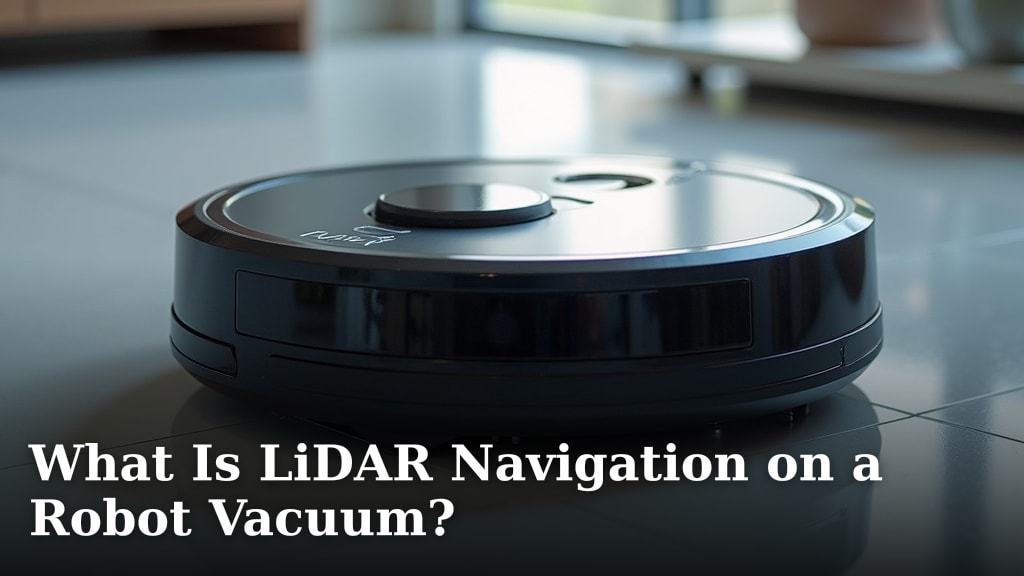
LiDAR navigation on a robot vacuum is a smart mapping technology that uses lasers to scan your home. It helps your robot vacuum create an accurate map of your floor plan. This allows it to clean more efficiently and avoid obstacles.
Think of it like a tiny sonar system for your robot. It precisely measures distances to walls and furniture. This means your vacuum knows exactly where it is and where it needs to go. Many high-end vacuums use this advanced navigation for better performance.
- LiDAR uses lasers to map your home.
- It helps vacuums clean smarter and faster.
- This technology creates a precise floor plan.
- Your robot vacuum knows where to go and what to avoid.
Ready to understand how this clever tech works and what it means for your clean floors? Let’s dive into the details of LiDAR navigation.
Understanding LiDAR for Your Robot Vacuum
So, what exactly is LiDAR navigation doing on your robot vacuum? Think of it as your vacuum’s high-tech eyes. It uses light and sensors to see your home. This allows it to build a detailed map. That map helps it clean your floors very effectively. Many newer robot vacuums rely on this smart system.
How LiDAR Creates Your Home’s Map
LiDAR stands for Light Detection and Ranging. It’s a sophisticated technology. Robot vacuums use it to measure distances. They do this by sending out tiny laser pulses. These pulses bounce off objects in your home. The vacuum then measures how long it takes for the pulse to return. This timing helps it calculate the exact distance to that object.
The Spinning Sensor: What You Might See
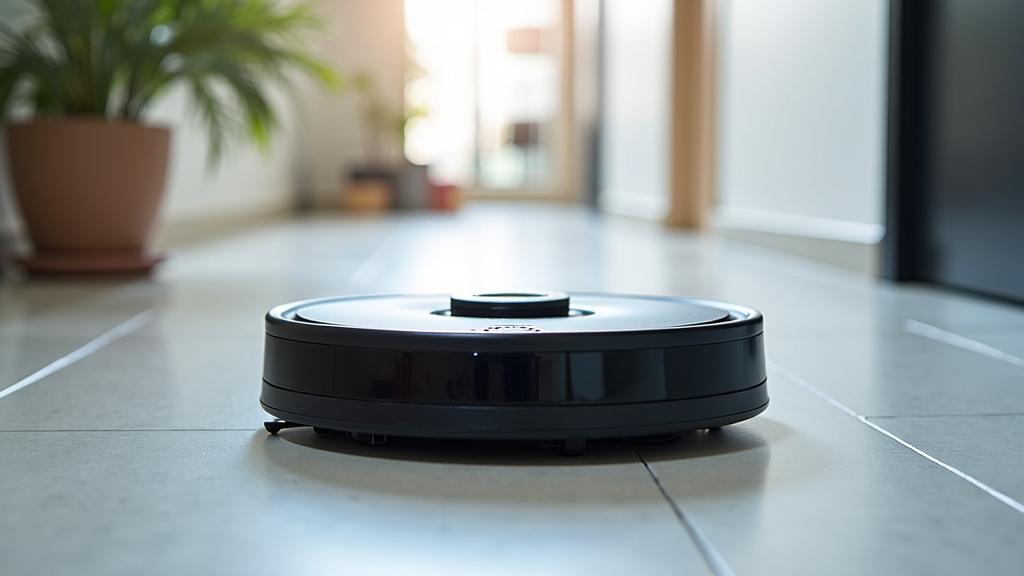
You might notice a round, spinning turret on top of some robot vacuums. This is often where the LiDAR sensor lives. As the robot moves, this turret spins rapidly. It scans 360 degrees around the vacuum. This constant scanning builds a comprehensive picture of its surroundings. It’s like a little lighthouse mapping everything nearby.
Accuracy is Key: Why Distance Matters
The precision of LiDAR is remarkable. It can measure distances with incredible accuracy. This means your robot vacuum knows precisely where it is. It understands the exact location of walls, furniture legs, and even small objects. This level of detail is vital for smart cleaning. It prevents the vacuum from bumping into things too hard.
LiDAR vs. Other Navigation Methods
You might wonder how LiDAR compares to other robot vacuum navigation. Some older or simpler models use random cleaning patterns. They just bounce around until the battery is low. Others use cameras or infrared sensors. These methods can work but often struggle in low light or with dark surfaces. LiDAR, on the other hand, is very consistent.
Random Bouncing vs. Smart Mapping
Vacuums with random navigation are like a pinball. They clean, but not in a planned way. This can lead to missed spots. It also means they might clean the same area multiple times. LiDAR vacuums create a precise map first. They then plan the most efficient cleaning path. This saves time and energy for both you and the vacuum.
Camera and Infrared: What’s Different?
Camera-based navigation (vSLAM) uses visual cues. It tries to identify objects and track its position. This can be effective, but it needs good lighting. Dark rooms or complex patterns can confuse cameras. Infrared sensors are good for detecting obstacles close by. However, they don’t build a full map of your entire home. LiDAR’s laser-based approach is less affected by lighting conditions. It consistently measures distance, regardless of the color or material of objects.
The Benefits of LiDAR Navigation for Your Home
Using a robot vacuum with LiDAR navigation offers many advantages. Your cleaning routine can become much simpler. You get more thorough cleaning results. Plus, your furniture and floors are better protected.
Efficient and Thorough Cleaning
Because LiDAR creates an accurate map, the vacuum cleans with purpose. It divides your home into zones. It then cleans each zone systematically. This ensures that every accessible area gets cleaned. You won’t find those frustrating missed spots. Research shows that systematic cleaning paths are much more effective than random ones.
Smart Path Planning
LiDAR allows for intelligent path planning. The vacuum knows the shape of each room. It knows where the furniture is. It can then calculate the shortest and most efficient route. This means it finishes cleaning faster. It also uses battery power more wisely. Think of it like a GPS for your robot. It always knows the best way to get from point A to point B.
Consistent Performance, Day or Night
One of the biggest wins for LiDAR is its reliability. Unlike camera systems, it doesn’t need light to work. Your robot can clean effectively even when it’s dark. You can schedule cleanings for any time. The vacuum will navigate just as well at 3 AM as it does at 3 PM. This consistent performance means you can rely on it.
Protecting Your Belongings and Your Floors
Bumping into furniture can be annoying. It can also damage your vacuum or your belongings. LiDAR’s precise mapping helps avoid this. Your robot knows the exact dimensions of obstacles. It can navigate around chair legs or table bases with care.
Gentle Obstacle Avoidance
When a LiDAR-equipped vacuum encounters an object, it doesn’t just hit it. It detects the object well in advance. It then plans a path to go around it. This gentle approach is better for your furniture. It’s also better for the vacuum itself. Many high-end models can even identify and avoid specific small objects, like cords or pet waste.
Keeping Your Robot Safe
Falls can happen, especially on stairs. LiDAR sensors, combined with other sensors, can help prevent this. The vacuum can detect drop-offs. It will steer clear of edges. This adds another layer of safety. It protects your robot from damage. It also prevents potential hazards in your home. LiDAR sensors, combined with other sensors, can help prevent falls down stairs by helping the vacuum detect drop-offs.
Advanced Features Enabled by LiDAR Mapping
The detailed map created by LiDAR opens up a world of smart features. These features give you more control over your cleaning. You can customize cleaning routines to fit your life.
Customizable Cleaning Zones
With a LiDAR map, you can often select specific rooms or areas for cleaning. Need just the kitchen cleaned today? No problem. Want to focus on the high-traffic living room? Easy. You can often set up “no-go zones” too. This tells the vacuum to avoid certain areas, like pet feeding stations or play areas.
Adjustable Suction Power
Some LiDAR vacuums can adjust their suction power automatically. They might increase suction on carpets for a deeper clean. They can then reduce it on hard floors to save battery. This intelligent adjustment is all thanks to the detailed map and sensor data.
Scheduling and Routines
The ability to schedule cleanings is a standard feature. But LiDAR makes it more powerful. You can set specific routines. For example, “clean the kitchen after dinner” or “vacuum the upstairs every weekday morning.” The vacuum uses its map to execute these tasks reliably.
What to Look for in a LiDAR Robot Vacuum
When you’re choosing a robot vacuum with LiDAR, keep a few things in mind. The core technology is great, but user experience matters too.
- Map Accuracy and Stability: Does the map hold up well after multiple cleans? Does it update correctly if furniture moves?
- App Features: How easy is it to use the app to set zones, no-go areas, and schedules?
- Obstacle Avoidance: How well does it handle common household obstacles?
- Battery Life and Auto-Recharge: Does it have enough battery to clean your home in one go? Does it return to charge and resume effectively?
- Suction Power and Cleaning Performance: Of course, how well does it actually pick up dirt and debris?
Conclusion
You’ve learned how LiDAR navigation is transforming robot vacuums. This advanced laser technology creates precise maps of your home. This means your vacuum cleans smarter, faster, and more thoroughly than ever before. It avoids obstacles with remarkable accuracy, protecting your belongings. You also gain powerful control with features like custom zones and scheduling.
Ready to experience a truly intelligent clean? Consider a LiDAR-equipped robot vacuum for your next upgrade. It’s a smart investment for a cleaner, more convenient home.
Frequently Asked Questions
Will a LiDAR robot vacuum work in a very dark house?
Yes, absolutely. LiDAR navigation uses lasers for distance measurement. It does not rely on visible light. This means your robot vacuum can map and clean effectively, even in complete darkness. You don’t need to leave lights on for it.
Can LiDAR navigation help my robot vacuum avoid pet accidents?
Many newer LiDAR robot vacuums feature advanced obstacle avoidance. They can often detect and steer clear of common household items like cords and pet waste. Always check the specific model’s capabilities. It’s a big step up from older navigation systems.
How often does my LiDAR robot vacuum need to remap my home?
Typically, your robot vacuum creates its initial map during its first few runs. It will usually update this map automatically if furniture is moved or major changes occur. You generally don’t need to manually remap unless you perform a factory reset or have significant layout changes.
Is LiDAR navigation more accurate than camera-based navigation?
LiDAR is generally considered more consistently accurate, especially in varying light conditions. Camera-based systems (like vSLAM) rely on visual cues. They can be affected by poor lighting or reflections. LiDAR’s laser measurements are less susceptible to these environmental factors.
What happens if my LiDAR robot vacuum’s spinning sensor gets blocked?
If the spinning LiDAR sensor gets obstructed by something like a dropped sock or tangled cord, it will likely stop cleaning and alert you. You’ll need to clear the obstruction. This is a safety feature to prevent damage to the sensor or the object it’s caught on.
