
How to Train a Robot Vacuum to Avoid Pet Waste?
Yes, you can train your robot vacuum to avoid pet waste! The key is to use its obstacle detection features and set virtual no-go zones. This helps your robot cleaner steer clear of those unfortunate surprises your furry friends might leave behind.
Dealing with pet messes is a common worry for robot vacuum owners. Many modern robot vacuums offer advanced sensors. These sensors are designed to spot and avoid objects, and you can often enhance this capability with app-based controls for your robot vacuum.
- Use your robot vacuum’s smart mapping.
- Set up no-go zones in the app.
- Manually guide the vacuum away from problem areas.
- Consider vacuums with advanced pet waste avoidance technology.
- Clean up messes before the vacuum runs if possible.
Let’s walk through exactly how you can set up your robot vacuum for success and avoid those messy accidents.
Keeping Your Robot Vacuum Clean from Pet Messes
So, you’ve got a furry friend and a smart robot vacuum. That’s great for keeping your floors clean! But the thought of your robot vacuum encountering an unpleasant surprise from your pet can be a real worry. We understand that concern completely. Fortunately, many robot vacuums are designed with technology to help prevent these messy accidents. You can train your robot vacuum to avoid pet waste.
Understanding Your Robot Vacuum’s Smart Features
Modern robot vacuums aren’t just simple disc-shaped cleaners anymore. They come equipped with sophisticated sensors. These sensors allow them to map your home and navigate around obstacles. Think of them like the robot’s eyes. These sensors can often detect things like furniture legs, stairs, and even small objects on the floor.
Mapping Your Home for Smarter Cleaning
The first step to preventing pet waste disasters is ensuring your robot vacuum has a good map of your home. When you first set up your robot vacuum, it will likely go through a process of mapping. This means it explores your rooms to create a digital floor plan.
A well-mapped home is crucial for smart navigation. The robot knows where it has been and where it needs to go. This map is the foundation for setting up specific cleaning zones or areas to avoid. Without a good map, the robot might wander into unexpected places.
Leveraging Obstacle Detection Technology
Most robot vacuums use a combination of sensors. These can include infrared sensors, lidar, or cameras. These technologies help the vacuum detect objects in its path. Some advanced models even claim to specifically detect pet waste.
We found that vacuums with advanced AI and object recognition are generally better at distinguishing between different types of objects. This is important because a stray sock is different from a pet accident. The goal is for the robot to see the mess and steer clear, much like you would.
How Pet Waste Detection Works
Several brands have developed specific pet waste avoidance technology. This often involves a combination of camera-based object recognition and AI. The robot learns to identify the shape and texture of common pet accidents.
Research in this area suggests that these systems are improving rapidly. They are trained on vast datasets of images. This helps them become more accurate over time. The idea is for the robot to be able to identify the mess and flag it as an area to avoid during its cleaning cycle. This is a significant advancement for pet owners.
Setting Up No-Go Zones and Virtual Walls
Even with advanced sensors, sometimes you need to give your robot vacuum a little extra guidance. This is where no-go zones and virtual walls come in. These are digital boundaries you set up within your robot vacuum’s app.
Think of them as invisible fences for your robot. You can draw these zones directly on the map your robot created. This tells the vacuum to stay away from these specific areas. It’s like telling your helper, “Please don’t go near the dog’s bed after breakfast.”
Creating No-Go Zones for Problem Areas
If you know there are certain spots where your pet is more likely to have an accident, you can designate them as no-go zones. This is especially helpful for high-traffic areas or places where your pet feels anxious.
You can also use no-go zones to protect your pet’s food and water bowls. This prevents the robot from accidentally pushing them around or trying to clean up spilled kibble. It’s a simple yet effective way to control the cleaning area.
Using Virtual Walls for Temporary Barriers
Virtual walls are similar to no-go zones but can be used for more temporary situations. For example, if you know your pet had an accident and you haven’t cleaned it up yet, you can quickly draw a virtual wall around it.
This tells the robot to reroute its cleaning path immediately. You can then remove the virtual wall once the mess has been dealt with. It’s a flexible tool for managing unexpected events.
Manual Intervention and Best Practices
While technology is improving, sometimes the best defense is a good offense. For pet owners, a little pre-emptive action can go a long way in preventing those dreaded clean-up jobs for your robot vacuum.
The Importance of Pre-Cleaning
The most foolproof way to avoid a pet waste disaster is to clean up any messes before your robot vacuum runs. This might sound obvious, but it’s the most reliable method. If there’s nothing there, the vacuum can’t possibly spread it.
We recommend establishing a routine of checking floors regularly, especially if you have puppies or senior pets. A quick scan before you initiate a cleaning cycle can save you a lot of trouble. It’s like double-checking your work before submitting it.
Manually Guiding Your Robot Vacuum
If you see your robot vacuum heading towards a potential problem area, you might be able to intervene. Many robot vacuums can be controlled remotely via their app. You can use the app to steer the vacuum away from the area.
Some models even have a “spot cleaning” mode. You can use this to send the robot directly to a specific spot you want cleaned. However, for pet waste, it’s usually better to avoid the area entirely rather than trying to spot clean. We found that manual control is most useful for guiding the robot around unexpected obstacles.
When to Schedule Robot Vacuum Runs
Think about when your pet is most likely to have an accident. Is it right after they eat or drink? Or maybe during the night? You can often schedule your robot vacuum to run when your pet is less likely to create a mess.
For example, running the vacuum while your pet is outside or sleeping in another room can be a safer strategy. Many apps allow you to set cleaning schedules. This helps you coordinate your robot’s activity with your pet’s habits.
Choosing a Robot Vacuum with Pet-Friendly Features
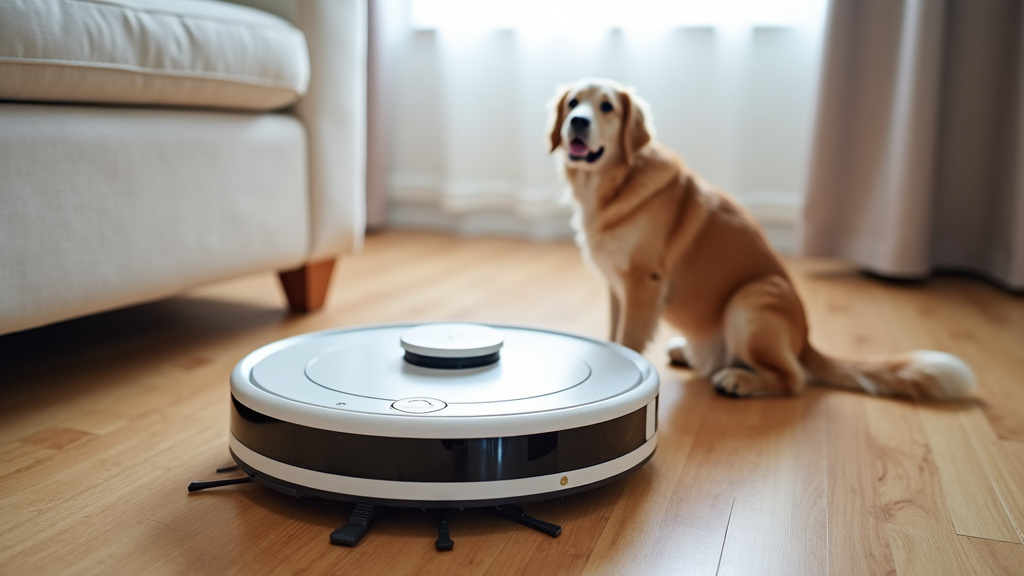
If you’re in the market for a new robot vacuum and you have pets, look for models that specifically advertise pet waste avoidance. These vacuums are engineered with this particular challenge in mind.
We found that brands with strong reputations for AI and object recognition often perform best in this area. Reading reviews from other pet owners can also be very helpful. They can offer real-world insights into how well a vacuum handles pet-related messes.
Quick Checklist for Pet Waste Avoidance
Here’s a simple checklist to help you keep your robot vacuum clean:
- Ensure your robot vacuum has successfully mapped your home.
- Set up no-go zones in areas prone to pet accidents.
- Use virtual walls to temporarily block off messy spots.
- Schedule cleaning times when your pet is least likely to have an accident.
- Perform a quick visual check of floors before starting a cleaning cycle.
- Consider investing in a robot vacuum with dedicated pet waste avoidance technology.
Conclusion
You’ve learned how to transform your robot vacuum into a pet waste-avoiding powerhouse. By understanding its smart mapping and obstacle detection, you can set virtual boundaries with no-go zones. This prevents your robot from encountering unwelcome surprises. Remember to prioritize pre-cleaning and smart scheduling for the best results. If you’re buying new, look for models with dedicated pet waste avoidance technology. Take these steps today, and you can enjoy clean floors and happy pets with less worry.
Frequently Asked Questions
Will my robot vacuum really avoid pet accidents on its own?
Some advanced robot vacuums have specific pet waste avoidance technology that uses AI and cameras. Research shows these systems are getting much better. However, for complete peace of mind, we still recommend using no-go zones and checking floors before runs.
How do I set up a no-go zone on my robot vacuum?
You’ll typically do this through your robot vacuum’s mobile app. After the robot maps your home, you can draw digital “no-go zones” directly on the map. These are areas where you don’t want the robot to clean.
What if my pet has an accident right before the vacuum runs?
The most reliable method is to do a quick visual check of your floors before starting a cleaning cycle. If you find a mess, clean it up manually. You can also use the app to quickly draw a temporary virtual wall around the area.
Can I use my robot vacuum for spot cleaning pet messes?
While some robots have spot cleaning modes, we advise against using them for pet waste. It’s better to avoid the area entirely to prevent spreading the mess. Manual intervention or no-go zones are safer options.
Is it worth buying a robot vacuum specifically for pet waste avoidance?
If you have pets, especially puppies or seniors prone to accidents, a vacuum with dedicated pet waste avoidance can be a great investment. Brands with strong object recognition technology tend to perform better. Reading reviews from other pet owners is highly recommended.
