
Do Carpet Cleaners Dry Carpet Quickly?

Yes, most carpet cleaners can dry your carpet quite quickly, but the exact drying time depends on several factors. You’re probably wondering how soon you can get back to enjoying your fresh-smelling living room without the soggy sock feeling. We found that with the right techniques and equipment, carpets can often be dry enough to walk on within just a few hours.
When you clean your carpet, the goal is to remove dirt and stains effectively. This process involves using water and cleaning solutions. Proper extraction is key to ensuring that excess moisture is removed. This minimizes drying time and prevents issues like mold or mildew. Many professional services offer quick-drying options for this reason.
- Professional carpet cleaning often leads to faster drying times.
- Factors like humidity and airflow heavily influence how quickly your carpet dries.
- Proper extraction is the most critical step for rapid drying.
- Allowing for ventilation is a simple yet effective drying aid.
Let’s walk through what affects carpet drying speed and how you can help your carpet dry as fast as possible.
How Quickly Can Carpet Cleaners Dry Your Carpet?
You’re likely wondering, “How long will my carpet stay wet after cleaning?” The good news is that with the right approach, your carpet can become dry enough to walk on in a matter of hours, not days. Most professional carpet cleaning services aim for this quick turnaround. We found that the average drying time often falls between 2 to 6 hours, but this can vary.
Several things influence this drying speed. Think of it like drying clothes after a wash. Some items dry faster than others, and the weather plays a big role. Your carpet is no different. Understanding these factors helps you predict and speed up the drying process. Let’s break down what makes your carpet go from damp to delightfully dry.
Factors Influencing Carpet Drying Time
What makes one carpet dry faster than another? It’s a combination of the cleaning method, your home environment, and even the type of carpet itself. We’ve looked into what experts say are the biggest players in this drying game.
The Cleaning Method Matters
Not all carpet cleaning methods are created equal when it comes to drying time. The most common methods are hot water extraction (often called steam cleaning) and dry cleaning.
Hot Water Extraction: The Deep Cleaners
This is the method most pros use. It involves spraying hot water and cleaning solution into your carpet. Then, powerful vacuums suck up the dirty water. The more effective the vacuum and the technique, the less water is left behind. This is key to fast drying.
We found that a professional hot water extraction service typically leaves carpets damp, not soaking. This is because their equipment is much more powerful than what you might find in a rental unit. A good extraction pass removes about 90-95% of the moisture. This leaves just a small amount to evaporate.
Dry Carpet Cleaning: The Speedsters
Dry cleaning methods use very little moisture. They often involve applying a cleaning compound that absorbs dirt. This compound is then vacuumed away. Because there’s minimal water, carpets cleaned this way can be dry almost immediately. However, this method may not provide as deep a clean as hot water extraction for heavily soiled carpets.
Carpet Fiber and Construction
The type of carpet you have plays a role too. Denser, plusher carpets tend to hold more water than low-pile carpets. Synthetic fibers like nylon and polyester also dry faster than natural fibers like wool.
We found that wool carpets can absorb more moisture and take longer to dry. They might need a bit more attention to ensure they dry thoroughly. This helps prevent potential issues.
The Amount of Water Used
This might seem obvious, but it’s worth mentioning. If too much water is used during cleaning, it will naturally take longer to dry. This can happen with DIY cleaning if the machine isn’t working correctly or if the operator is over-wetting the carpet. Less water equals faster drying.
Ambient Conditions: Your Home’s Environment
The conditions inside your home are a major factor. Think about it: would you hang wet clothes outside on a humid, rainy day or a sunny, breezy one? Your carpet needs similar conditions to dry efficiently.
Humidity Levels
High humidity means there’s already a lot of moisture in the air. The air can’t easily absorb more water from your carpet. We found that humid days can significantly extend drying times. If it’s muggy outside, it will likely be muggy inside.
Temperature
Warmer temperatures help speed up evaporation. It’s like a sunny day helping your laundry dry faster. A slightly warmer room will help your carpet dry quicker than a cool one.
Airflow and Ventilation
This is where you can make a big difference! Good airflow helps move moist air away from the carpet and brings in drier air. Open windows (if the outside air is dry), use ceiling fans, or even portable fans. Circulating air is your best friend for drying.
Many home maintenance guides suggest that consistent airflow can cut drying time in half. It’s a simple trick that yields impressive results. Think of fans as giving your carpet a refreshing breeze.
How You Can Help Your Carpet Dry Faster
While professional cleaning services have powerful equipment, you can still take steps to ensure your carpet dries as quickly as possible after they leave, or if you’re doing a DIY clean. It’s all about encouraging that moisture to leave the fibers and evaporate.
Boost Airflow and Ventilation
This is the most effective DIY strategy. Open windows on dry days. Turn on ceiling fans and any portable fans you have. Directing fans towards the carpeted areas helps immensely. More air movement means moisture evaporates faster.
Control the Temperature and Humidity
If you have air conditioning, use it. AC units help dehumidify the air, which aids in drying. If you have a dehumidifier, run it in the room with the carpet. Slightly increasing the room temperature can also help, but don’t make it so hot that it becomes uncomfortable.
Avoid Walking on Wet Carpet
Try to stay off the carpet as much as possible while it’s damp. Walking on it can push moisture deeper into the padding and fibers. It can also flatten the pile and potentially transfer dirt from your feet or socks back onto the carpet. If you must walk on it, we found that wearing clean, soft-soled slippers or shoe covers is best.
Consider Light Use of a Dehumidifier
A dehumidifier is like a super-powered fan for removing moisture. Place it in the room with the wet carpet. Empty the collection tank regularly. This device actively pulls water from the air, making your carpet dry faster. Many experts suggest this is one of the most effective tools for speeding up drying.
Resist the Urge to Over-Clean (DIYers)
If you’re using a rental machine, be mindful of how much water you’re putting down. Focus on making multiple “dry passes” with the vacuum. This means going over the carpet again and again without spraying more solution. The goal is to suck up as much water as possible. We found that this step is often overlooked but is critical for fast drying.
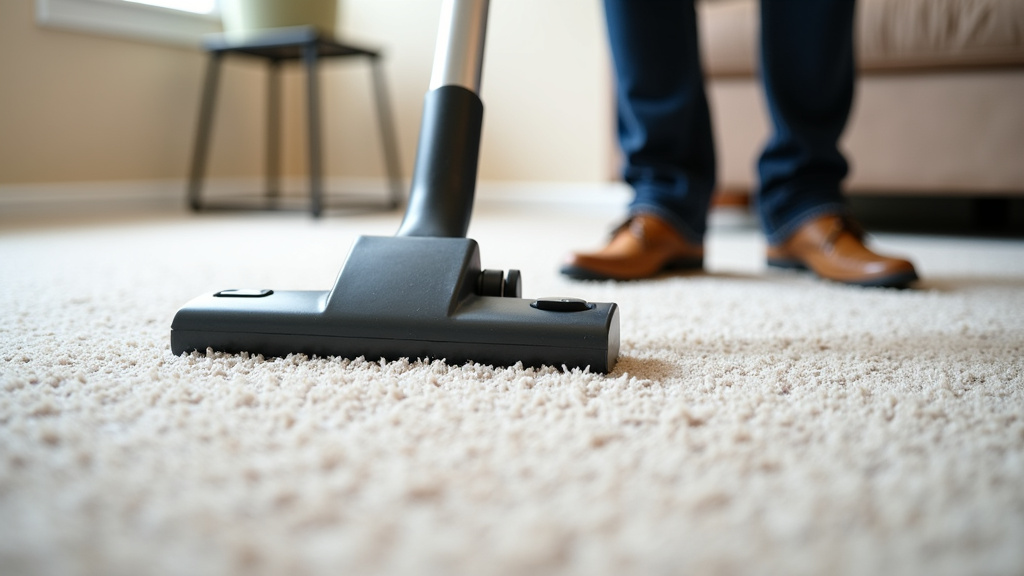
When to Call the Professionals for Faster Drying
Sometimes, despite your best efforts, a carpet might take longer to dry than you expect. This is often a sign that either too much water was used or the extraction wasn’t sufficient. In these cases, or if you simply want the quickest, most efficient drying possible, professionals are your best bet.
Professional Equipment for Optimal Extraction
Professional carpet cleaning companies invest in high-powered, truck-mounted or commercial-grade portable extraction machines. These machines have stronger suction and higher water lift capabilities than consumer-grade equipment. This means they can remove significantly more water from your carpet during the cleaning process.
We found that this superior extraction capability is the primary reason professional cleanings typically result in faster drying times. They are designed to leave the carpet only slightly damp, making it ready for use much sooner.
Advanced Drying Techniques
Beyond just powerful extraction, many professional services also offer or recommend optional drying services. This might include using high-speed air movers (powerful fans) and industrial dehumidifiers strategically placed on your carpet. These tools work together to create an optimal drying environment.
While you can rent fans, professional-grade equipment is often more powerful and efficient. Many experts say that combining advanced extraction with professional drying equipment can get a carpet dry enough to walk on in as little as 1-2 hours in ideal conditions.
Preventing Mold and Mildew
The biggest concern with slow-drying carpets is the potential for mold and mildew growth. Moisture trapped for extended periods creates a breeding ground for these organisms. This can lead to musty odors and potential health issues.
According to the EPA, mold can grow in as little as 24-48 hours in damp conditions. Professional cleaning, with its emphasis on thorough extraction and often expedited drying, helps mitigate this risk. It ensures your carpet dries quickly and thoroughly, preventing secondary problems.
A Quick Drying Checklist
To recap, here’s what you can do to help your carpet dry as fast as possible after cleaning:
- Maximize Airflow: Open windows (on dry days) and use fans.
- Control Environment: Use AC or a dehumidifier to lower humidity.
- Moderate Temperature: Keep the room slightly warm, but comfortable.
- Limit Foot Traffic: Stay off the carpet until it’s dry to the touch.
- Wear Slippers: If you must walk on it, use clean, soft-soled footwear.
- Professional Extraction: For the fastest results, hire pros with powerful equipment.
By understanding the factors involved and taking these simple steps, you can ensure your carpet gets dry quickly and looks and smells its best. Enjoy your refreshed living space!
Conclusion
We’ve seen that carpet cleaners can dry your carpet quickly, usually within a few hours, but it’s not always automatic. The speed depends heavily on the cleaning method, your home’s environment, and how much moisture is left behind. Professional cleaning with powerful extraction is your best bet for the fastest results. But even with DIY cleaning, you have a lot of control! By focusing on improving airflow and managing humidity, you can significantly speed up the drying process and get back to enjoying your clean home sooner.
Frequently Asked Questions
How long does it usually take for a carpet to dry after professional cleaning?
Most professional carpet cleaning services aim to have your carpets dry within 2 to 6 hours. This timeframe can be shorter with advanced drying techniques or longer depending on environmental factors like humidity.
Will using fans really make a big difference in drying time?
Yes, absolutely! Boosting airflow with fans is one of the most effective ways to speed up drying. Fans help move moist air away from the carpet, allowing drier air to replace it and speed up evaporation.
What’s the biggest risk if my carpet doesn’t dry quickly enough?
The main concern with slow-drying carpets is the potential for mold and mildew growth. This can happen within 24-48 hours of prolonged dampness and can lead to odors and health issues.
Should I avoid walking on my carpet after it’s cleaned?
It’s best to limit foot traffic on damp carpets. Walking on them can push moisture deeper into the padding and flatten the carpet fibers. If you must walk on it, wear clean, soft-soled slippers.
Can dry carpet cleaning methods make my carpet dry instantly?
Dry carpet cleaning methods use very little water, so carpets cleaned this way often feel dry almost immediately. However, this method might not provide as deep a clean for heavily soiled carpets compared to hot water extraction.
