
Do You Need to Pretreat Stains Before Using a Carpet Cleaner?
Yes, you absolutely should pretreat stains before using a carpet cleaner for the best results. Pretreatment helps break down tough stains, making them easier for your carpet cleaner to lift and remove. This step ensures a deeper clean and helps prevent stains from setting permanently into your carpet fibers, especially for stubborn spots.
Many experts recommend pretreating because it targets specific stain types, like wine, pet accidents, or grease. This targeted approach is often more effective than relying solely on the carpet cleaner machine to do all the work. You’ll achieve a cleaner carpet and save yourself time and effort in the long run by taking this extra step.
- Pretreating is generally recommended for tougher stains.
- It helps break down stain molecules before cleaning.
- This leads to a deeper, more effective carpet clean.
- It can prevent stains from becoming permanent.
So, let’s talk about why this extra step makes such a big difference and how you can do it effectively. So, let’s talk about why pretreating stains makes such a big difference and how you can do it effectively.
Should You Really Pretreat Carpet Stains?
You’ve got a spill, a spot, or a mystery smudge on your carpet. Your instinct might be to grab your carpet cleaner machine and go to town. But wait! That extra step of pretreating stains? It’s not just a suggestion; it’s often the secret weapon for truly clean carpets. We found that skipping this step can leave you with lingering marks and a less-than-perfect finish.
Think of it like this: If you’re washing a really dirty dish, you wouldn’t just toss it in the dishwasher. You’d probably scrape off the big bits of food first. Pretreatment is the carpet version of that. It tackles the stain head-on before your machine gets involved. This makes your carpet cleaner’s job much easier and gets you better results. We’ll walk you through why it matters and how to do it right.
Why Pretreatment Makes a Difference
Carpet stains are tricky. They’re not just surface-level marks. Many stains sink deep into the carpet fibers. Some even reach the carpet’s backing. Your carpet cleaner machine uses water and suction. This is great for overall dirt. But for tough, set-in stains, it might not be enough on its own.
Pretreating loosens and breaks down these stubborn stain molecules. It’s like softening a dried-out piece of paint before you try to scrub it off. When you then use your carpet cleaner, it can more easily lift that softened stain away. This method is much more effective than just hoping the machine will do all the work.
The Science Behind Stain Removal
Stains are often made of dyes, oils, or organic matter. These components bond with the carpet fibers. Water alone might not be able to dissolve them fully. Pretreatment solutions contain special ingredients.
These ingredients work to emulsify oils or break apart dye molecules. For example, enzyme cleaners are excellent for organic stains like pet accidents. They actually “eat” the stain. Alkaline cleaners are good for greasy or oily spots. Acidic cleaners can help with things like coffee or wine stains (Cleveland Clinic).
Preventing Set-In Stains
The longer a stain sits, the harder it is to remove. Over time, it can permanently bond with the fibers. This is especially true for synthetic carpets. Once a stain sets, it can feel like it’s part of the carpet. Pretreatment stops this process early.
By applying a treatment right away, you interrupt the bonding. You give the stain-fighting agents time to work. This prevents the stain from becoming a permanent eyesore. Many carpet care guides suggest immediate attention is key.
When to Skip the Pretreatment (Rarely!)
While we strongly recommend pretreating, there are a few situations where you might get away without it. These are typically for very minor, fresh spills. If you catch a water-based spill, like a bit of clear liquid, immediately, you might be able to blot it up successfully.
However, “minor” and “fresh” are key. Even a small amount of colored liquid can leave a mark. And if the spill has any oil or pigment, pretreating is almost always the better choice. It’s better to be safe than sorry when it comes to your carpet.
Very Fresh, Water-Based Spills
Did you just spill a glass of water? Or maybe some plain seltzer? If you can blot this up immediately with a clean, dry cloth, you might not need to pretreat. The key is speed and the type of liquid. Blotting absorbs the liquid before it can soak in.
Remember, even clear liquids can sometimes leave behind residue if not fully removed. So, while you might skip the pretreatment, you should still follow up with a light rinse with water and blot again until dry.
General Dirt vs. Spot Stains
Your carpet cleaner machine is fantastic for overall cleaning. It removes general dirt, dust, and accumulated grime. For this kind of cleaning, you usually don’t need to pretreat every square inch. The machine’s solution and action are designed for this broad cleaning task.
Pretreatment is specifically for targeted spots and stains. It’s for those areas that look different from the rest of the carpet. Think of that wine spill or the grease mark from a dropped pizza slice. Those need extra attention.
Choosing the Right Pretreatment Product
There are many pretreatments available. They range from store-bought sprays to DIY solutions. The best choice depends on the type of stain you’re dealing with.
Commercial Carpet Spot Removers
These are formulated to tackle a variety of stains. Many are designed to be sprayed on, left for a few minutes, and then cleaned up by your machine. Look for products that specify the types of stains they handle, such as grease, pet stains, or colored liquids.
We found that reading the product label is essential. It will tell you how to use it and what types of stains it’s best for. Some are “oxygen-based” and work well on colored stains, while others use enzymes for organic matter (Consumer Reports).
DIY Pretreatment Options
For those who prefer to mix their own, a few common household items can work. A solution of white vinegar and water can be effective for some stains. A paste of baking soda and water can help absorb odors and lift some stains.
For greasy stains, a small amount of dish soap (like Dawn) diluted in water can be surprisingly effective. Always test any DIY solution in an inconspicuous area of your carpet first. You don’t want to accidentally damage your carpet or create a new stain.
Testing for Colorfastness
This is super important, whether you use a commercial or DIY product. Before applying any pretreatment to a visible stain, test it on a hidden spot. This could be inside a closet or under a piece of furniture. Apply the solution, let it sit for the recommended time, and then blot it up. Check the area for any color loss or damage to the carpet fibers.
We found that many carpet manufacturers recommend this test. It ensures the cleaning solution won’t strip the color from your carpet. This step saves you from potentially bigger problems later on.
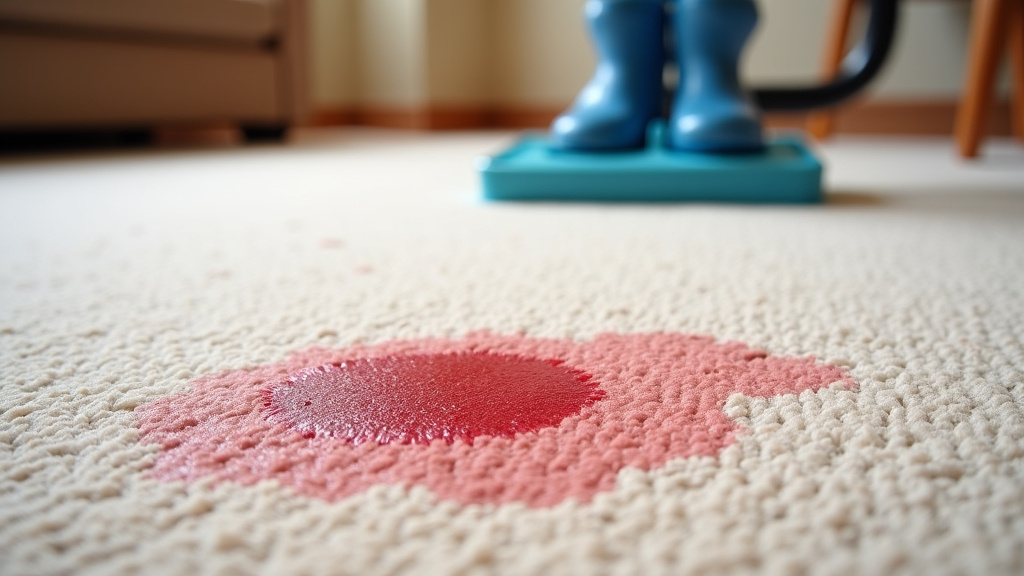
How to Effectively Pretreat Carpet Stains
Pretending your carpet is a delicate surgical field isn’t necessary, but a bit of care goes a long way. The goal is to target the stain without damaging the carpet around it.
Step-by-Step Pretreatment Guide
Here’s a simple process that works for most stains:
- Blot up excess: If it’s a wet stain, gently blot up as much as you can with a clean cloth or paper towels. Don’t rub, as this can spread the stain.
- Apply pretreatment: Spray or dab your chosen pretreatment solution directly onto the stained area. Don’t oversaturate the carpet.
- Let it dwell: Allow the pretreatment to sit for the time recommended on the product label, or about 5-10 minutes for most DIY solutions. This gives it time to break down the stain.
- Gently agitate (optional): For tougher stains, you can gently work the solution in with your fingers or a soft brush. Be careful not to scrub too hard.
- Clean with your machine: Proceed with using your carpet cleaner according to its instructions.
Common Stain Types and Their Pretreatment Needs
Different stains require different approaches. Here’s a quick guide:
Pet Stains (Urine, Vomit): These are organic and acidic. Use an enzymatic cleaner. These break down the odor-causing bacteria and the stain itself. Blot up first, apply enzyme cleaner, let it sit (often longer, sometimes hours), then clean.
Red Wine, Coffee, Juice: These are dye-based. A good quality commercial spot remover for colored stains or a diluted white vinegar solution can work. Blot, apply, let sit, then clean. You might need a second pass.
Grease and Oil: These need emulsifiers. A few drops of dish soap in water is a go-to. Some commercial degreasers are also effective. Blot, apply, let sit, then clean. Hot water can sometimes help with grease.
Mud: Let it dry completely first! Then vacuum thoroughly. Any remaining stain can often be treated with a general carpet cleaner or a diluted detergent solution. Blot, apply, let sit, then clean.
The Role of Your Carpet Cleaner Machine
Your carpet cleaner is the workhorse. It rinses out the loosened stain and the cleaning solution. It also extracts the dirty water. Pretreatment makes this job much more successful.
Without pretreating, your machine might just push the stain deeper. Or it might only remove the surface layer, leaving the rest behind. The combination of pretreatment and machine cleaning is what gives you that truly deep clean. Many manufacturers of carpet cleaning machines state that proper spot treatment improves their machine’s performance.
A Quick Pretreatment Checklist
Before you dive into cleaning, run through this quick checklist:
- Identify the stain type: Is it food, grease, pet accident, or something else?
- Choose the right product: Use a cleaner designed for that specific stain, or a safe DIY option.
- Test in an hidden spot: Always check for colorfastness first.
- Blot excess liquid: Remove as much as you can before applying treatment.
- Apply and dwell: Give the pretreatment time to work its magic.
- Proceed with your machine: Follow up with your carpet cleaner for a complete clean.
Conclusion
You’ve learned that pretreating carpet stains is a vital step. It’s your best defense against tough, set-in marks. By breaking down stains before using your machine, you ensure a deeper clean. This extra effort prevents permanent damage and keeps your carpets looking their best. Don’t skip this powerful weapon in your cleaning arsenal. For a truly refreshed carpet, always take a moment to pretreat those problem spots before you start the main cleaning process.
Frequently Asked Questions
How long should I let a pretreatment solution sit on a stain?
Generally, follow the product label for specific instructions. For most common stains and DIY solutions, allowing the pretreatment to sit for 5-10 minutes is effective. This dwell time lets the cleaning agents break down the stain molecules before you begin machine cleaning.
Can I use my regular carpet cleaner solution as a pretreatment?
While your carpet cleaner’s solution is great for overall cleaning, it’s usually not designed for targeted stain breakdown. Pretreatment products are formulated with specific ingredients to tackle stubborn marks. Using your machine’s solution alone might not be enough for tough spots.
What if I don’t know what caused the stain?
If you’re unsure of the stain type, start with a general-purpose carpet spot remover. We found that testing it in an inconspicuous area first is always wise. Many commercial products are designed for multiple stain types, giving you a good starting point.
Will pretreating damage my carpet if I use the wrong product?
There’s a risk of damage or color loss if you use an inappropriate product or don’t test first. Always test any pretreatment solution, commercial or DIY, in a hidden spot. This step confirms the solution won’t harm your carpet’s fibers or color before you tackle the visible stain.
Is pretreating necessary for brand new carpet stains?
Yes, even for new stains, especially if they are colored or greasy. While fresh, water-based spills can sometimes be blotted away immediately, other substances can start bonding quickly. Pretreating right away interrupts this process and greatly increases your chances of complete stain removal.
