
How Much Does a Handheld Vacuum Cost?
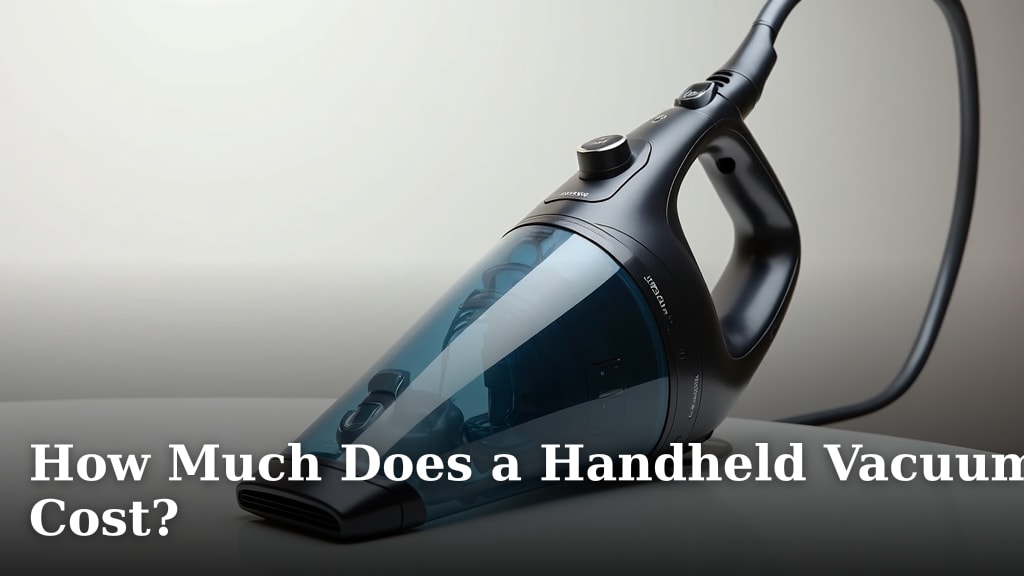
You can expect to spend anywhere from $20 to $300 for a handheld vacuum. The exact price depends on its features, brand, and power. Many budget-friendly options work well for quick cleanups. Higher-end models offer better suction and more accessories.
When looking for a handheld vacuum, consider what you’ll use it for most. Will it be for pet hair, car interiors, or just crumbs on the couch? We found that battery life and suction power are key factors for many shoppers. You can find great deals if you know where to look and what matters most to your cleaning needs.
- Handheld vacuums range from $20 to $300.
- Price depends on brand, features, and power.
- Consider your main cleaning tasks before buying.
- Look at battery life and suction strength.
- Budget models are great for quick messes.
Let’s dive into the different price points and what you get for your money, so you can find the perfect handheld vacuum for your home.
Understanding Handheld Vacuum Pricing Tiers
So, how much cash should you stash for a handheld vacuum? We’ve crunched the numbers and found that the price tag can stretch anywhere from a mere $20 to a hefty $300. This wide range means there’s likely a perfect fit for just about any budget. Think of it like buying a tool; a simple screwdriver is cheap, but a fancy power drill costs more. The same logic applies here. Your intended use and desired features will really drive the cost.
Budget-Friendly Picks: Under $50
In this entry-level category, you’ll find handheld vacuums that are great for those quick, everyday cleanups. These are your go-to for tackling cookie crumbs on the couch or spilled cereal on the kitchen floor. They often run on AA batteries or have a very short charging time, meaning they’re always ready to go when you need them for a small mess.
We found that vacuums in this range typically offer decent suction, but it might not be powerful enough for deeply embedded dirt or stubborn pet hair. They are usually lightweight and easy to maneuver, making them ideal for smaller homes or for users who don’t need heavy-duty cleaning power. Don’t expect a lot of fancy attachments or a long battery life here, but for spot cleaning, they absolutely get the job done.
Consider these if your primary need is for light debris like dust bunnies, stray cat litter, or the aftermath of a crafting session. They’re often cordless, offering freedom from cords, which is a big plus for convenience. Many users find these perfect for keeping in a kitchen drawer or a car’s glove compartment.
Mid-Range Marvels: $50 to $150
Step up to the mid-range, and you’ll start to see some real improvements in performance and features. These handheld vacuums often boast rechargeable battery packs, giving you more power and longer runtimes. We found that many models in this bracket offer noticeably better suction, making them more effective on a wider variety of surfaces and messes.
You might also find yourself with a few more helpful accessories in this price range. Think crevice tools for tight spots, brush attachments for upholstery, or even specialized filters for allergy sufferers. Battery life is often a key selling point here, with many offering 20-30 minutes of cleaning time on a single charge. This is usually enough to tackle a car interior or multiple spot cleanings around the house.
These vacuums are a fantastic balance of price and performance. They’re powerful enough for most common household tasks, including picking up pet hair from furniture and cleaning up spills in high-traffic areas. If you’re looking for a solid, reliable handheld vacuum that won’t break the bank but still delivers satisfying results, this is likely your sweet spot.
Premium Powerhouses: $150 to $300
Now we’re entering the premium territory. In this price range, you’re investing in top-tier performance and a host of advanced features. These handheld vacuums often come with powerful, long-lasting lithium-ion batteries. We found that runtimes can extend to 30 minutes or even more, often with fast charging capabilities.
Suction power is usually exceptional here, comparable to some corded upright vacuums. This means they can handle even the toughest jobs, like deep cleaning carpets, removing stubborn pet hair embedded in upholstery, or sucking up larger debris. Many premium models feature advanced filtration systems, such as HEPA filters, which are excellent for trapping allergens and improving air quality, as recommended by health organizations like the American Lung Association.
Expect a suite of high-quality attachments designed for specific tasks. This could include motorized brush heads for pet hair, flexible hoses for awkward spaces, and docking stations for convenient storage and charging. The build quality is generally superior, with more durable materials and ergonomic designs for comfortable use. If you demand the best performance and are willing to pay for it, these high-end handheld vacuums deliver.
Key Factors Influencing Price
When you’re comparing prices, several factors consistently pop up. Understanding these can help you justify the cost of a particular model or identify where you might be able to save a few bucks without sacrificing too much quality.
Brand Reputation and Quality
Just like with any product, established brands often come with a higher price tag. Companies with a long history of producing reliable vacuums, like Dyson, Shark, or Bissell, tend to charge more. We found that these brands often invest heavily in research and development, leading to innovative features and superior performance. However, many lesser-known brands offer surprisingly good value, especially in the budget and mid-range categories.
Battery Technology and Life
The type and longevity of the battery are significant cost drivers. Lithium-ion batteries are generally more expensive than older NiCad or NiMH batteries, but they offer better power, lighter weight, and longer lifespan. We found that vacuums with longer runtimes (e.g., 30+ minutes) and quicker charging times command higher prices. If you need to clean for extended periods without interruption, investing in a model with advanced battery tech is often worthwhile.
Suction Power and Motor Efficiency
A powerful motor translates to stronger suction, which is essential for effective cleaning. Higher-wattage motors and advanced motor designs contribute to higher costs. You’ll often see terms like “cyclonic suction” mentioned for higher-end models, which helps maintain suction power as the dustbin fills. We found that vacuums specifically designed for pet hair often feature more robust motors to tackle those stubborn strands.
Included Accessories and Attachments
The more tools you get in the box, the higher the price is likely to be. A basic model might only come with a charger and a simple crevice tool. More expensive units can include a variety of specialized attachments for different surfaces, pet grooming tools, or even flexible hoses to reach tricky spots. Think about which attachments you’ll actually use before paying extra for a bundle you don’t need.
Special Features and Filtration
Advanced features can also inflate the price. This includes things like LED lights to illuminate dark corners, multi-stage filtration systems (especially HEPA filters for allergen control), smart charging indicators, or even app connectivity on some very high-end models. We found that HEPA filtration, a crucial feature for allergy sufferers, is usually found in the mid-to-high price tiers.
Finding the Best Value for Your Needs
To make sure you’re getting the most bang for your buck, it’s helpful to consider a few practical tips. It’s not just about the lowest price, but about finding the right balance for your specific cleaning challenges.
Consider Your Primary Use Case
What will you be cleaning most often? Is it crumbs in the kitchen? Pet hair on the sofa? Dirt in your car? If it’s mostly light debris, a budget model might be perfectly adequate. For tougher jobs like pet hair or deep cleaning your car’s floor mats, you’ll want to consider models with stronger suction and better battery life, often found in the mid-range or premium tiers.
Read Reviews and Compare Features
Don’t just look at the price tag. We found that reading user reviews can provide invaluable insights into a vacuum’s real-world performance. Pay attention to comments about battery life, suction power, and durability. Comparing the features and included accessories of models within your budget can help you identify the best value proposition.
Look for Sales and Discounts
Handheld vacuums, like many electronics, often go on sale. Keep an eye out during major shopping holidays like Black Friday, Cyber Monday, or even around back-to-school season. You might be able to snag a higher-end model at a mid-range price.
Don’t Overpay for Unused Features
It’s easy to be tempted by all the bells and whistles on premium models. Ask yourself honestly: will you ever use that specialized pet grooming attachment or the LED headlights? Sometimes, a simpler, well-reviewed model in a lower price bracket is all you really need. We found that focusing on core performance like suction and battery life often leads to greater satisfaction.
Your Handheld Vacuum Checklist
- Determine your main cleaning tasks.
- Set a realistic budget.
- Prioritize suction power and battery life.
- Check included attachments for usefulness.
- Read recent user reviews for real-world performance.
- Look for sales if you have time.
Conclusion
You now have a clear picture of handheld vacuum pricing, from budget-friendly finds under $50 to premium powerhouses costing up to $300. We’ve seen how brand, battery life, suction power, and included accessories all play a role in the final cost. Remember, the best vacuum for you isn’t necessarily the most expensive. It’s the one that perfectly matches your cleaning needs and budget. Before you buy, take a moment to consider what you’ll clean most often. Then, compare features and read reviews to make a confident choice.
Frequently Asked Questions
Are cheap handheld vacuums worth it?
Yes, cheaper handheld vacuums, typically under $50, can be worth it for light cleaning tasks. We found they are great for quick spills like crumbs or dust. Just don’t expect them to handle heavy-duty jobs like deep pet hair removal.
How much battery life should I expect from a mid-range handheld vacuum?
In the $50 to $150 price range, you can generally expect around 20-30 minutes of cleaning time on a single charge. We found this is usually sufficient for cleaning out your car or for multiple spot cleanings around the house.
Do more expensive handheld vacuums have better suction power?
Generally, yes. Higher-priced models, especially those from $150 to $300, often feature more powerful motors and advanced suction technology. We found this leads to significantly better performance on tougher messes and embedded dirt.
Is it worth paying extra for a HEPA filter in a handheld vacuum?
If you or someone in your household suffers from allergies or asthma, paying extra for a HEPA filter is often worth it. We found these advanced filters are excellent at trapping fine allergens and improving indoor air quality.
Can I find a good handheld vacuum on sale?
Absolutely! Many retailers offer discounts on handheld vacuums, especially during major sale events like Black Friday or Cyber Monday. We found that keeping an eye out can help you snag a higher-quality model for a lower price.
