
Which Is Better for Allergies a Canister Vacuum or an Upright Vacuum?
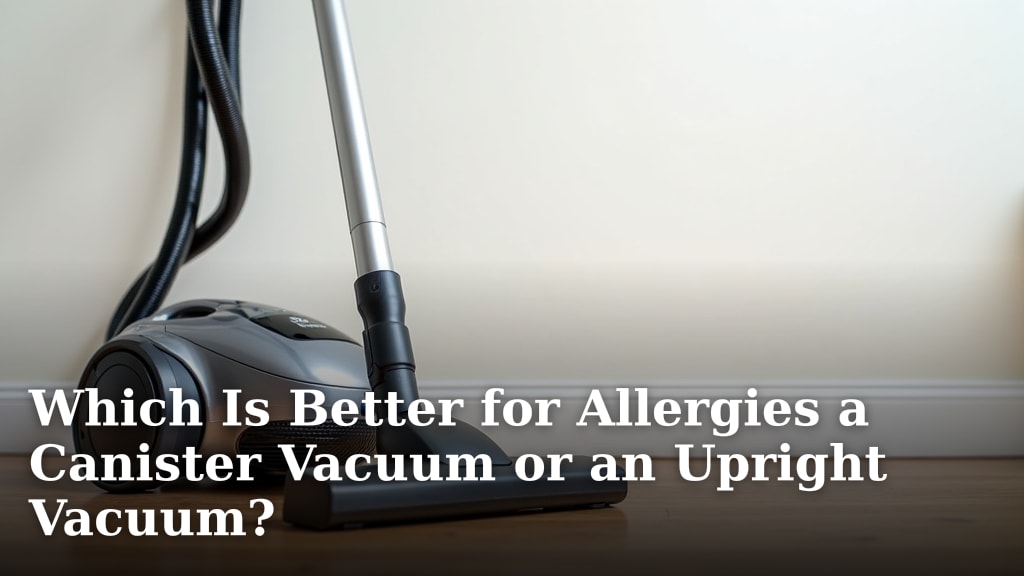
For allergy sufferers, a canister vacuum is generally better than an upright. Canister vacuums often use sealed systems and better filtration. This helps them capture more microscopic allergens like dust mites and pet dander. Upright vacuums can sometimes release fine particles back into the air.
Choosing the right vacuum can make a big difference in your home’s air quality. We’ve researched how different vacuum types handle allergens. Many experts agree that a well-designed canister vacuum offers superior performance for allergy control. It’s all about how effectively it traps and contains those tiny irritants.
- Canister vacuums are usually better for allergies.
- They often have better filtration systems.
- Sealed systems prevent allergens from escaping.
- Upright vacuums can sometimes spread fine dust.
- Look for HEPA filters for maximum allergy relief.
Let’s break down the pros and cons of each type so you can make the best choice for your home and your allergies.
Canister vs. Upright Vacuums: Which Tackles Allergies Best?
When you’re battling allergies, your vacuum cleaner is a key weapon. But not all vacuums are created equal. We’ve looked into how canister and upright vacuums perform when it comes to trapping dust, dander, and other tiny irritants. Research suggests that canister vacuums often have an edge. This is due to their design and filtration capabilities. They can help keep your home’s air cleaner.
So, which one should you choose for your allergy relief needs? Let’s break down the differences. We’ll help you understand why a canister model might be your best bet.
Understanding Vacuum Filtration and Sealed Systems
The main job of any vacuum is to suck up dirt. But for allergy sufferers, *how* it does this matters a lot. It’s not just about what goes into the vacuum. It’s also about what stays in and what might leak back out. This is where filtration and sealed systems become incredibly important.
The Role of Filtration in Allergy Control
Think of a vacuum’s filter like the lungs of your home. A good filter catches tiny particles. These include things like pollen, dust mite droppings, and pet dander. These are common allergy triggers.
Many vacuums come with basic filters. These might catch larger debris like crumbs and hair. But for allergy sufferers, you need something more. You need filters that can capture microscopic particles. These are often measured in microns. HEPA (High-Efficiency Particulate Air) filters are the gold standard here. They are designed to capture at least 99.97% of airborne particles 0.3 microns in size. This includes many common allergens (U.S. Department of Energy).
What is a Sealed System?
A sealed system is just as vital as a good filter. Imagine a vacuum bag that has a tiny leak. Or the seals around the dustbin aren’t quite perfect. Even if the vacuum has a great HEPA filter, dirty air can escape before it even reaches the filter. Or, the filtered air might leak out *after* passing through the filter.
A truly sealed system ensures that all the air drawn into the vacuum goes through the filter before being released back into your room. This is a big deal for allergy sufferers. It means the vacuum isn’t just moving allergens around; it’s effectively trapping them.
Canister Vacuums: The Allergy Sufferer’s Friend
Canister vacuums often get high marks from allergy experts. We found that their design lends itself well to trapping allergens. Let’s look at why.
Design Advantages for Allergen Containment
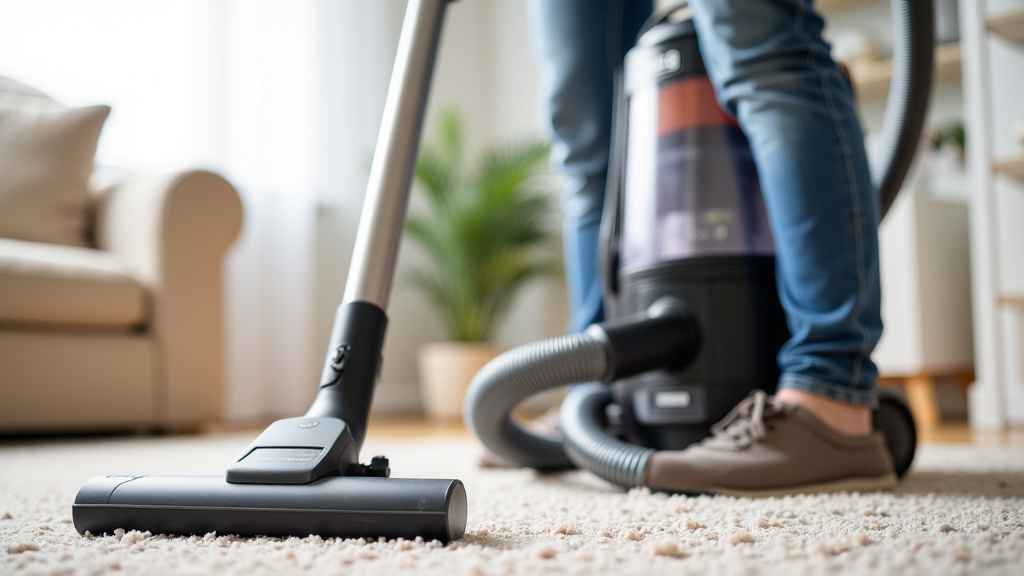
Canister vacuums have two main parts: the canister (where the motor and dustbin are) and the wand/hose. This separation is a key advantage. The wand and hose give you flexibility. They also help keep the motor and the dirt contained away from you.
Many canister models feature excellent sealing. This means less chance of microscopic dust escaping back into your air. The motor is also often better insulated. This can lead to a quieter operation, which is a nice bonus!
Superior Filtration Options
Manufacturers often equip canister vacuums with higher-quality filtration systems. You’ll frequently find models that come standard with HEPA filters or offer them as an upgrade.
When a canister vacuum has both a good sealed system and a HEPA filter, it’s a powerful tool against allergens. It means it can trap those tiny particles effectively. This helps reduce the overall allergen load in your home.
Ease of Use for Different Surfaces
The flexible hose and wand of a canister vacuum make them very versatile. You can easily clean floors, stairs, upholstery, and even ceilings. This makes it easier to tackle all the places allergens can hide. Cleaning your mattress or drapes becomes much simpler. This thorough cleaning is essential for managing allergies.
Upright Vacuums: Can They Compete for Allergy Sufferers?
Upright vacuums are popular for their simplicity and power. Many households have them. But when it comes to allergies, they can sometimes be a bit of a mixed bag.
Potential for Allergen Escape
The main concern with some upright vacuums is their potential to release fine dust back into the air. Because the motor and the dustbin are integrated into a single unit, air might not be perfectly sealed. If the seals aren’t robust or the filter isn’t top-notch, tiny particles can escape.
Some older or basic upright models might not have advanced filtration. This means they could recirculate allergens. This is the opposite of what you want when you’re trying to improve air quality.
Filter Quality Varies Greatly
While some high-end upright vacuums now come with HEPA filters and good sealing, it’s not a guarantee. You must check the specifications carefully. Some uprights might only offer basic filters. These won’t be as effective at capturing microscopic allergens.
If you’re considering an upright for allergies, look for models specifically advertised with sealed systems and genuine HEPA filters. Otherwise, you might be disappointed with their performance.
Convenience and Power
Uprights are often praised for their powerful suction. They can be great for deep cleaning carpets. They are also often more straightforward to operate. Just push and go! This ease of use can encourage more frequent cleaning. Regular vacuuming is crucial for allergy control.
However, their weight and bulk can make them less ideal for cleaning stairs or reaching high places. This might mean some allergen hotspots get missed.
Key Features to Look For in an Allergy-Friendly Vacuum
Regardless of whether you lean towards a canister or an upright, certain features are non-negotiable for allergy sufferers. Prioritizing these will make a big difference.
The Importance of HEPA Filtration
We can’t stress this enough: look for a HEPA filter. A genuine HEPA filter is certified to trap 99.97% of particles at 0.3 microns. This is the most effective way to capture common allergens like dust mites, pet dander, and pollen.
Be wary of terms like “HEPA-like” or “HEPA-type.” These are not the same as a true HEPA filter. Always verify the certification if possible.
Sealed System: Preventing Leaks
As we discussed, a good filter is useless if dirty air can escape. A sealed system ensures that all the air passes through the filter before expulsion. This means the vacuum isn’t just redistributing allergens in your home.
Look for descriptions that mention “sealed system” or “airtight construction.” This is particularly important for upright vacuums, where sealing can be more challenging.
Bagged vs. Bagless: A Matter of Containment
Both bagged and bagless vacuums can be good for allergies, but they have different pros and cons regarding dust containment.
- Bagged Vacuums: When you use a bagged vacuum, the dirt and allergens are collected in a disposable bag. When it’s time to empty, you simply remove the bag and throw it away. This method is excellent for minimizing dust exposure during disposal. It’s often the preferred choice for severe allergy sufferers.
- Bagless Vacuums: These use a canister or bin that you empty directly into the trash. While convenient and often more cost-effective (no bags to buy), emptying the bin can release dust into the air. You need to be careful when doing this, perhaps even doing it outside or wearing a mask. Some bagless models have very well-designed bins that reduce dust release.
For maximum allergy protection, especially if you have severe allergies, a bagged canister vacuum with a HEPA filter and a sealed system is often the top recommendation.
Making Your Choice: A Comparison Table
To help you visualize the differences, here’s a quick comparison:
| Feature | Canister Vacuum | Upright Vacuum |
|---|---|---|
| Allergen Containment | Generally excellent due to sealed systems and separate components. | Varies widely; can be good in high-end models, but potential for leaks in others. |
| Filtration Options | Often comes with or easily upgrades to HEPA filters. | HEPA filters are available but not standard on all models. Check specifications. |
| Ease of Use (Versatility) | Excellent for various surfaces, stairs, and above-floor cleaning. | Great for large carpeted areas, but can be heavy and less maneuverable. |
| Dust Exposure During Emptying | Minimal with bagged models; moderate with bagless if not careful. | Can be high with bagless models if not emptied carefully. |
| Price Range | Can be more expensive, especially high-end models. | Wide range, with many budget-friendly options available. |
Checklist for Allergy-Proof Vacuuming
Ready to find your perfect allergy-fighting vacuum? Keep these points in mind:
- Prioritize HEPA filtration.
- Look for a sealed system.
- Consider bagged models for less dust exposure.
- Check reviews for allergen-specific performance.
- Ensure it’s easy to maneuver for thorough cleaning.
- Don’t forget regular filter and bag replacement!
Conclusion
When choosing a vacuum for allergy relief, canister models often have the advantage. Their design typically offers better sealing and superior filtration options like HEPA filters. This combination is key to trapping microscopic allergens effectively. While some upright vacuums have improved, canister vacuums generally provide more consistent allergen containment. Your goal is cleaner air, so prioritize a vacuum with a certified HEPA filter and a well-sealed system. Make sure to check the specifications carefully to ensure it meets your allergy needs for a healthier home environment.
Frequently Asked Questions
Do I really need a HEPA filter for my allergies?
Yes, a HEPA filter is highly recommended if you have allergies. It’s certified to capture 99.97% of airborne particles 0.3 microns in size. This includes common triggers like dust mites, pet dander, and pollen, helping you breathe easier.
Are bagged vacuums always better for allergies than bagless?
Bagged vacuums can be better because emptying a full bag minimizes dust exposure. Bagless vacuums are convenient but require careful emptying, ideally outdoors, to avoid releasing allergens back into your home.
Can any upright vacuum work for allergies, or do I need a special one?
Not all upright vacuums are ideal for allergies. You need to look for models that specifically advertise a sealed system and a genuine HEPA filter. Standard uprights may recirculate fine dust.
How often should I replace the HEPA filter in my vacuum?
Filter replacement frequency depends on the vacuum model and how often you use it. Check your vacuum’s manual, but generally, HEPA filters should be replaced every 6-12 months for optimal performance.
What does a “sealed system” mean for my vacuum cleaner?
A sealed system ensures that all the air your vacuum sucks up passes through the filter before being released. This prevents allergens and fine dust from escaping around the filter or through leaky seals, making your cleaning more effective.
