
What Is the Best Vacuum for a Household with Cats?
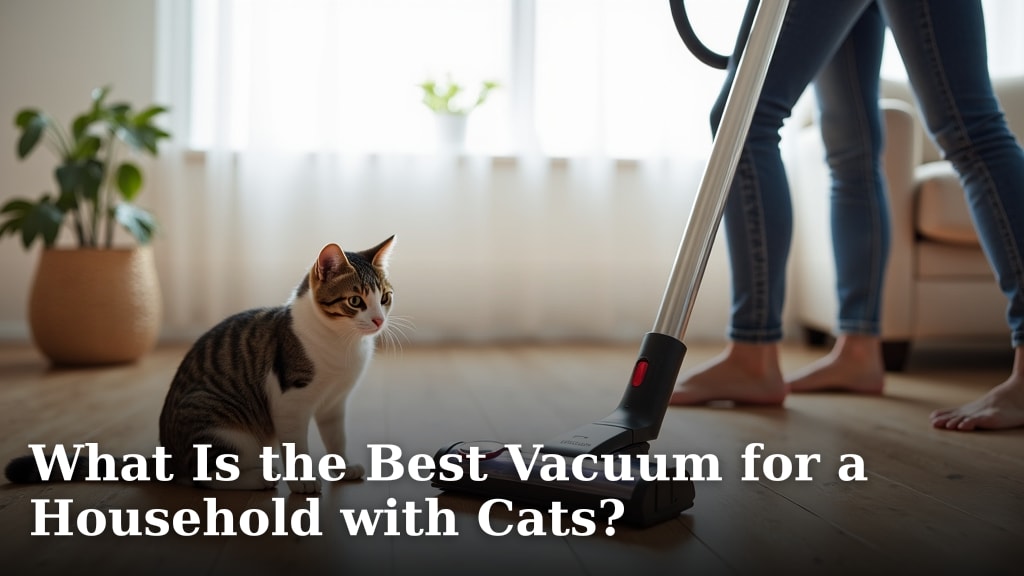
The best vacuum for a household with cats is one with strong suction and a good filtration system. You’ll want a model designed to tackle pet hair, dander, and odors effectively. Look for vacuums specifically advertised for pet owners.
Living with feline friends means dealing with constant shedding and potential messes. Finding a vacuum that can keep up is key to a cleaner home. We’ve researched options that handle everything from cat hair clinging to carpets to litter tracked across hard floors.
- Look for strong suction power.
- Prioritize excellent filtration for dander and odors.
- Pet-specific features are a huge plus.
- Consider both upright and canister models.
Let’s break down the top contenders and what makes them purr-fect for cat parents.
“`htmlChoosing the Right Vacuum for Your Cat-Filled Home
When you share your home with cats, you know shedding is a constant battle. Finding the best vacuum means looking for machines built to handle pet hair and dander effectively. We’ve researched models that excel at keeping your floors clean. Your goal is to find a vacuum that tackles your cat’s fur without breaking a sweat.
Understanding Key Features for Cat Owners
Not all vacuums are created equal when it comes to pet hair. You need specific features to make your cleaning life easier. We’ve found that focusing on a few core aspects makes a big difference.
Suction Power: The Engine of Cleanliness
Strong suction is non-negotiable for cat owners. It’s what pulls embedded fur from carpets and upholstery. You want a vacuum with enough power to lift stubborn hairs. Many experts point to vacuums with at least 120 Air Watts (AW) of suction for effective pet hair removal (Dyson technical specifications often highlight this metric).
Filtration: Battling Dander and Allergens
Beyond visible fur, cat dander can cause allergies and odors. A good filtration system traps these tiny particles. Look for vacuums with HEPA filters. These are designed to capture 99.97% of particles as small as 0.3 microns (U.S. Environmental Protection Agency standards). This is a big deal for air quality in your home.
Brush Roll Design: Preventing Tangles
Cat hair can easily wrap around a brush roll. This reduces suction and can damage the vacuum over time. Some vacuums feature brush rolls designed to resist tangles or are easy to clean. Others have specialized pet tools with anti-tangle technology.
Durability and Maintenance
A vacuum designed for pet hair will likely see heavy use. You want a machine that’s built to last. Consider how easy it is to empty the dustbin and clean filters. Easy maintenance means you’re more likely to keep up with cleaning.
Top Vacuum Types for Cat Households
The type of vacuum you choose impacts how you clean. Different styles offer unique advantages for tackling cat hair and messes. We’ve looked at the most popular options.
Upright Vacuums: Powerhouses for Carpets
Upright vacuums are workhorses, especially on carpets. They often have wide cleaning paths and powerful brush rolls. Many models are specifically designed with pet owners in mind. You’ll find many uprights come with onboard tools for upholstery and stairs.
Pros of Upright Vacuums
- Excellent for deep cleaning carpets.
- Often have larger dustbins.
- Good for quickly covering large areas.
- Many come with specialized pet tools.
Cons of Upright Vacuums
- Can be heavy and difficult to maneuver.
- May not reach tight spaces easily.
- Can be noisy.
Canister Vacuums: Versatility for Every Surface
Canister vacuums separate the motor and dustbin from the cleaning wand. This makes them lighter and more maneuverable. They excel on both hard floors and carpets. Their flexibility is a big plus for homes with mixed flooring.
Pros of Canister Vacuums
- Great for hard floors and delicate surfaces.
- Often quieter than uprights.
- Lighter wand makes them easy to use on stairs and furniture.
- Can be more powerful due to better motor cooling.
Cons of Canister Vacuums
- Storage can be an issue.
- Can be slower to set up and put away.
- May have smaller dustbins than comparable uprights.
Robot Vacuums: The Automated Helper
Robot vacuums can be a game-changer for daily maintenance. They run on schedules, keeping fur under control between deeper cleans. Many now feature improved suction and pet-specific brushes. They are fantastic for maintaining a baseline level of cleanliness.
Pros of Robot Vacuums
- Automated cleaning saves you time.
- Great for daily maintenance.
- Can reach under furniture easily.
- Many have smart features and app control.
Cons of Robot Vacuums
- Not ideal for deep cleaning.
- Can get stuck or confused by clutter.
- May not handle large messes well.
- Require regular maintenance (emptying bins, cleaning brushes).
Must-Have Features for Cat-Specific Cleaning
When shopping, keep an eye out for features that directly address the challenges of living with cats. These details can make all the difference in your cleaning routine.
Specialized Pet Tools
Many vacuums come with attachments designed for pet hair. These can include:
- Upholstery tools: Mini motorized brush heads that grab fur from furniture.
- Crevice tools: For getting into tight corners where fur hides.
- Stair tools: Shaped to clean narrow stair treads.
- Tangle-free brushes: Designed to prevent hair wrap.
We found that vacuums including these tools make cleaning couches and stairs much more effective.
Bagged vs. Bagless: What’s Best?
Both bagged and bagless vacuums have pros and cons for pet owners. Bagged vacuums can be better for allergy sufferers. They seal dirt and dander away, reducing dust expelled during emptying. However, you’ll have ongoing costs for replacement bags.
Bagless vacuums are convenient as you don’t need to buy bags. Many have easy-to-empty dustbins. Some experts note that emptying a bagless bin can release allergens if not done carefully (American Lung Association recommendations on dust control). Look for models with one-touch emptying to minimize dust exposure.
Corded vs. Cordless: Power vs. Convenience
Corded vacuums generally offer consistent, strong suction. You don’t have to worry about battery life. However, they can be limiting when moving between rooms or cleaning large spaces. You’re tethered to an outlet.
Cordless stick vacuums offer incredible convenience. They are lightweight and easy to grab for quick cleanups. However, battery life can be a concern for larger homes or deep cleaning sessions. Many modern cordless models offer decent runtimes, but it’s something to check.
Your Cat Vacuum Shopping Checklist
Ready to find the purr-fect vacuum? Use this checklist to guide your decision:
- Strong Suction: Can it lift embedded cat hair?
- HEPA Filtration: Does it trap dander and allergens?
- Pet Hair Tools: Are there attachments for upholstery and stairs?
- Brush Roll Design: Is it tangle-resistant or easy to clean?
- Bagged or Bagless: Which is better for your allergies and convenience?
- Corded or Cordless: Does it fit your cleaning style and home size?
Conclusion
Finding the ideal vacuum for your cat-filled home boils down to a few key features. You’ll want strong suction to tackle stubborn fur and a robust filtration system, like a HEPA filter, to manage dander and odors. Whether you prefer the carpet-piercing power of an upright, the versatile maneuverability of a canister, or the daily diligence of a robot vacuum, the right choice makes a real difference. Don’t forget to look for specialized pet tools that make cleaning furniture and tight spots a breeze. Take this checklist and your newfound knowledge to find a vacuum that keeps your home clean and comfortable for both you and your feline companions.
Frequently Asked Questions
How often should I vacuum with cats?
For households with cats, vacuuming at least 2-3 times a week is recommended. If you or your family members have allergies, consider vacuuming daily. This helps manage shedding and dander effectively.
Are bagged or bagless vacuums better for cat hair?
Bagged vacuums can be better for allergy sufferers as they seal dander away when you empty them. However, bagless models offer convenience without ongoing bag costs. Look for bagless vacuums with easy-to-empty dustbins and good filtration.
What’s the deal with HEPA filters and pet vacuums?
HEPA filters are essential for trapping tiny particles like cat dander and allergens. They capture 99.97% of airborne matter down to 0.3 microns. This significantly improves your home’s air quality and reduces allergy triggers.
Can a robot vacuum really handle cat hair?
Robot vacuums are excellent for daily maintenance and keeping fur under control between deeper cleans. While they might not replace your main vacuum for thorough cleaning, many modern models offer powerful suction and specialized brushes for pet hair.
My cat’s hair wraps around the vacuum brush. What can I do?
Look for vacuums specifically designed with tangle-resistant brush rolls or those with easy-to-clean brush designs. Some pet vacuums also come with specialized tools that prevent hair wrap and make cleaning upholstery much simpler.
