
What Is the Best Upright Vacuum for Thick Carpet?
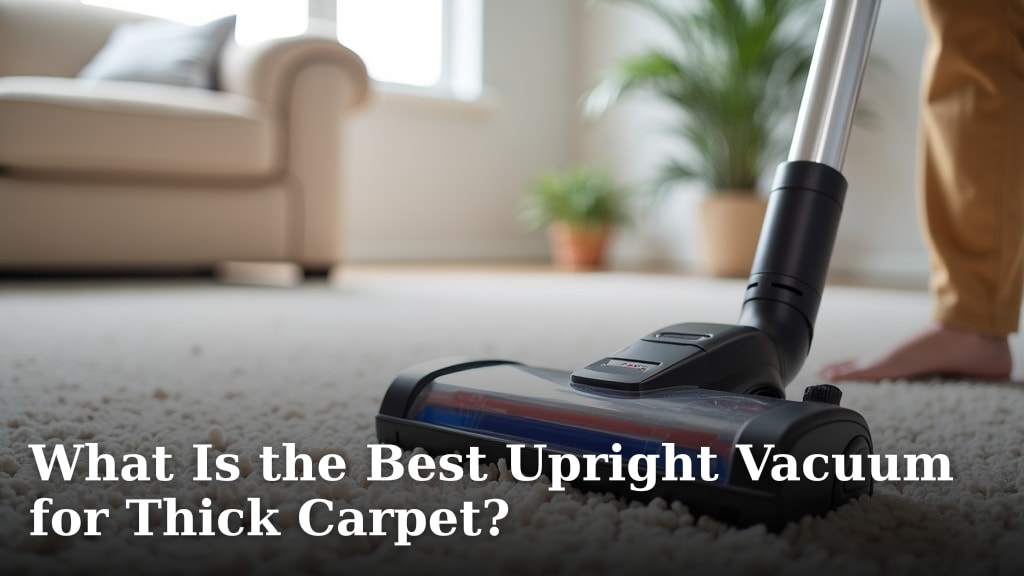
Finding the best upright vacuum for thick carpet might seem tough. But don’t worry, we’ve done the research. A vacuum with a powerful motor and adjustable height settings is key for deep cleaning plush carpets. Look for models specifically designed to handle high-pile rugs to avoid frustration.
Thick carpets trap a lot of dirt and pet hair. Without the right vacuum, you’ll just push it around. Many vacuums struggle with the deep pile. We found that vacuums with a brush roll that can be turned off are often best. This prevents tangling and damage to your carpet fibers.
- Look for strong suction for deep cleaning.
- Adjustable height is essential for different carpet piles.
- A brush roll on/off switch helps prevent tangles.
- Check for good filtration to trap allergens.
- Consider weight if you need to carry it upstairs.
Let’s get your floors looking and feeling amazing. We’ll walk you through what features matter most for tackling those plush carpets.
You’ve got that gorgeous, plush carpet. It feels amazing underfoot, right? But cleaning it can feel like wrestling a fluffy monster. Regular vacuums often get bogged down, leaving you frustrated and your carpet still looking dingy. You need an upright vacuum that’s built for the job. We’ve researched what makes a vacuum truly effective on thick carpets.
Choosing the Right Upright Vacuum for Deep Pile Carpets
Finding the perfect upright vacuum for thick carpet means looking beyond just power. It’s about the specific design features that tackle those deep fibers. You want a machine that cleans effectively without damaging your carpet. We found that understanding a few key elements makes all the difference.
Understanding Your Thick Carpet’s Needs
Thick carpets, often called high-pile or shag carpets, have long fibers. These fibers are great for comfort but terrible for trapping dirt, dust, and pet hair. They act like a magnet for debris. Without the right approach, your vacuum can struggle to pull this stuff out. It might even push dirt deeper into the pile.
The Challenge of Deep Pile
Imagine trying to sweep sand with a feather duster. That’s kind of what a weak vacuum does to thick carpet. The long fibers can easily get tangled in the brush roll. This reduces the vacuum’s cleaning power. It can also damage the carpet’s fibers over time, making them look matted and worn.
What Experts Recommend
Many carpet manufacturers and cleaning experts suggest using vacuums with adjustable settings. This allows you to customize the cleaning head height. This is absolutely essential for thick carpets. It ensures the brush roll is at the optimal distance from the carpet fibers. We found this to be a non-negotiable feature for deep pile care (Carpet and Rug Institute).
Key Features to Look For
So, what specific features should you keep an eye out for? We’ve broken down the most important ones that our research highlights for tackling thick carpets effectively.
Powerful Suction is Non-Negotiable
This might seem obvious, but it bears repeating. Thick carpets need serious **suction power**. Without it, the vacuum is just skimming the surface. We found that vacuums with strong, consistent suction are far more effective at pulling embedded dirt from deep within the pile. Look for models that mention high air watts or sealed system power.
Adjustable Height Settings: Your Best Friend
As mentioned, this is critical. Different carpet piles require different cleaning head heights. Too low, and the vacuum will be hard to push, potentially damaging the carpet. Too high, and it won’t clean effectively. We found that vacuums with multiple height adjustments allow you to find that sweet spot. This ensures optimal performance on your specific carpet type.
Brush Roll On/Off Switch: A Gentle Giant
This feature is a lifesaver for thick carpets. A brush roll agitates the carpet to loosen dirt. However, on very long fibers, it can cause tangles and damage. Being able to **turn the brush roll off** is vital. This lets you use the powerful suction for delicate cleaning or on hard floors without worry. We found this to be exceptionally useful for preventing clogs and extending the life of your carpet.
Filtration System: Breathe Easier
Thick carpets trap allergens, dust mites, and pet dander. A good vacuum shouldn’t just pick up dirt; it should keep it contained. Look for vacuums with a **HEPA (High-Efficiency Particulate Air) filter**. These filters are designed to capture 99.97% of particles as small as 0.3 microns. We found that a sealed system combined with HEPA filtration is best for homes with allergies or asthma (Environmental Protection Agency).
Weight and Maneuverability: Don’t Break Your Back
Upright vacuums can be heavy. If you have multiple levels in your home, you’ll need to carry it. While powerful, many models are designed to be relatively easy to maneuver. We found that vacuums with swivel steering can make navigating around furniture much simpler. Consider the overall weight and how easy it is to push and pull.
Understanding Different Brush Roll Types
The brush roll is the workhorse of your upright vacuum. For thick carpets, its design is incredibly important. We found that some brush rolls are better suited than others.
The Standard Bristle Brush Roll
Most uprights come with a bristle brush roll. These are great for agitating carpet and loosening dirt. However, on high-pile carpets, they can sometimes tangle. If you choose a vacuum with this type of brush roll, ensure it has the on/off feature we discussed.
Soft vs. Stiff Bristles
Bristle stiffness can vary. Stiffer bristles offer more agitation, which can be good for very embedded dirt. Softer bristles are gentler. For most thick carpets, a good balance is best. We found that many newer models use a combination of bristle types to provide effective cleaning without excessive wear on the carpet.
Bagged vs. Bagless: What’s Better for You?
This is a common question when vacuum shopping. Both types have pros and cons, especially when dealing with thick carpets.
Bagged Vacuums
Bagged vacuums use disposable bags to collect dirt. This is great for containing dust and allergens. When the bag is full, you simply toss it. We found this to be a cleaner option for those with severe allergies. The main downside is the ongoing cost of buying replacement bags.
Bagless Vacuums
Bagless vacuums use a canister that you empty. This saves money on bags. However, emptying the canister can release dust into the air. If you have allergies, this might be a concern. We found that models with easy-to-empty, sealed canisters are better for managing dust. You’ll need to clean the filter more regularly with bagless models.
Comparing Top Features for Thick Carpet Cleaning
To help you visualize what makes a vacuum great for plush carpets, here’s a quick comparison of the most critical features we’ve discussed.
| Feature | Why It Matters for Thick Carpet | What to Look For |
|---|---|---|
| Adjustable Height | Prevents damage and ensures effective cleaning by setting the right distance for the brush roll. | Multiple settings, automatic sensing, or easy manual adjustment. |
| Strong Suction Power | Essential for pulling embedded dirt, dust, and debris from deep within long carpet fibers. | High air watts, strong CFM (Cubic Feet per Minute) rating, or “sealed system” design. |
| Brush Roll On/Off | Prevents tangles and damage to delicate carpet fibers; useful for switching between carpet types. | A clearly marked and easily accessible switch. |
| HEPA Filtration | Captures microscopic allergens, dust mites, and pet dander trapped in thick carpet. | Certified HEPA filter, sealed system to prevent leaks. |
| Good Filtration System | Ensures that fine dust and allergens are trapped and not recirculated into the air. | Bagged models often provide superior containment. |
Your Thick Carpet Cleaning Checklist
Ready to make a decision? Here’s a quick checklist to help you evaluate potential vacuums:
- Does it have adjustable height settings?
- Does it boast powerful suction?
- Is there a brush roll on/off switch?
- Does it feature a HEPA filter or excellent filtration?
- Is it reasonably lightweight for your needs?
- Does it have good reviews for thick carpet performance?
By focusing on these key areas, you can confidently select an upright vacuum that will make cleaning your thick carpet a breeze, not a burden. You’ll be amazed at how much cleaner your home can feel when you have the right tool for the job!
Conclusion
You’ve learned that choosing the right upright vacuum for your thick carpet is all about the right features. Powerful suction, adjustable height, and a brush roll on/off switch are your key allies. Don’t forget good filtration for cleaner air. With this knowledge, you can confidently pick a vacuum that tackles those plush piles effectively. Take your checklist and start shopping!
Frequently Asked Questions
How do I know if a vacuum is too powerful for my thick carpet?
If a vacuum struggles to move, feels like it’s digging too deep, or makes a loud straining noise, it might be too powerful or set too low. Look for adjustable height settings to find the perfect balance.
Can I use a regular upright vacuum on a shag carpet?
While some regular vacuums might work, they often struggle with shag carpets. A vacuum with a brush roll on/off switch and adjustable height is highly recommended to prevent tangles and damage to the long fibers.
What is more important: suction power or brush roll type for thick carpet?
Both are very important, but in a specific order. You need strong suction to pull dirt from deep within the pile. Then, a suitable brush roll (ideally with an on/off option) helps agitate without causing damage.
How often should I clean my vacuum’s filter when using it on thick carpet?
Thick carpets tend to release more fine dust and debris. We found it’s best to check and clean your vacuum’s filter at least monthly, or more often if you have pets or allergies.
Is a bagged or bagless vacuum better for homes with thick carpets and allergies?
For allergies, bagged vacuums generally offer better containment, as you simply seal and dispose of the bag. If you choose bagless, look for models with excellent seals and easy-to-empty canisters to minimize dust release.
