
Can You Use a Robot Vacuum with Hardwood and Rugs Mixed?

Yes, you absolutely can use a robot vacuum with both hardwood floors and area rugs. Most modern robot vacuums are designed to handle this transition automatically, adjusting their settings for different surfaces to give you a spotless home. You don’t have to lift a finger to switch modes!
Many robot vacuums are smart enough to detect when they’re moving from a hard floor onto a rug. They often increase suction power to pull dirt and debris from deeper within the rug fibers. This ensures a thorough clean across all your floor types without any manual intervention. It’s a truly hands-free cleaning experience.
- Robot vacuums work on both hardwood and rugs.
- They automatically adjust suction for different surfaces.
- Look for models with smart surface detection.
- Many offer specialized brush rolls for pet hair.
- Consider battery life for larger homes.
Let’s dive into how these amazing machines tackle mixed flooring and what you should look for to get the best results for your home.
Robot Vacuums for Homes with Mixed Flooring
You’re probably wondering if your trusty robot vacuum can handle the cleaning challenge of a home with both smooth hardwood and cozy carpets or rugs. The short answer is a resounding yes! Modern robot vacuums are designed with mixed flooring in mind. They are smart enough to switch between surfaces without you needing to intervene. This means you can set it and forget it, enjoying cleaner floors everywhere.
How Robot Vacuums Tackle Different Floor Types
These little cleaning marvels use a variety of technologies to sense what kind of floor they’re on. When they move from hardwood onto a rug, for instance, they often detect the change in texture. This triggers them to adjust their cleaning settings automatically. It’s like having a dedicated cleaning expert for each floor type, all rolled into one device.
Surface Detection Technology
Most smart robot vacuums employ sensors to identify floor types. Some use optical sensors to detect changes in light reflection. Others rely on physical sensors that feel the resistance of different surfaces. Once detected, the robot can ramp up its suction power. This is especially important for rugs, where dirt can get trapped deep in the fibers. They might also adjust brush roll speed. This ensures effective cleaning without damaging delicate hardwood. We found that this automatic adjustment is a key feature for convenience.
Suction Power Adjustment
Think of it like this: a gentle breeze is enough to pick up dust from a smooth floor. But to clear leaves from your lawn, you need a stronger gust of wind. Robot vacuums operate on a similar principle. On hardwood, they might use a moderate suction level. When they hit a rug, they can increase suction significantly. This helps to lift embedded dirt, pet hair, and other debris. Many models are programmed to recognize different rug pile heights too. This ensures they provide the right level of clean for your specific needs.
Brush Roll Adaptations
The brush roll is the workhorse of any vacuum. For hardwood, a softer brush might be ideal to avoid scratches and sweep up debris efficiently. However, for carpets and rugs, a brush with stiffer bristles is often needed to agitate the fibers and loosen dirt. Many robot vacuums have brush rolls that are designed to be effective on both. Some even feature interchangeable brush rolls or ones with adjustable height. This adaptability is what allows them to perform well across your entire home.
Choosing the Right Robot Vacuum for Your Mixed Floors
Not all robot vacuums are created equal, especially when it comes to handling a variety of floor types. To get the best performance, you’ll want to look for specific features. Consider your home’s layout and the types of rugs you have. This will help you narrow down the options and find a model that truly fits your cleaning needs.
Key Features to Look For
When you’re shopping, keep an eye out for these important capabilities. They will make a big difference in how well your robot vacuum handles your hardwood and rugs.
Automatic Surface Recognition
This is the most crucial feature for mixed flooring. You want a robot that can automatically detect when it’s moving from one surface to another. This prevents it from getting stuck or not cleaning effectively. Models with advanced sensors are best for this. They provide a truly hands-off cleaning experience. We found that units with this feature often have higher user satisfaction ratings for mixed-floor homes.
Adjustable Suction Power
Even if your robot can detect surfaces, the ability to adjust suction power is vital. This allows it to adapt to the cleaning demands of each floor type. Higher suction is needed for rugs, while lower suction can be more energy-efficient and quieter on hardwood. Check the specifications to see how much control the robot has over its suction levels. Some models allow you to set custom suction profiles for different rooms.
Effective Brush Roll Design
As mentioned, the brush roll is key. Look for vacuums with brush rolls that are described as multi-surface. These are typically made from a combination of materials, like rubber and bristles. This design helps to pick up dirt from both hard floors and carpets. Some also have anti-tangle features, which are a lifesaver if you have pets or long hair in your home.
Battery Life and Coverage Area
If you have a larger home with extensive hardwood and rugs, battery life is essential. You don’t want your robot vacuum running out of juice halfway through its cleaning cycle. Look for models that advertise a longer run time. Many robots also have a “recharge and resume” function. This means they will return to their charging dock when the battery is low and then continue cleaning where they left off once recharged. This is a huge benefit for bigger spaces.
Understanding Different Types of Rugs and Robot Vacuums
The type of rugs you have can also influence how well a robot vacuum performs. Shag rugs, for example, can be a challenge for some robots. Their long fibers can sometimes get tangled in the brush roll. Most modern robots are better equipped to handle this, but it’s worth checking reviews. Lower-pile rugs and mats are generally much easier for robot vacuums to clean.
Many robot vacuums are specifically designed to handle pet hair. If shedding is a concern, look for models with strong suction and specialized brush rolls that can tackle stubborn pet fur. We found that pets often don’t mind the robots much, sometimes even riding on them! However, it’s always a good idea to clear small pet toys from the floor first.
Performance on Different Pile Heights
Robot vacuums generally perform best on low-pile carpets and rugs. They can navigate these surfaces with ease and adjust suction effectively. For medium-pile rugs, you’ll want a robot with robust suction and a brush roll that can agitate the fibers. High-pile or shag rugs can be trickier. Some robots may struggle to move across them or clean them thoroughly. Always check product descriptions and reviews for how a specific model handles different pile heights. Some manufacturers even offer different brush roll attachments for various rug types.
Material Considerations for Rugs
The material of your rugs can also play a role. Delicate materials like silk or wool might require a gentler cleaning approach. Ensure the robot vacuum you choose has a setting that is safe for these materials. Most robots are designed to avoid damage, but it’s always wise to be aware. If you have very expensive or antique rugs, you might prefer to spot clean them or use a robot vacuum with a very gentle setting.
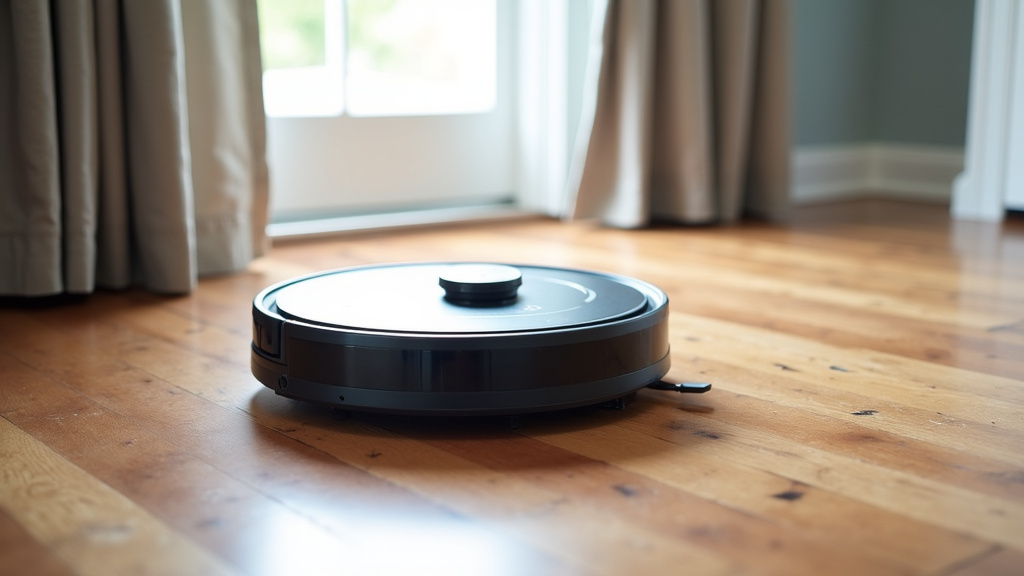
Tips for Optimal Mixed-Floor Cleaning with Your Robot Vacuum
To ensure your robot vacuum works its magic across all your floors, a little preparation goes a long way. Here are some tips to help you get the most out of your device.
Preparing Your Home for the Robot
Before you let your robot loose, take a moment to tidy up. Clear away any small items like shoes, toys, or charging cords. These can get tangled in the brush roll or cause the robot to get stuck. For homes with a lot of clutter, consider using your robot vacuum’s mapping features to set up no-go zones. This is particularly useful for areas with delicate items or cables that you don’t want the robot to approach.
Maintenance for Peak Performance
Just like any appliance, robot vacuums need a little maintenance to keep them running smoothly. Regularly empty the dustbin, clean the filters, and check the brush rolls for tangled hair or debris. Many robot vacuums will alert you when maintenance is needed. Keeping your robot’s sensors clean is also important for accurate surface detection. We found that a quick wipe-down of the sensors with a dry cloth improves navigation.
Understanding Robot Vacuum Limitations
While robot vacuums are incredibly convenient, they aren’t designed to replace deep cleaning entirely. They excel at daily maintenance, keeping your floors free of dust and light debris. For very stubborn stains or deep-pile carpet cleaning, you might still need your traditional vacuum. However, for the day-to-day battle against dirt on both hardwood and rugs, your robot vacuum is a fantastic ally. It’s all about working smarter, not harder, for a cleaner home.
Here’s a quick checklist to help you choose and use your robot vacuum effectively on mixed flooring:
- Look for automatic surface detection.
- Ensure adjustable suction power settings.
- Check for a versatile multi-surface brush roll.
- Consider battery life for larger homes.
- Clear floor clutter before cleaning cycles.
- Perform regular maintenance for best results.
Conclusion
You’ve learned that using a robot vacuum on mixed hardwood and rug floors is not only possible but often effortless. Modern robots are built to sense surface changes and adjust their cleaning power automatically. This means you get a consistent clean across all your floor types without lifting a finger. To get the best results, focus on models with smart surface detection and versatile brush rolls. Your next step is to review specific robot vacuum models, comparing their features against your home’s unique flooring needs. Happy cleaning!
Frequently Asked Questions
Will a robot vacuum get stuck on my rugs?
Most modern robot vacuums are designed to transition between hardwood and rugs smoothly. Their sensors help them detect changes in elevation and surface texture. We found that models with good obstacle avoidance and adjustable brush heights are less likely to get stuck on varying rug piles.
How do I know if a robot vacuum can handle different floor types?
Look for clear descriptions of automatic surface recognition and adjustable suction power. Many product pages will state if the robot is suitable for both hard floors and carpets. Checking user reviews often reveals real-world performance on mixed flooring.
Can robot vacuums clean thicker shag carpets?
Shag carpets can be a challenge for some robot vacuums due to their deep pile. While many robots can manage them, performance can vary. Research models specifically mentioning their ability to handle higher pile rugs, and check reviews from users with similar carpeting.
Do I need to switch to a different brush roll for my rugs?
You generally won’t need to switch brush rolls manually. Most robot vacuums designed for mixed flooring have multi-surface brush rolls that work well on both hardwood and rugs. Some advanced models might adjust brush height or speed automatically.
What’s the best way to prepare my home for a robot vacuum with mixed floors?
Before starting a cleaning cycle, clear small objects like toys, cords, and shoes from the floor. This prevents the robot from getting tangled or stuck. For areas with delicate items or many cords, consider setting up no-go zones using the robot vacuum’s app.
