
Why Is My Vacuum Roller Brush Jammed?
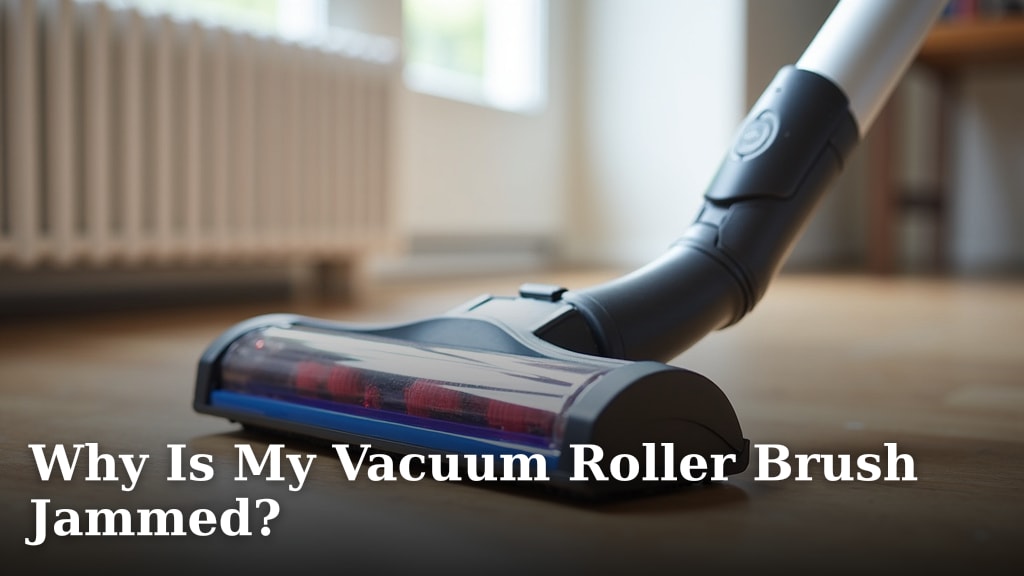
Your vacuum roller brush is likely jammed because of a buildup of tangled hair, fibers, and debris. This can happen easily, especially if you have pets or frequently vacuum carpets. A jammed brush means your vacuum can’t effectively clean your floors, and it might even damage the motor if left unaddressed. We found that clearing this blockage is usually a straightforward fix. If your vacuum roller brush is jammed, understanding why your brush roll not spinning is the first step to fixing it.
Understanding why your roller brush gets stuck is key to preventing future issues. Common culprits include long hair, threads from rugs, and even small objects like coins or paper clips. Regularly cleaning your roller brush is one of the best ways to ensure your vacuum runs smoothly and efficiently. It’s a small step that makes a big difference in your vacuum’s performance.
- Hair, string, and pet fur are the main culprits.
- Small objects can also cause a jam.
- Regular cleaning prevents future blockages.
- A jammed brush reduces cleaning power.
Let’s walk through exactly how to identify and fix a jammed vacuum roller brush so you can get back to a sparkling clean home.
Troubleshooting a Stuck Vacuum Roller Brush
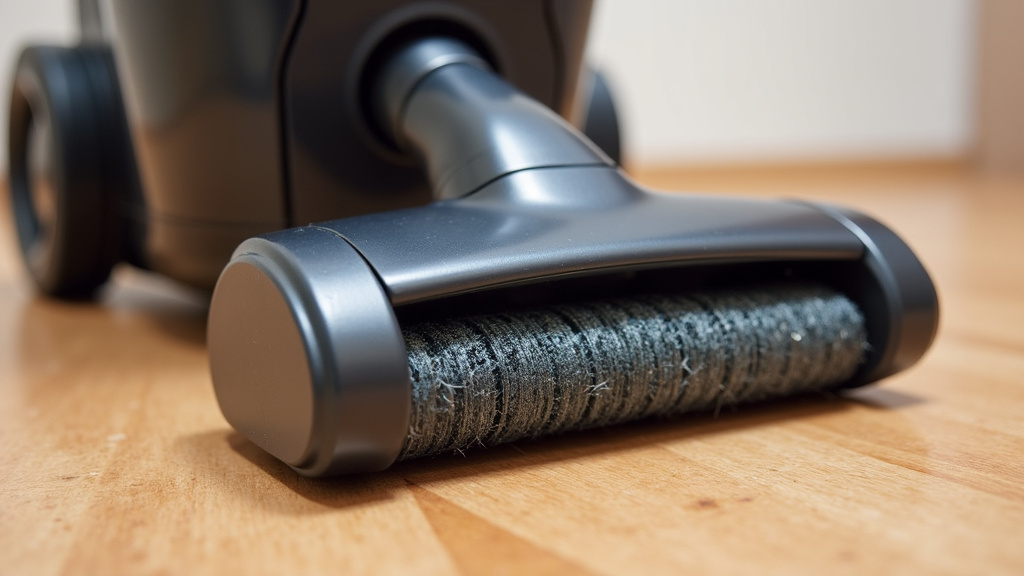
A jammed vacuum roller brush is a common frustration for many homeowners. It usually means your vacuum isn’t cleaning as well as it should. This problem often pops up when your vacuum picks up more than just dust. Think long hair, pet fur, threads from carpets, or even small fallen objects. When these items get tangled tightly around the brush, they can stop it from spinning. We found that addressing this jam is often a straightforward repair you can do yourself.
Common Reasons Your Brush Roll Gets Stuck
The most frequent culprits are simple household debris. Hair, especially long hair from people or pets, is a major offender. It wraps around the brush bristles and shafts, creating a sticky mess. Threads from rugs and carpets can do the same thing. They catch on the spinning brush and get pulled in. Small, hard objects like coins, paper clips, or even small toy pieces can also wedge themselves in. These items can physically block the brush from turning. We found that the type of flooring you have can also play a role. Carpets tend to snag more fibers and hair than hard floors.
Let’s break down the most common culprits:
- Hair: Human and pet hair is notorious for wrapping around brush rolls.
- Fibers and Threads: Loose threads from carpets or clothing can get caught.
- Small Debris: Items like coins, buttons, or staples can jam the mechanism.
- Large Chunks: Sometimes, a larger piece of debris like a sock or a toy can get lodged.
Steps to Safely Disconnect and Inspect Your Vacuum
Before you start, always make sure your vacuum is unplugged. This is a critical safety step to prevent accidental start-ups. You don’t want the brush to spin while your fingers are near it. Many vacuums have a locking mechanism for the brush head. Check your manual to see if yours does. Some may need a specific tool to release the head. We found that knowing your vacuum model makes this process much easier.
Preparing Your Vacuum for Inspection
First, turn the vacuum cleaner over so you can easily access the bottom where the roller brush is located. You’ll likely see the brush through a clear window or cover. If your vacuum has a removable brush head or a cover plate, you may need to detach that. Many models use small screws or clips for this. A basic screwdriver set is usually all you need. We recommend having a small bowl or container nearby to keep any screws you remove organized.
Identifying the Jam Point
Once you have access to the roller brush, take a close look. Spin the brush manually with your fingers. Does it move freely, or does it feel stiff and resistant? If it resists movement, the jam is likely caused by something wrapped tightly around the bristles or stuck in the bearing on either end. You might be able to see hair or fibers wound around the shaft. Sometimes, a larger object is clearly visible and obstructing the movement. We found that good lighting is incredibly helpful here. A flashlight can illuminate dark corners where debris hides.
Clearing the Blockage: Tools and Techniques
Clearing a jammed brush roll is usually not complicated. The key is to remove whatever is preventing the brush from spinning. Patience is important here. You want to avoid damaging the brush or the vacuum housing.
Essential Tools for the Job
You won’t need a lot of fancy equipment. Most likely, you already have these items at home:
- Scissors or a Seam Ripper: These are excellent for carefully cutting away tangled hair and fibers.
- Pliers: Useful for grasping and pulling out stubborn strands of hair or threads.
- Screwdriver Set: If your vacuum has removable covers or brush heads, you’ll need these.
- Gloves: For hygiene, especially if you have pets or are dealing with a lot of dust.
We found that having a small, flathead screwdriver or a butter knife can also be helpful for gently prying away debris without scratching surfaces.
The Step-by-Step Clearing Process
Start by using your scissors or seam ripper to carefully cut through any hair or fibers wrapped around the brush. Work slowly and try to cut the tangled material away from the brush bristles. Be cautious not to cut the bristles themselves. If you find a larger object, like a coin or a toy, try to dislodge it with your fingers or use pliers to grip and remove it. Pay close attention to the ends of the brush roll, where hair and debris often accumulate. Many experts say that cleaning these ends thoroughly is often overlooked but vital (Cleveland Clinic).
After removing the visible obstructions, try spinning the brush again. Does it move more freely? If it still feels stiff, there might be more debris hidden. You may need to remove the brush roll entirely from the vacuum cleaner for a deeper clean. Consult your vacuum’s manual for specific instructions on how to do this. We found that a clean brush roll spins with minimal effort.
What If the Brush Roll Won’t Come Out?
Some vacuum models make removing the brush roll more challenging. If you’ve unscrewed everything you can and it still won’t budge, double-check your vacuum’s manual. There might be a hidden clip or a specific way to lift it out. Force is rarely the answer. If you’re struggling, it’s better to stop and seek help from the manufacturer or a professional. We found that forcing a component can lead to more expensive repairs.
Preventing Future Roller Brush Jams
Once your roller brush is clean and spinning freely, you’ll want to keep it that way. Prevention is key to maintaining your vacuum’s performance. A little regular maintenance can save you a lot of headaches later on. Many sources suggest a weekly check-up is ideal.
Routine Cleaning Habits
Make it a habit to do a quick visual check of your vacuum’s brush roll after each major cleaning session. If you see hair or fibers starting to build up, take a minute to remove them. This simple action prevents small tangles from becoming major jams. It’s like brushing your teeth; a little bit every day keeps the cavities away.
Best Practices for Different Homes
If you have pets that shed a lot, you might need to clean the roller brush more frequently. Consider investing in a vacuum designed for pet hair, as these often have features to reduce tangling. For homes with long-haired residents, regular de-tangling is crucial. We found that for homes with mostly carpets, vacuuming slowly and making sure the brush has enough time to pick up debris effectively can help.
When to Consider Professional Help
While most jams are DIY fixes, there are times when you might need professional assistance. If you suspect a mechanical issue beyond simple debris, like a damaged motor or belt, it’s best to consult a repair shop. If your vacuum is still under warranty, contact the manufacturer before attempting any repairs. We found that sometimes, a technician can spot problems you might miss.
Checklist for a Jam-Free Vacuum Roll
Keep this simple checklist handy to ensure your vacuum roller brush stays clear and functional:
- Unplug Before You Touch: Always disconnect power before inspecting or cleaning.
- Visual Check: Briefly look at the brush roll after each use.
- Quick Detangle: Remove visible hair or fibers immediately.
- Deep Clean Regularly: Dedicate time for a thorough cleaning every few weeks.
- Know Your Manual: Keep your vacuum’s instruction booklet handy for specific guidance.
- Listen to Your Vacuum: Unusual noises can signal a problem with the brush roll.
Conclusion
You’ve learned that a jammed vacuum roller brush is usually caused by tangled hair, fibers, or small debris. By taking a few simple steps, you can often clear the blockage yourself. Remember to always unplug your vacuum before you begin any inspection or cleaning. Regularly checking and cleaning your brush roll is the best way to prevent future jams and keep your vacuum running efficiently. Take a few minutes after your next vacuuming session to give your roller brush a quick look, and you’ll be on your way to a cleaner home with less hassle.
Frequently Asked Questions
How often should I clean my vacuum roller brush?
We recommend doing a quick visual check after each use, especially if you have pets or long hair. A more thorough cleaning to remove tangled debris should be done every few weeks, or whenever you notice a decrease in cleaning performance. This regular maintenance helps prevent serious jams.
What if I can’t cut the tangled hair easily?
If the hair is severely tangled and difficult to cut, try using pliers to grip and pull out stubborn strands after you’ve made some initial cuts. A seam ripper or a small hook can also be helpful for gently teasing out debris from around the bristles. Patience is key here to avoid damaging the brush.
Can a jammed brush roll damage my vacuum cleaner?
Yes, a consistently jammed brush roll can put a strain on your vacuum’s motor. The motor may overheat trying to turn a stuck brush, potentially leading to more serious damage over time. Addressing the jam promptly is important for the longevity of your vacuum.
My vacuum smells bad after clearing the jam, what can I do?
A bad smell often comes from trapped debris, dust, and hair that have started to decompose or harbor bacteria. After clearing the jam, try cleaning the brush roll and the surrounding area with a damp cloth and a mild soap. Ensure everything is completely dry before reassembling and using the vacuum.
Is it normal for some debris to get stuck in my roller brush?
It’s normal for some minor hair or fiber accumulation over time, especially with pets or carpets. However, if the brush stops spinning freely, or if you have to force it, that’s not normal. Significant buildup or lodged objects indicate a jam that needs immediate attention to maintain optimal vacuum function.
