Do You Need a Special Vacuum for Hardwood Floors?
No, you do not always need a special vacuum for hardwood floors, but having one can certainly make a big difference. While many vacuums can clean wood surfaces, a dedicated hardwood floor vacuum offers features that protect your beautiful floors and clean them more effectively. The right tool prevents scratches and truly gets rid of dust.
You might be wondering if your current vacuum is good enough. We found that standard vacuums often come with attachments that are safe for hardwood, like soft brushes. However, some common vacuum types, especially those with aggressive beater bars, can actually harm your floors over time. Protecting your investment means choosing wisely.
TL;DR:
- Many vacuums can clean hardwood, but specialized ones are better.
- Dedicated vacuums prevent scratches and clean thoroughly.
- Look for soft brushes and gentle suction.
- Avoid harsh beater bars.
- It’s about protecting your floor’s finish.
Let’s dive into why a specific vacuum can be beneficial and what features you should look for to keep your hardwood floors looking pristine.
Understanding Vacuum Needs for Your Hardwood Floors
You don’t always need a special vacuum, but certain features make a big difference for hardwood. Using the right one protects your floors and cleans them better.
Many people wonder if their existing vacuum is enough. We found that while some standard vacuums can work, others might cause damage. It’s all about understanding what makes a vacuum safe and effective for wood.
The Risks of Using the Wrong Vacuum
Using the wrong vacuum on your hardwood floors can lead to problems. You might not see the damage right away. But over time, it can accumulate.
One major risk is scratches. Hard plastic wheels or stiff bristles can leave tiny marks. These marks dull your floor’s finish over years of cleaning.
Another issue is suction power. Too much suction with the wrong attachment can sometimes pull up loose floorboards. Too little leaves dirt behind. This dirt then acts like sandpaper under your feet.
Beater Bars and Their Impact
The most common culprit for hardwood floor damage is the beater bar. This rotating brush is designed to agitate carpets. It helps lift dirt and pet hair from carpet fibers.
On hardwood, however, a beater bar can be very abrasive. It can scratch and dull the finish. We found that continuous use of a spinning beater bar directly on wood floors will cause visible damage. Think of it like scrubbing your floor with a stiff brush daily. Over time, it takes its toll.
Many experts recommend disabling or avoiding beater bars on hard surfaces. Some vacuums offer an option to turn it off. If yours doesn’t, you might need a different solution for your wood floors.
What Makes a Vacuum “Hardwood Friendly”?
A vacuum that’s friendly to hardwood floors has specific design elements. These features prioritize both cleaning performance and floor protection. You want a vacuum that picks up debris without harming the surface.
The key is gentle yet effective cleaning. It should remove dirt, dust, and pet hair. But it should do so without scratching or dulling the finish. We looked at many models to identify these crucial characteristics.
Soft Brushes and Wheels
The first thing to look for is soft brush rolls. These are often made of felt or very fine, soft bristles. They sweep debris into the vacuum without scraping the floor.
Equally important are rubberized wheels. Hard plastic wheels can leave marks, especially on softer wood types. Rubber wheels glide smoothly and prevent scratches. It’s a small detail, but it makes a big difference for your floor’s longevity.
Adjustable Suction Power
Your vacuum should have adjustable suction settings. This allows you to reduce power for delicate floors. High suction is great for carpets but can be too much for hardwood. Lower suction helps prevent accidental scratching from debris being dragged. It also helps preserve the finish.
Types of Vacuums and Their Suitability for Hardwood
Not all vacuums are created equal when it comes to hardwood. Some are excellent, while others should be avoided. Let’s look at the common types you’ll find.
| Vacuum Type | Hardwood Suitability | Key Features/Considerations |
|---|---|---|
| Canister Vacuums | Excellent | Often come with specialized hardwood attachments (parquetry brushes); gentle on floors; good maneuverability. |
| Stick Vacuums | Good to Excellent | Lightweight; many have soft brush rolls or no brush roll; good for quick cleanups; some battery-operated. |
| Robot Vacuums | Good | Automated cleaning; many have soft brushes or suction-only modes; convenient for daily maintenance. |
| Upright Vacuums | Fair to Poor | Often have strong beater bars that can damage floors; heavier; look for models with “hard floor mode” or brush roll shut-off. |
| Shop Vacs | Poor | Very powerful suction, but typically lack gentle attachments for fine wood floors; best for garages or workshops. |
Canister Vacuums: Often the Best Choice
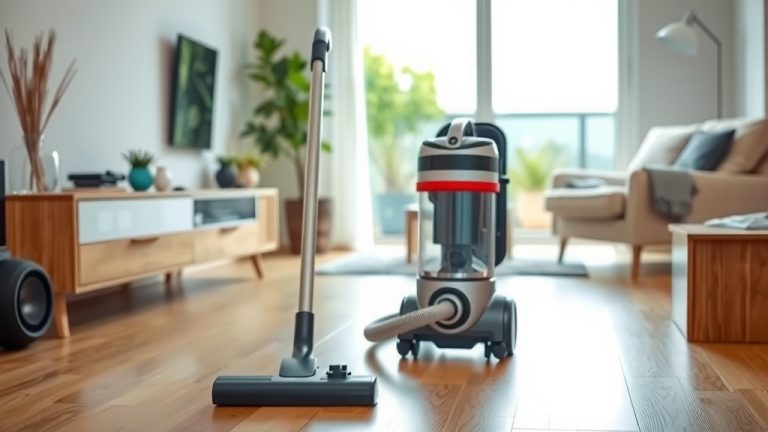
Many homeowners find canister vacuums to be ideal for hardwood. They usually come with a separate powerhead and various attachments. These attachments often include a dedicated “parquet brush” or “hard floor tool.” This tool has soft bristles designed specifically for wood.
Canister vacuums are also very maneuverable. You can easily reach under furniture and into tight spaces. The weight of the motor is in the canister, not in your hand. This makes them less tiring to use for extended periods.
Stick Vacuums: Great for Quick Cleanups
Stick vacuums are lightweight and convenient. Many modern stick vacuums come with soft roller heads. These are perfect for hardwood. They effectively pick up dust, crumbs, and pet hair without scratching.
Battery-powered stick vacuums offer cordless freedom. This makes quick daily cleanups easy. They are a popular choice for busy households with mostly hard floors. Just make sure the model you pick has a gentle brush roll or a suction-only setting.
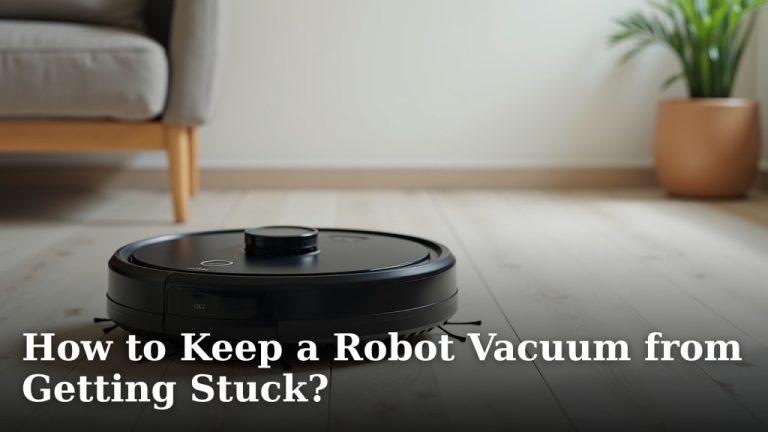
Robot Vacuums: The Automated Solution
Robot vacuums are a fantastic option for maintaining clean hardwood floors daily. Many models are designed with soft brushes or direct suction. They can prevent dust and debris from building up. This means less work for you.
They are especially good for households with pets. They can keep pet hair under control between deeper cleanings. We found that regular use of a robot vacuum can significantly reduce the amount of dust on your floors. This helps prevent scratches too.
Key Features to Look for in a Hardwood Vacuum
When you’re ready to choose a vacuum for your hardwood floors, keep these features in mind. They will help you make an informed decision. Your goal is a vacuum that cleans well and protects your investment.
- Soft Brush Roll: Look for felt-like rollers or soft, dense bristles.
- Brush Roll Shut-Off: An option to turn off the spinning brush when on hard floors.
- Rubber Wheels: To prevent scratches and scuffs.
- Adjustable Suction: Allows you to lower power for delicate surfaces.
- HEPA Filter: Traps fine dust and allergens, improving air quality.
- Lightweight Design: Makes it easier to maneuver and lift.
- Versatile Attachments: Including a crevice tool and dusting brush for corners.
Maintenance Tips for Your Hardwood Floor Vacuum
Even the best hardwood vacuum needs proper care. Regular maintenance ensures it performs well. It also extends the life of your vacuum and protects your floors.
First, regularly check the brush roll. Remove any tangled hair or debris. This keeps it spinning freely and prevents uneven wear. If the bristles look worn or stiff, it might be time for a replacement.
Secondly, clean or replace filters as recommended by the manufacturer. A clogged filter reduces suction power. This makes your vacuum less effective. We found that clean filters help maintain peak performance.
Also, inspect the wheels. Make sure they are clean and free of debris. Dirt stuck in the wheels can scratch your floor. A quick wipe down can prevent this. Treat your vacuum well, and it will treat your floors well in return.
Conclusion
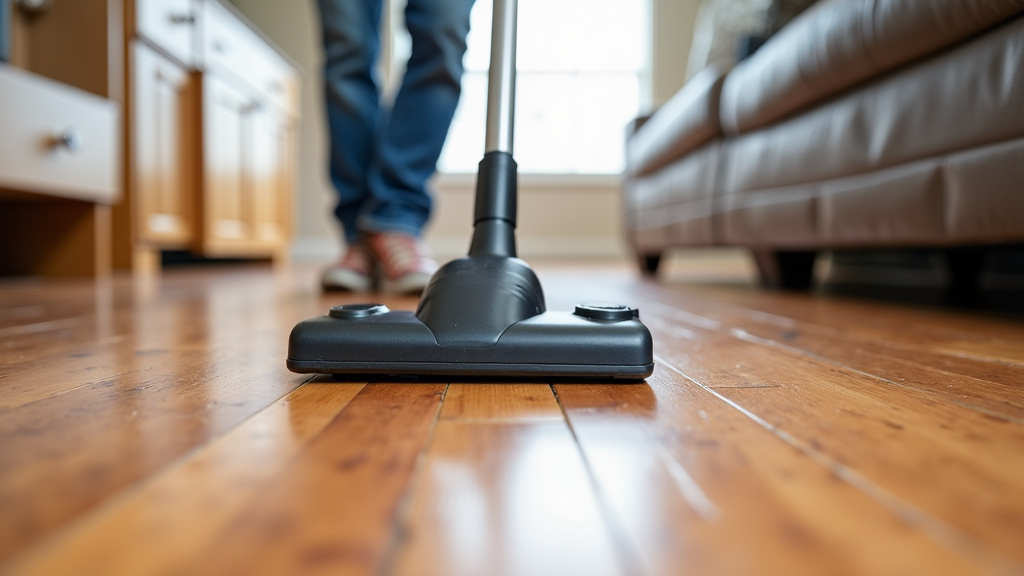
You’ve learned that while your old vacuum might get by, a vacuum designed for hardwood floors truly protects your investment. We’ve seen how features like soft brush rolls and rubberized wheels prevent scratches. Adjustable suction and specific attachments make cleaning more effective. Prioritizing these elements means you’re not just cleaning; you’re preserving the beauty and longevity of your hardwood. So, take a moment to assess your current vacuum. If it’s not hardwood-friendly, consider an upgrade to keep your floors looking their best for years to come.
Frequently Asked Questions
Is it really bad to use an upright vacuum on hardwood floors?
It can be, yes. Many upright vacuums have aggressive beater bars designed for carpets. These can scratch or dull your hardwood finish over time. If your upright doesn’t have a “hard floor” mode or a way to turn off the brush roll, it’s best to avoid using it directly on wood.
What’s the absolute minimum feature I need in a vacuum for hardwood?
The most important feature is a soft cleaning head or brush roll. This could be a felt roller, very soft bristles, or a suction-only nozzle. This ensures you pick up debris without scraping the floor. Rubberized wheels are also a big plus.
Can a regular broom be just as good as a vacuum for hardwood?
For quick surface debris, a broom is fine. However, a good vacuum with a HEPA filter captures fine dust and allergens that brooms often just push around. This makes your air quality better and prevents fine particles from scratching your floor as you walk.
How often should I vacuum my hardwood floors?
Ideally, you should vacuum your hardwood floors several times a week, especially in high-traffic areas or if you have pets. Frequent vacuuming prevents dust and grit from accumulating. This reduces the chance of tiny scratches from everyday foot traffic.
Do robot vacuums scratch hardwood floors?
Most modern robot vacuums are designed to be gentle on hardwood. Many use soft brushes or direct suction. We found they’re generally safe for daily maintenance. Just ensure the model you choose specifies it’s safe for hard floors and check reviews for any concerns about scratching.