
Can You Wash a HEPA Filter?
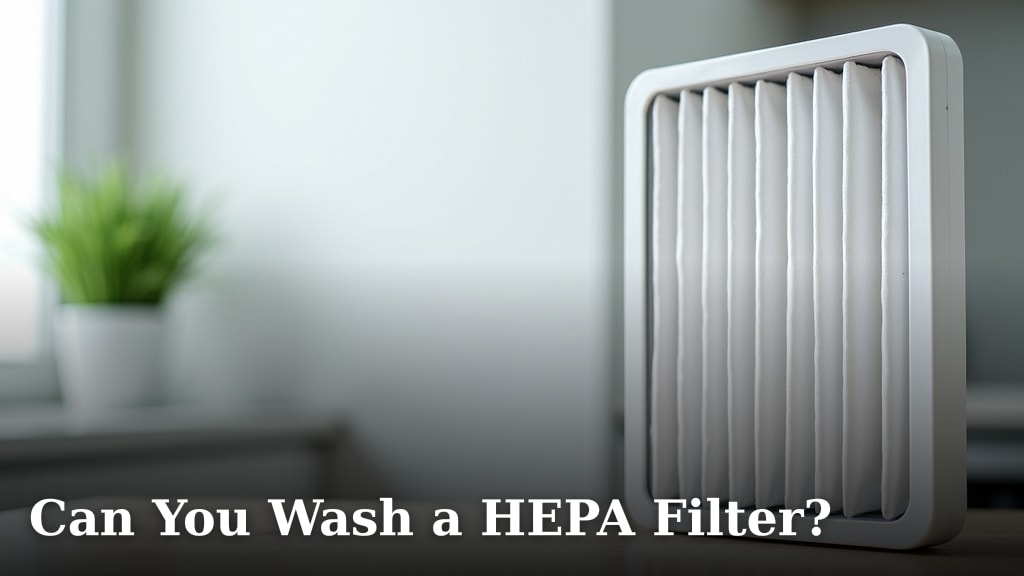
No, you generally cannot wash a HEPA filter. Washing a HEPA filter will destroy its effectiveness and can even release trapped particles back into the air. This is because HEPA filters use a dense, delicate fiber mesh to trap tiny particles.
You might be wondering if you can just rinse it off, right? We found that attempting to clean a HEPA filter with water or other liquids can damage the intricate fiber structure. This damage creates larger pores, allowing allergens and pollutants to pass right through, making your filter useless for air purification.
- Most HEPA filters are not washable.
- Washing damages the filter’s fine fibers.
- Damaged filters stop trapping particles effectively.
- Always check your specific filter’s instructions.
Let’s walk through exactly why washing a HEPA filter is a bad idea and what you should do instead to keep your air clean and fresh.
Why Washing HEPA Filters Doesn’t Work
You might think a quick rinse would do the trick, right? We understand the desire to save money and extend the life of your filter. However, we found that washing a HEPA filter actually destroys the very thing that makes it effective. It’s not just about getting it wet; it’s about what happens to the filter’s structure.
HEPA stands for High-Efficiency Particulate Air. These filters are designed to capture at least 99.97% of airborne particles that are 0.3 micrometers in size. How do they do this? Through a delicate web of fibers.
The Microscopic Structure of HEPA
Imagine a spiderweb, but one so fine it can catch invisible dust and allergens. That’s essentially what a HEPA filter is. It’s made of a mat of randomly arranged fibers, usually fiberglass, that are incredibly thin.
When you introduce water to this fragile network, especially with the force of a faucet, those fibers get damaged. They can separate, break, or clump together. This creates larger gaps in the filter material. Think of it like tearing holes in that spiderweb.
Once these gaps appear, the tiny particles that the filter was designed to trap can simply pass right through. Your “cleaned” filter is now practically useless for air purification. You’re no longer getting clean air.
Beyond Water: The Risk of Releasing Particles
Even if washing didn’t damage the fibers, there’s another major concern. HEPA filters hold onto everything they capture: pet dander, pollen, dust mites, mold spores, and even bacteria and viruses (EPA). When you wash a filter, all those trapped particles become suspended in the water.
This means you’re creating a liquid cocktail of allergens and pollutants. Then, as the filter dries, or if you squeeze it, these particles can be released back into your home’s air. You could actually be making your air quality worse, not better.
Identifying Washable vs. Non-Washable Filters
While the general rule is “don’t wash HEPA filters,” some manufacturers offer specialized filters that can be rinsed. How do you tell the difference? It’s crucial to know what kind you have.
Always check the user manual or product label that came with your air purifier or HVAC system. This is your best source of information. Manufacturers will clearly state if a filter is designed to be washed or if it requires replacement.
Look for Specific Markings
- “Washable” or “Rinseable” label: Some filters will explicitly say they can be washed. These are usually a different type of filter, not a true HEPA, or a pre-filter designed to capture larger particles.
- “Do Not Wash” or “Replace Only” label: If you see these warnings, take them seriously.
- Material Type: True HEPA filters are typically made of pleated paper-like material or fiberglass. These are almost always non-washable.
Understanding “Permanent” Filters
Sometimes you’ll see filters marketed as “permanent” or “lifetime.” These can be confusing. We found that “permanent” often means the outer frame is reusable, but the filter media inside still needs replacement or is designed for very gentle rinsing, usually not actual HEPA media.
Always double-check the fine print. A “permanent” filter for an HVAC system might be an electrostatic filter, not a HEPA. These filters work differently and can sometimes be rinsed.
Proper Maintenance for Non-Washable HEPA Filters
Since washing is out, what should you do to keep your non-washable HEPA filter working effectively? The answer is simple: regular replacement. Think of your filter like a sponge absorbing dust; once it’s full, it can’t absorb any more.
When to Replace Your HEPA Filter
The replacement schedule varies depending on several factors:
- Manufacturer’s Guidelines: This is your primary guide. Many air purifiers have indicator lights that tell you when it’s time.
- Usage: If your air purifier runs 24/7, it will need replacement more often.
- Air Quality: Homes with pets, smokers, or high pollen counts will clog filters faster.
- Visible Dirt: A heavily discolored or dusty filter is a clear sign it’s time for a change.
Typically, HEPA filters in air purifiers last anywhere from 6 to 12 months. For HVAC systems, they might last longer, but again, always refer to the specific product recommendations (ASHRAE).
The Benefits of Timely Replacement
Replacing your filter on schedule ensures your air purifier continues to operate at peak efficiency. This means your home’s air stays cleaner and healthier. A clogged filter can also put a strain on your air purifier’s motor, potentially shortening its lifespan.
Don’t wait until you notice a strange smell or reduced airflow. Be proactive with your filter changes. It’s a small investment in your health and the longevity of your appliance.
What About Vacuuming or Brushing HEPA Filters?
You might be tempted to try and extend your filter’s life by vacuuming it. After all, it looks dusty, so why not suck the dust away? We found this is generally not recommended for true HEPA filters.
Remember that delicate fiber structure? A vacuum cleaner, even on a low setting, can still damage those fibers. The suction can pull and distort the material, creating those same tiny holes that washing would. Even if it looks cleaner, its ability to filter minuscule particles will be compromised.
Brushing is even worse. The bristles can directly tear or separate the fibers, quickly destroying the filter’s integrity.
Some pre-filters, designed to catch larger particles before they reach the HEPA filter, can sometimes be carefully vacuumed or rinsed. But these are distinct from the HEPA filter itself. Again, always check your specific model’s instructions.
Comparing Filter Types: Washable vs. Non-Washable
To help you understand the differences, here’s a quick comparison of common filter types and their washability. This will help you distinguish between true HEPA filters and other kinds you might encounter.
| Filter Type | Primary Function | Washable? | Notes |
|---|---|---|---|
| True HEPA (Pleated) | Captures 99.97% of 0.3 micron particles (dust, pollen, dander) | No | Delicate fibers, washing destroys effectiveness. Replace regularly. |
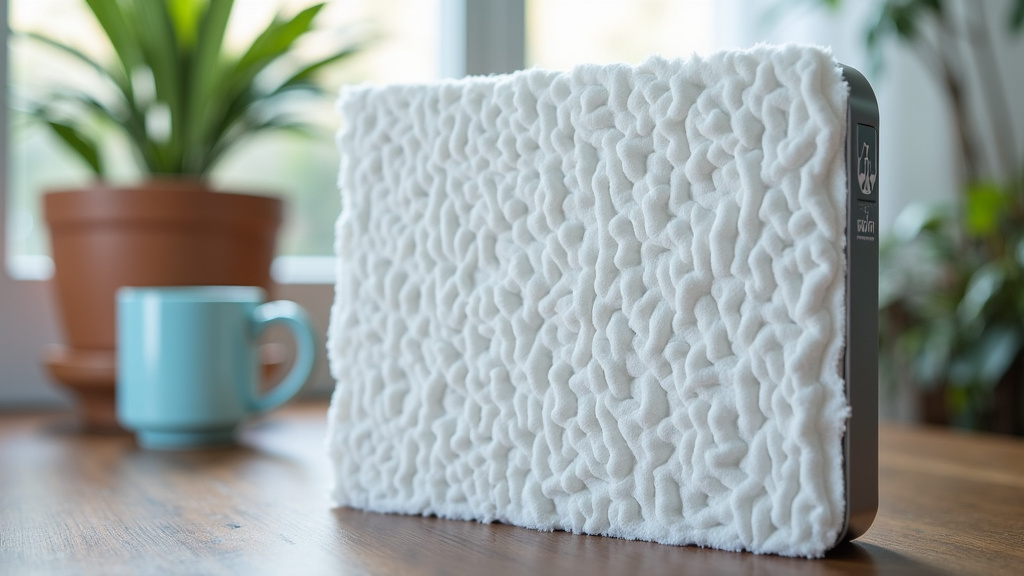
| Pre-filter (Mesh/Foam) | Catches large particles (hair, large dust clumps) | Often Yes | Protects main filter. Can sometimes be vacuumed or rinsed gently. |
| Activated Carbon Filter | Removes odors, gases, VOCs | No | Adsorbs pollutants. Washing releases trapped chemicals and ruins carbon structure. |
| Electrostatic Filter (Reusable) | Uses static charge to attract particles | Sometimes Yes | Different technology than HEPA. May be designed for rinsing. Check instructions carefully. |
| MERV-rated Filters (HVAC) | General air filtration in homes/businesses | No (typically) | Range of efficiency. Most residential MERV filters are disposable paper/fiberglass. |
Checklist for Filter Maintenance
To ensure you’re getting the best performance from your air purification system and protecting your investment, follow these simple steps:
- Read your air purifier’s or HVAC system’s manual thoroughly.
- Identify if your filter is a true HEPA filter or another type.
- Locate the manufacturer’s recommended replacement schedule.
- Order replacement filters in advance so you’re ready when needed.
- Never wash a non-washable HEPA filter.
- Avoid vacuuming or brushing your HEPA filter, as it can cause damage.
By following these guidelines, you’ll ensure your air quality stays high and your air purifier remains effective for years to come.
Conclusion
As we’ve discussed, the simple answer to “Can you wash a HEPA filter?” is almost always no. Attempting to wash these delicate filters destroys their microscopic structure, making them ineffective and potentially releasing trapped pollutants. Your best approach for clean air is regular replacement according to manufacturer guidelines. While the upfront cost of new filters can seem like a lot, it’s a small investment in your health and the lifespan of your air purification system. Always check your specific product manual to ensure you’re maintaining your filters correctly for optimal performance.
Frequently Asked Questions
How often should I change my air purifier’s HEPA filter?
You should generally change your air purifier’s HEPA filter every 6 to 12 months. This timeframe can vary based on usage, your home’s air quality, and whether you have pets or smokers. Always consult your air purifier’s manual for the most accurate replacement schedule.
Can I extend the life of my HEPA filter by vacuuming it?
No, we found that vacuuming a true HEPA filter is not recommended. The suction can damage the delicate fibers, creating gaps that allow particles to pass through. This compromises the filter’s effectiveness, even if it looks cleaner.
What happens if I accidentally wash my HEPA filter?
If you accidentally wash a non-washable HEPA filter, it will likely be damaged and rendered ineffective. The water can destroy the fiber structure and release trapped pollutants. We recommend replacing it immediately to ensure your air purifier functions correctly.
Are there any HEPA filters that are truly washable?
While most true HEPA filters are not washable, some manufacturers offer specialized pre-filters or certain types of “permanent” filters that can be rinsed. These are usually not the main HEPA media itself. Always check your product’s specific instructions to confirm if any part of your filtration system is designed for washing.
Does a dirty HEPA filter affect my air purifier’s energy usage?
Yes, a clogged or dirty HEPA filter can make your air purifier work harder. The motor has to exert more effort to pull air through the restricted filter, which can lead to increased energy consumption. Regular filter replacement helps maintain efficiency and prolongs your unit’s life.
