
What Is the Best Vacuum for a Car?
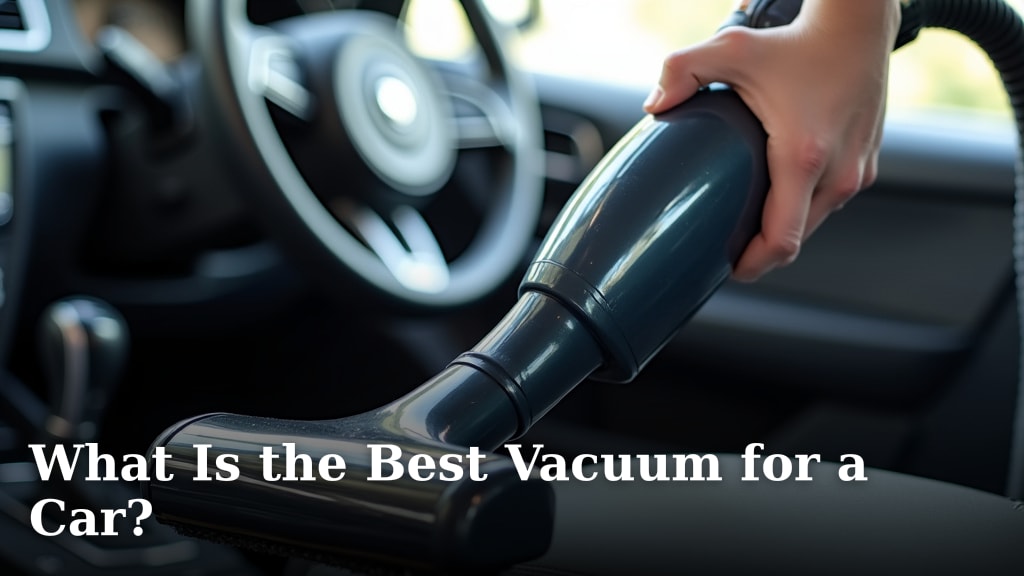
The best vacuum for a car is typically a cordless handheld model with strong suction and specialized attachments. We found that these vacuums offer the most convenience and power for cleaning tight spaces and stubborn messes inside your vehicle.
You want a vacuum that’s easy to maneuver and can reach every nook and cranny. Think about those crumbs under the seats or the dirt trapped in your floor mats. A good car vacuum makes quick work of pet hair, dirt, and spills, keeping your car looking its best.
- Cordless handheld vacuums are usually best.
- Look for strong suction power.
- Attachments help clean tricky spots.
- Portability and ease of use matter most.
- Ideal for quick cleanups and deep details.
Ready to get your car sparkling clean? Let’s dive into all the details you need to pick the perfect vacuum for your ride.
Choosing the Best Car Vacuum Cleaner
The best car vacuum cleaner for you will typically be a cordless handheld model. We found that these offer the ideal combination of power, portability, and ease of use for vehicle interiors.
You need something that’s lightweight and easy to move around. Your car has tight spots, right? A bulky vacuum just won’t cut it. You’ll also want strong suction to pick up all kinds of messes, from crumbs to stubborn pet hair.
Key Features to Look For
When you’re comparing car vacuums, several features really stand out. These are the things that make a big difference in how well the vacuum performs and how easy it is to use.
Suction Power
This is probably the most important feature. You want a vacuum that can suck up dirt, dust, and debris effectively. Look for models with high air watts (AW) or Pascal (Pa) ratings if they’re listed. A higher number usually means better suction.
Think about the types of messes you encounter. Pet hair, for example, needs serious power. Fine dust and sand also require a strong pull to lift them from carpets and upholstery.
Battery Life and Charging
Since you’ll likely choose a cordless model, battery life is crucial. You don’t want your vacuum dying halfway through a cleaning session. We found that 20-30 minutes of continuous run time is generally sufficient for a thorough car cleaning.
Consider the charging time too. Some vacuums charge quickly, while others can take several hours. A quick-charge feature can be a real time-saver if you use your vacuum often.
Attachments and Accessories
Attachments are your best friends when cleaning a car. They help you reach those awkward spots. We recommend looking for a vacuum that includes a crevice tool, a brush attachment, and maybe even a flexible hose.
- The crevice tool is perfect for getting between seats and into console gaps.
- A brush attachment helps agitate dirt and lift pet hair from carpets and upholstery.
- A flexible hose can extend your reach, allowing you to clean under seats without bending too much.
Filtration System
A good filtration system is important for your health and for keeping the air clean. Many car vacuums come with HEPA filters. These filters are designed to trap tiny particles, like allergens and dust mites (Environmental Protection Agency).
A washable filter is also a big plus. It means you can clean and reuse it, saving you money on replacements. Just make sure to clean your filter regularly to maintain optimal suction.
Cordless vs. Corded Car Vacuums
This is a common debate. While our research points to cordless being best for most people, it’s good to understand the differences.
Cordless vacuums offer ultimate freedom. You can take them anywhere without worrying about outlets. They’re usually smaller and easier to store. However, they rely on battery life and sometimes have slightly less power than corded models.
Corded vacuums, on the other hand, offer consistent, often stronger suction because they’re plugged directly into a power source. You never run out of battery. The downside is the cord itself – it can be cumbersome and limit your reach. You’ll need an extension cord or a power outlet nearby.
For most car owners, the convenience of cordless outweighs the slight power advantage of corded. Unless you’re doing heavy-duty detailing every week, cordless is likely your better bet.
Types of Car Vacuums: A Quick Overview
You might encounter a few different categories of vacuums that could work for your car. Let’s break them down.
Handheld Car Vacuums
These are the most popular choice for car interiors. They are compact, lightweight, and designed for portability. Most are cordless, making them ideal for quick cleanups and reaching tight spots.
Wet/Dry Vacuums (Shop-Vacs)
These are powerful, larger vacuums often used for garages or workshops. They can handle both dry debris and liquids, which is a huge plus for spills. However, they are typically much bulkier and louder than handheld models.
While a shop-vac offers superior power, its size and weight can make it less convenient for regular car cleaning. We found they’re best if you have a serious mess or need to extract water.
| Feature | Handheld Car Vacuum | Wet/Dry Shop-Vac |
|---|---|---|
| Portability | Excellent (Cordless, Lightweight) | Poor (Bulky, Often Corded) |
| Suction Power | Good for typical car messes | Excellent for heavy-duty tasks |
| Maneuverability | High (Reaches tight spots easily) | Low (Hard to get into small areas) |
| Battery Life | Limited (Relies on charge) | Unlimited (If corded) |
| Wet Spills | Generally not recommended | Excellent (Designed for liquids) |
| Noise Level | Moderate | High |
Maintaining Your Car Vacuum
To keep your car vacuum working its best, a little maintenance goes a long way. It ensures optimal performance and extends its lifespan. We often see people neglecting this step, which leads to reduced suction.
- Empty the dustbin regularly: Don’t wait for it to be completely full. A full bin reduces suction power.
- Clean or replace filters: If you have a washable filter, clean it as directed. If it’s disposable, replace it when it looks dirty.
- Check attachments: Make sure no debris is lodged in the nozzles or brush heads.
- Charge the battery: For cordless models, always keep the battery charged, especially if you won’t use it for a while.
Making Your Final Decision
So, you’ve considered all the features and types. What’s the best approach to pick the right one for you? Start with your most common cleaning needs.
Do you have kids and pets? Then strong suction and good attachments for pet hair are essential. Are you just doing quick touch-ups? Then a lightweight, super-portable model might be perfect.
Don’t just go for the most expensive option. Sometimes, a more affordable model perfectly suits your needs. Consider your budget, but prioritize the features that truly matter for your situation.
Car Vacuum Checklist
Use this quick checklist to guide your decision:
- Is it cordless and handheld for maximum portability?
- Does it have strong enough suction for your typical messes?
- Are the attachments useful for all areas of your car?
- Is the battery life sufficient for a full cleaning?
- Does it have a washable or effective filter system?
- Is it comfortable to hold and maneuver in tight spaces?
By focusing on these points, you’ll be well on your way to finding the perfect car vacuum for your ride. A clean car just feels better, doesn’t it?
Conclusion
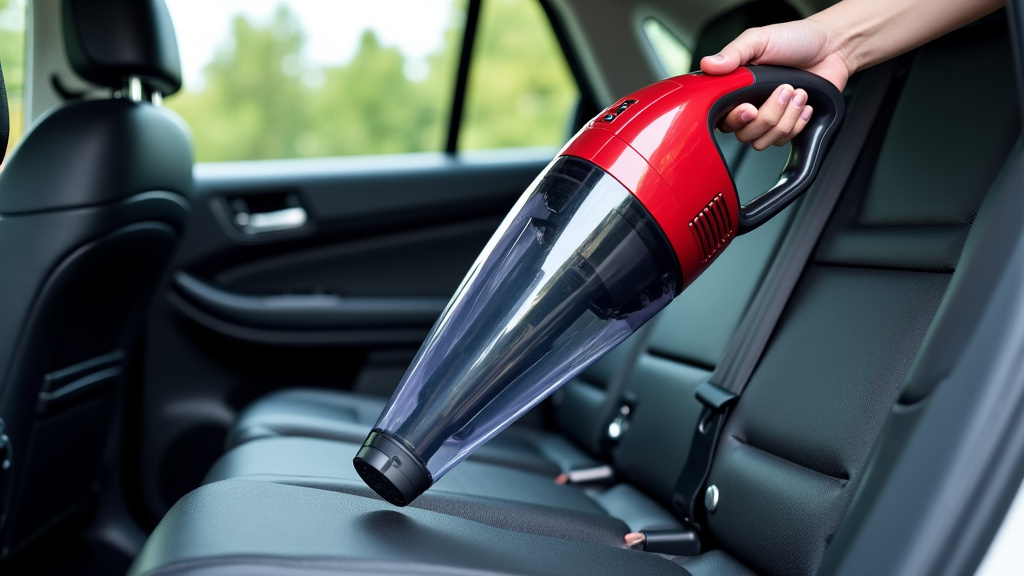
Choosing the best car vacuum means prioritizing what works for your lifestyle. We found that a cordless handheld model with strong suction and practical attachments offers the best balance of power and convenience for most car owners. Remember to consider battery life and a good filtration system to keep your car truly clean.
Regular maintenance, like emptying the dustbin and cleaning filters, will keep your vacuum performing its best for years. By focusing on your specific needs and using our checklist, you can confidently select a vacuum that makes car cleaning less of a chore and more of a quick, satisfying task.
Frequently Asked Questions
How often should I vacuum my car?
You should vacuum your car as often as needed to keep it clean. For most people, a quick vacuum every 1-2 weeks is sufficient. If you have pets, kids, or frequently eat in your car, you might need to vacuum more often.
Can I use a household vacuum cleaner for my car?
While you can use some household vacuums, they are often too bulky and lack the specialized attachments for car interiors. We found that a dedicated car vacuum is much more efficient and effective for reaching tight spaces and handling specific car messes.
What’s the difference between wet and dry car vacuums?
Dry car vacuums are designed only for dry debris like dust, dirt, and crumbs. Wet/dry vacuums (like shop-vacs) can handle both dry messes and liquid spills, making them versatile but usually larger and less portable for everyday car use.
Do car vacuums work on pet hair?
Many car vacuums are designed to tackle pet hair, especially models with strong suction and brush attachments. Look for features specifically mentioning pet hair removal to ensure it meets your needs. Regular vacuuming helps keep pet dander down.
Is a HEPA filter necessary in a car vacuum?
While not strictly necessary for basic cleaning, a HEPA filter is beneficial for trapping allergens and fine dust particles. It helps improve the air quality inside your car, which is great if you or your passengers have allergies or sensitivities.
