What Is a Wet Dry Vacuum Used For?
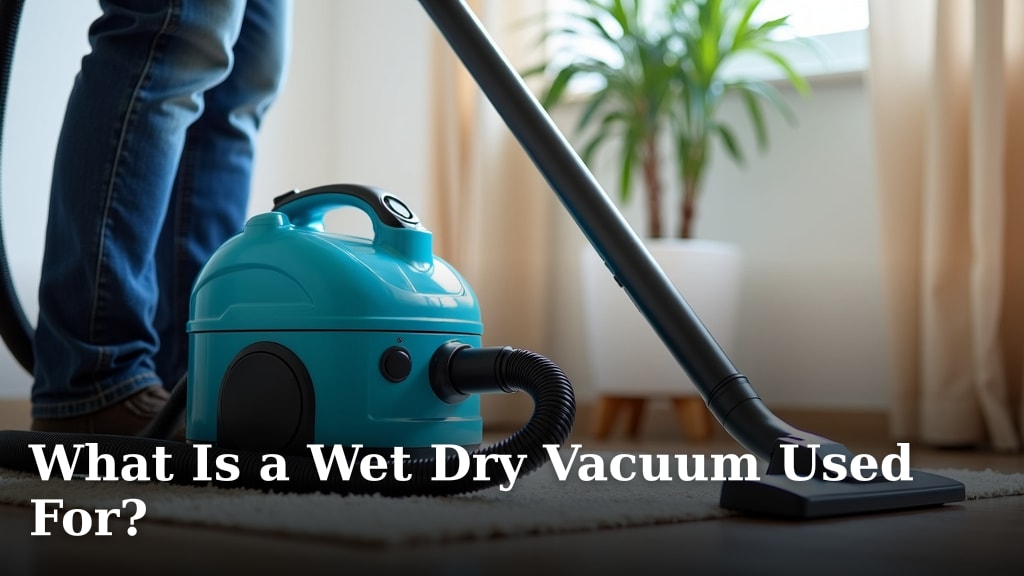
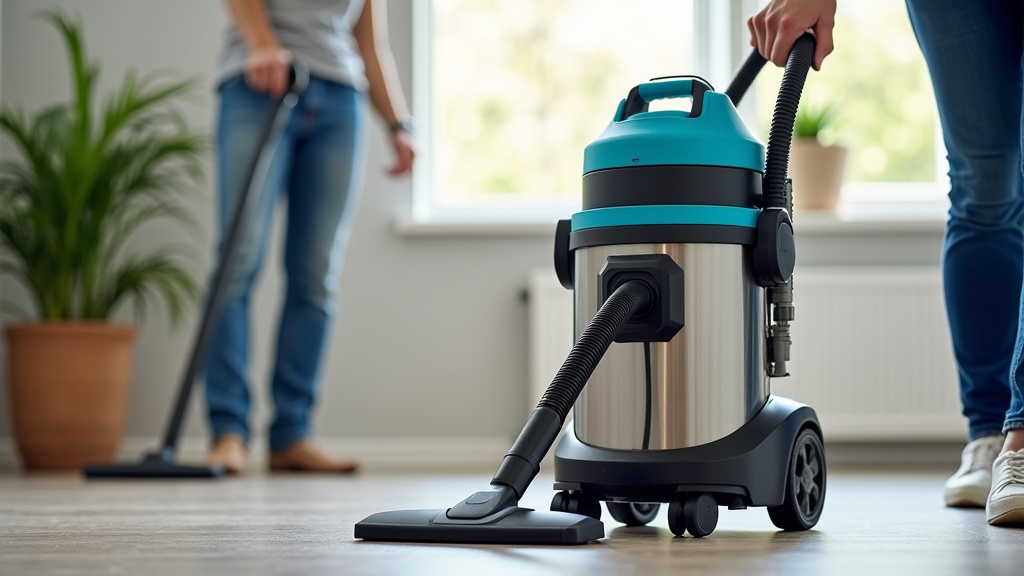
A wet dry vacuum is used for both wet and dry messes around your home or workspace. It’s a versatile cleaning tool designed to handle spills, dust, debris, and even standing water. Think of it as a super-powered vacuum cleaner that doesn’t mind getting wet.
You can use a wet dry vacuum to tackle jobs too tough for a regular vacuum. This includes sucking up liquid spills, cleaning garages, workshops, or basements, and even unclogging sinks. Many people use them for car interiors or during home renovation projects because of their powerful suction and durable design.
TL;DR:
- Cleans both liquid spills and dry debris.
- More powerful and durable than regular vacuums.
- Great for garages, workshops, and basements.
- Can handle car interiors and renovation cleanups.
- A must-have for unexpected floods or major messes.
Let’s dive into all the ways a wet dry vacuum can become your new favorite cleaning assistant, making tough jobs much easier for you.
Exploring the Many Uses of a Wet Dry Vacuum
A wet dry vacuum is incredibly versatile, making it a powerful tool for a wide range of cleaning tasks around your home, garage, and even your vehicle. It truly shines where traditional vacuums fall short.
Handling Spills and Liquid Messes
One of the primary reasons people choose a wet dry vacuum is its ability to effortlessly manage liquid spills. Imagine a burst pipe or an overflowing washing machine. This machine can make those crises much less stressful.
Water Removal from Flooded Areas
If you experience a basement flood or a major leak, a wet dry vacuum can be your first line of defense. It rapidly sucks up standing water, preventing further damage and mold growth. This quick action can save you a lot of trouble and expense.
We found that many homeowners keep one specifically for this purpose. It’s much faster than mops and buckets for significant water removal.
Cleaning Up Everyday Liquid Spills
Beyond emergencies, think about everyday spills. Knock over a bucket of water? Your wet dry vacuum handles it with ease. A child spills a large drink on the kitchen floor? No problem. It’s perfect for larger liquid messes that would overwhelm paper towels or a sponge.
Unclogging Sinks and Drains
You might be surprised to learn that some wet dry vacuums can help unclog sinks. By creating a powerful suction seal over the drain, they can often dislodge blockages. It’s a trick many plumbers use for minor clogs (research from home improvement sites suggests this method).
Tackling Dry Debris and Dust
While its wet capabilities are impressive, let’s not forget its dry vacuuming power. A wet dry vacuum is designed for tough dry messes that would clog or damage a regular household vacuum.
Workshop and Garage Cleanup
This is where a wet dry vacuum truly shines for many users. Think about sawdust, wood shavings, metal scraps, and drywall dust. These materials are too abrasive or fine for most home vacuums. Your wet dry vacuum can clean up these messes without missing a beat.
Many mechanics and DIY enthusiasts consider it an essential tool for maintaining a clean and safe workspace.
Post-Renovation Cleanups
Home renovation projects create a huge amount of dust and debris. Drywall dust, plaster chunks, insulation bits – it’s a monumental mess. A wet dry vacuum is built to handle this type of cleanup. Its robust motor and filtration systems are perfect for these challenging tasks.
You won’t have to worry about ruining your delicate household vacuum with construction debris.
Fireplace and Ash Cleanup
If you have a fireplace or wood-burning stove, you know how messy ash can be. A wet dry vacuum, especially with a specialized filter, can safely and effectively remove cold ash. This prevents the fine particles from spreading throughout your home.
Auto Detailing and Vehicle Maintenance
Your car can get pretty dirty inside. Mud, pet hair, spilled drinks – a regular vacuum often struggles. A wet dry vacuum offers superior power and capacity for cleaning vehicle interiors.
- Cleaning Car Carpets and Upholstery: It can suck up embedded dirt, crumbs, and even pet hair from your car’s interior.
- Removing Spilled Liquids: Dropped a soda? Your wet dry vacuum can handle liquid spills on car seats or floor mats.
- Dealing with Mud and Sand: These heavy, gritty messes are no match for its powerful suction.
Outdoor and Patio Cleaning
Your outdoor spaces also benefit from the power of a wet dry vacuum. From patios to garden sheds, these machines help keep things tidy.
Clearing Leaves and Debris from Patios
While not a leaf blower, a wet dry vacuum can suck up leaves and small debris from hard surfaces like patios or decks. It’s particularly useful for those hard-to-reach corners.
Cleaning Outdoor Furniture
If your outdoor furniture cushions get wet or dirty, a wet dry vacuum can help. It can suction excess water after a rainstorm or clean up spills from outdoor gatherings. Just make sure the cushions are suitable for wet cleaning.
Comparing Wet Dry Vacuums to Regular Vacuums
Understanding the core differences helps you see why a wet dry vacuum is indispensable for certain jobs. They are designed for different challenges.
| Feature | Wet Dry Vacuum | Regular Household Vacuum |
|---|---|---|
| Liquid Pickup | Yes, designed for liquids | No, can cause damage |
| Dry Debris | Yes, heavy-duty debris | Yes, fine dust, light debris |
| Motor Power | Typically higher (HP) | Lower (Amps) |
| Filtration | Often multi-stage, wet/dry specific | Primarily for dry dust, HEPA options |
| Durability | Robust, industrial-grade materials | Lighter, designed for home use |
| Container | Large, often a barrel or tank | Smaller bag or dust bin |
As you can see, their construction and capabilities are quite distinct. Your regular vacuum would likely be destroyed by many of the tasks a wet dry vacuum handles with ease.
Essential Accessories and Features for Enhanced Use
To get the most out of your wet dry vacuum, you’ll want to consider the accessories and specific features available. These can tailor the tool to your exact needs.
Hose and Nozzle Attachments
Different attachments make a big difference. A crevice tool is great for tight spots in your car, while a wide nozzle can speed up floor cleaning. Look for kits that include a variety of tools.
Some models even offer specialized attachments for pet hair or delicate surfaces.
Filters for Specific Jobs
Using the correct filter is crucial. You’ll typically need a different filter for wet pickup than for dry. Many come with foam filters for liquids and cartridge filters for dry debris. We found that always changing filters is key for optimal performance and preventing damage.
Blower Functionality
Many wet dry vacuums come with a blower port. This allows you to attach the hose to the exhaust and use it as a powerful blower. It’s great for clearing leaves, blowing dust out of crevices, or drying wet surfaces (research suggests this is a popular feature).
Choosing the Right Size and Power for Your Needs
Wet dry vacuums come in various sizes and power levels. Matching the right one to your common tasks is important for efficiency and satisfaction.
Consider Capacity (Gallons)
The tank size dictates how much liquid or dry debris it can hold before needing to be emptied. For occasional small spills, a smaller 2-6 gallon unit might be fine. For floods or large construction projects, you’ll want a 10-gallon or larger capacity.
Assess Horsepower (HP) or Air Watts
More horsepower generally means more suction power. For tough jobs like heavy debris or significant water removal, aim for higher HP (5.0 HP or more). For lighter tasks, a lower HP model might suffice. Air watts are another measure of suction power, indicating how effectively it moves air and lifts debris.
Safety First: Tips for Operating Your Wet Dry Vacuum
While powerful, proper operation ensures safety and extends the life of your machine. Always read your owner’s manual for specific instructions.
- Always switch filters between wet and dry use.
- Ensure the vacuum is unplugged when changing filters or attachments.
- Never vacuum hot ashes or flammable liquids, as this can be extremely dangerous.
- Wear appropriate safety gear, like eye protection, especially when dealing with fine dust.
- Regularly empty and clean the tank to prevent odors and mold growth.
Following these simple guidelines will help you safely and effectively use your wet dry vacuum for years to come.
Conclusion
You’ve now seen how a wet dry vacuum can transform your cleaning routine. From unexpected floods to workshop dust, and even detailing your car, it handles jobs a regular vacuum can’t. Its power and durability make it perfect for the toughest messes you encounter. Remember to use the right accessories and prioritize safety for the best results.
Ready to upgrade your cleaning arsenal? Consider the typical messes you face, then choose a wet dry vacuum with the right capacity and power. You’ll wonder how you ever managed without one!
Frequently Asked Questions
Can I use a wet dry vacuum to clean carpets?
While a wet dry vacuum can extract spills from carpets, it’s not designed for deep carpet cleaning like a dedicated carpet cleaner. It lacks the scrubbing brushes and hot water injection needed for thorough cleaning. Use it for quick liquid removal, not routine carpet washing.
How often should I clean my wet dry vacuum?
You should empty the tank after every use, especially for wet messes, to prevent odors and mold. Filters should be cleaned or replaced regularly depending on how often you use it and the type of debris. Checking the owner’s manual for specific maintenance schedules is always a good idea.
Is a wet dry vacuum safe for picking up broken glass?
Yes, a wet dry vacuum is generally safe for picking up broken glass, especially when compared to sweeping. The powerful suction reduces direct contact. However, always use caution, wear thick gloves, and dispose of the glass-filled debris safely afterward.
Can a wet dry vacuum be used to clear clogged outdoor drains?
For minor clogs in outdoor drains, a wet dry vacuum might help. You can create a seal over the drain and use its suction power. However, for significant blockages or main sewer lines, it’s best to call a plumber, as the vacuum may not be powerful enough or designed for those heavy-duty tasks.
What’s the difference between air watts and horsepower on a wet dry vacuum?
Horsepower (HP) generally refers to the motor’s raw power, while air watts measure the actual cleaning power at the hose end. Air watts give you a better indication of how effectively the vacuum moves air and picks up debris. A higher air watt rating usually means stronger suction and more efficient cleaning.