
What Is a Canister Vacuum?
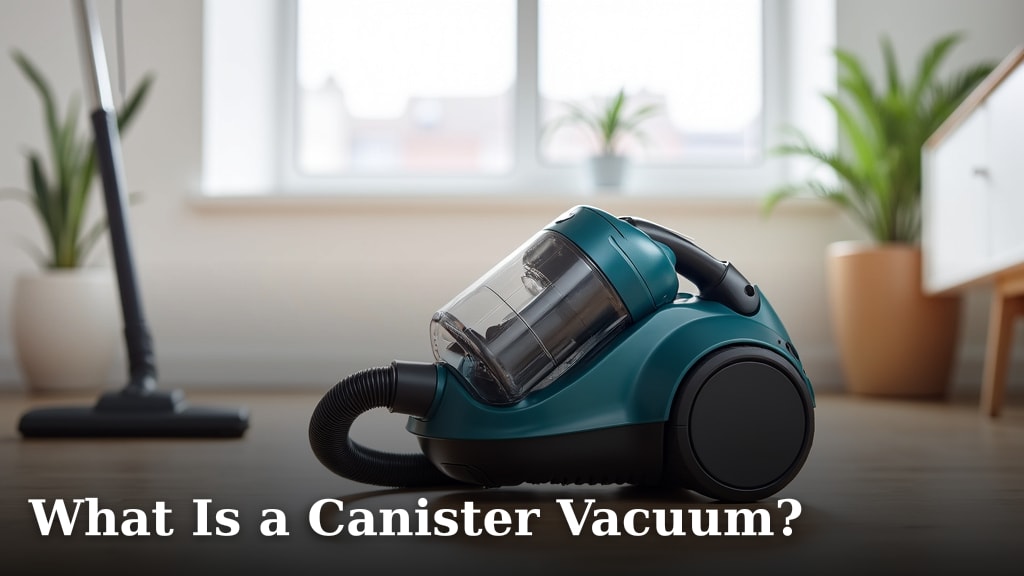
A canister vacuum is a type of vacuum cleaner that separates the motor and dirt collection bin from the cleaning head. This design makes them versatile and easy to maneuver, especially in homes with mixed flooring or lots of furniture. You get powerful suction without lugging a heavy upright.
Unlike upright models, canister vacuums feature a detachable hose and wand, giving you greater reach and flexibility. We found they are excellent for cleaning stairs, curtains, and even car interiors. Is your current vacuum making cleaning a chore?
- Canister vacuums separate the motor and dirt bin from the cleaning head.
- They offer powerful suction with a lightweight cleaning wand.
- Great for stairs, upholstery, and reaching tight spaces.
- Excellent for homes with a mix of hard floors and carpets.
- Often quieter and easier to store than large upright models.
Let’s dive into what makes a canister vacuum a great choice for many homes and explore if it’s the right fit for your cleaning needs.
Understanding Canister Vacuum Cleaners
Canister vacuums are a distinct category of cleaning appliances. They stand apart from uprights and stick vacuums due to their unique two-part design. Imagine a compact motor unit connected to a flexible hose and cleaning wand. This separation is key to their maneuverability and cleaning power.
You’ll find the motor, dustbin, and filtration system housed in the canister base. This base usually has wheels, allowing you to pull it along as you clean. The hose connects this base to the wand and various attachments. This design gives you the reach and flexibility that many upright models simply can’t match.
How a Canister Vacuum Works
Think of it like this: the powerful “engine” stays on the ground, while you only guide the “steering wheel.” Air is sucked in through the cleaning head, travels up the hose, and into the canister. There, dirt and debris are separated and stored. Filtered air is then expelled back into your room, leaving your floors cleaner.
The motor in the canister creates strong suction. This suction is channeled through the hose and attachments. This means you can clean delicate surfaces without pushing a heavy machine over them. It’s a system designed for efficient and comfortable cleaning.
Key Components of a Canister Vacuum
Let’s break down what you’ll find in most canister vacuums. Knowing these parts helps you understand their function. Each component plays a vital role in the vacuum’s overall performance.
- The Canister Body: This is the main unit. It contains the motor, dustbin or bag, and filters. It’s typically on wheels for easy movement.
- The Hose: A flexible tube connecting the canister to the wand. It allows for a wide range of motion.
- The Wand/Extension Tube: A rigid tube that attaches to the hose. It provides reach for floors and high-up spots.
- Cleaning Head/Floor Nozzle: This attachment goes at the end of the wand. You’ll often find a motorized powerhead for carpets and a straight suction head for hard floors.
- Attachments: These include crevice tools, dusting brushes, and upholstery tools. They expand the vacuum’s versatility for different tasks.
Advantages of Choosing a Canister Vacuum
When you’re looking for a new vacuum, you want something that makes cleaning easier, not harder. Canister vacuums bring a host of benefits to your cleaning routine. We found they often shine in areas where other types of vacuums struggle.
Their design offers a unique blend of power and maneuverability. Many users appreciate the ease with which they can navigate around furniture. They are a popular choice for homes with diverse cleaning needs. Let’s look at some of the main reasons why people love them.
Superior Maneuverability and Versatility
Imagine cleaning under low-slung furniture or reaching cobwebs on the ceiling without breaking a sweat. That’s where a canister vacuum excels. The lightweight cleaning wand means you’re not pushing a heavy machine around. This translates to less strain on your back and arms.
The long hose and various attachments allow you to tackle almost any cleaning challenge. From delicate drapes to dusty baseboards, you have the right tool. This versatility makes them a true multi-tasker for your home.
We found that their design is particularly helpful for homes with stairs. You can carry the lightweight canister or leave it at the bottom while you clean each step with the wand. This is a significant advantage over bulky uprights (Consumer Reports).
Excellent for Hard Floors and Delicate Surfaces
If you have a lot of hardwood, tile, or laminate flooring, a canister vacuum is often an ideal choice. Many models come with specialized hard floor brushes. These brushes gently clean without scratching. The powerful suction effectively picks up dust and debris without scattering it.
They are also gentle enough for delicate rugs and upholstery. You can adjust the suction power on many models to suit the surface. This prevents damage while still providing a thorough clean. You get effective cleaning without harshness.
Effective on Pet Hair and Allergens
Pet owners often face a constant battle with fur. Canister vacuums, especially those with powerful motorized brush heads, can be very effective against pet hair on carpets and upholstery. The strong suction helps lift embedded hair from fibers.
Many canister models also feature advanced filtration systems, including HEPA filters. These filters are designed to capture tiny particles like pet dander, pollen, and dust mites. This can be a huge benefit if you or your family members suffer from allergies (National Institute of Environmental Health Sciences).
Quieter Operation
Have you ever tried to have a conversation over a roaring vacuum? It’s not easy. Canister vacuums often operate at a lower noise level than their upright counterparts. This is because the motor is enclosed in the canister body. The sound is somewhat muffled.
A quieter vacuum makes cleaning a less disruptive experience. You can clean without disturbing others in your home. This might seem like a minor point, but a less noisy vacuum can make a big difference in your daily life.
Potential Drawbacks to Consider
While canister vacuums offer many benefits, it’s also important to consider their potential downsides. No vacuum is perfect for everyone. Understanding these points helps you make an informed decision for your home. We want you to choose the best tool for your cleaning needs.
Storage and Size Considerations
You’ll need a bit more space to store a canister vacuum. They are typically two separate pieces: the canister unit and the wand/hose assembly. This means they can take up more room in your closet than a compact upright.
Some models have clever ways to store the hose and attachments. However, they generally require a dedicated spot. If storage space is at a premium in your home, this is something to keep in mind. You might need to get creative with your storage solutions.
Can Be Cumbersome on Large Carpets
While excellent for hard floors and mixed surfaces, some canister vacuums can feel a bit more cumbersome on very large, deep-pile carpeted areas. Pushing and pulling the cleaning head might require more effort than with a self-propelled upright. The canister unit also needs to be pulled along behind you.
If your home is predominantly covered in wall-to-wall carpeting, especially thick carpet, an upright vacuum designed specifically for deep carpet cleaning might feel easier to use. However, many canister models now offer powerful motorized brush heads that significantly improve carpet performance.
Maneuvering the Canister Unit
While the cleaning wand is light, you still need to pull the canister unit behind you. This usually isn’t an issue on hard floors. But on very plush carpets, or if you have to frequently lift the canister over obstacles, it can require a bit more effort. Think about your home’s layout and how much you’d be moving the main unit.
We found that the quality of the wheels on the canister can make a big difference here. Better quality wheels glide more smoothly. This makes the vacuum feel less like a chore to pull around.
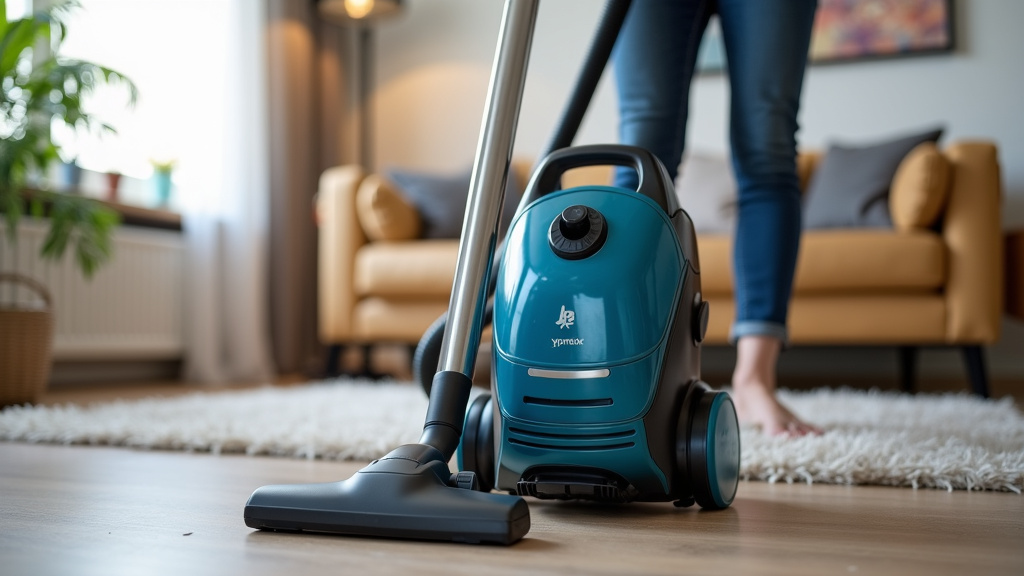
Is a Canister Vacuum Right for Your Home?
Now that you know the ins and outs of canister vacuums, how do you decide if one is right for you? It really comes down to your home’s specific needs and your cleaning preferences. Consider the types of flooring you have and the tasks you perform most often.
Here’s a quick checklist to help you evaluate if a canister vacuum aligns with your cleaning style:
- Do you have a mix of hard floors and carpets?
- Do you frequently clean stairs, upholstery, or curtains?
- Is maneuverability around furniture a high priority?
- Do you prefer a lighter cleaning tool in your hand?
- Are you looking for powerful suction and versatile attachments?
- Is quieter operation important to you?
If you answered “yes” to most of these questions, a canister vacuum might be an excellent choice for your home. It offers a blend of power, flexibility, and convenience that many users find indispensable.
Ultimately, the best vacuum is the one that you’ll use regularly and effectively. We encourage you to think about what aspects of cleaning frustrate you most with your current vacuum. A canister vacuum could be the solution you’re looking for.
Canister vs. Upright Vacuum: A Quick Comparison
It’s helpful to see how canister vacuums stack up against their most common rival: the upright vacuum. While both aim to clean your floors, they go about it in very different ways. Understanding these differences can solidify your decision.
Upright vacuums combine the motor and cleaning head into one unit. This makes them often good for large carpeted areas. Canister vacuums, as we’ve discussed, keep them separate. This separation leads to distinct advantages and disadvantages for each type. Let’s compare some key points.
| Feature | Canister Vacuum | Upright Vacuum |
|---|---|---|
| Design | Two-part (canister + hose/wand) | One-piece (motor & head combined) |
| Maneuverability | Excellent for tight spaces, under furniture, stairs | Good for open areas; can be bulky for tight spots |
| Floor Types | Exceptional on hard floors, good on carpet | Often excels on carpet, decent on hard floors (with settings) |
| Weight in Hand | Lightweight wand | Heavier, you push the whole unit |
| Noise Level | Generally quieter | Often louder |
| Storage | Requires more space, two main components | More compact, one unit |
| Versatility | High, many attachments for various tasks | Moderate, built primarily for floors |
As you can see, each type has its strengths. If you have a larger home with mostly carpet, an upright might be very efficient for you. But if you have a mix of surfaces, stairs, and a need for detailed cleaning, the canister vacuum really shines.
Conclusion
As you’ve seen, a canister vacuum offers a unique blend of power and precision. If you have a home with diverse flooring, tricky corners, or frequently clean stairs and upholstery, this vacuum type could genuinely simplify your cleaning routine. You get strong suction and the flexibility of a lightweight wand, making those challenging tasks much easier.
Consider your living space and cleaning habits. If a canister vacuum aligns with your needs, you’ll find it’s a powerful and versatile tool that truly makes a difference. Choosing the right vacuum means choosing more effective, less strenuous cleaning for your home.
Frequently Asked Questions
Are canister vacuums good for pet hair?
Yes, many canister vacuums are excellent for pet hair, especially those equipped with powerful motorized brush heads for carpets and strong suction for upholstery. Their specialized attachments can effectively lift embedded fur.
Can a canister vacuum replace an upright?
For many homes, especially those with mixed flooring and stairs, a canister vacuum can absolutely replace an upright. However, if you have a very large home predominantly covered in thick, wall-to-wall carpeting, some uprights might offer a slightly easier experience on those specific surfaces.
Do canister vacuums have bags or are they bagless?
Canister vacuums come in both bagged and bagless varieties. Bagged models capture dirt in a disposable bag, which can be beneficial for allergy sufferers. Bagless models use a dirt cup that you empty, reducing ongoing costs for bags.
Are canister vacuums hard to store?
Canister vacuums require a bit more space than a compact upright because they have two main components: the canister unit and the hose/wand assembly. Some models are designed to store more compactly, but you’ll generally need a dedicated spot in a closet or utility area.
Can I use a canister vacuum on delicate rugs?
Absolutely! Canister vacuums are often ideal for delicate rugs. Many models allow you to adjust the suction power and come with gentle floor brushes or attachments that clean effectively without damaging fibers. This makes them much safer than heavy, aggressive uprights on fragile textiles.
