
How to Deep Clean Carpet with a Carpet Cleaner?

<p>The easiest way to <strong>deep clean carpet with a carpet cleaner</strong> is by first vacuuming thoroughly, then pretreating stains, and finally, using your machine with the <strong>correct cleaning solution</strong>. This process helps lift ground-in dirt and <strong>refresh your carpets</strong> effectively.</p>
<p>Many homeowners find that a good deep clean can <strong>revitalize their living spaces</strong>, removing allergens and odors that regular vacuuming misses. We found that investing a little time in this task can <strong>extend the life of your carpets</strong> and improve indoor air quality. Isn’t that something we all want?</p>
<ul>
<li>Vacuum your carpet thoroughly before cleaning.</li>
<li>Pretreat any stubborn stains.</li>
<li>Choose the right carpet cleaning solution.</li>
<li>Use your carpet cleaner slowly and methodically.</li>
<li>Allow plenty of drying time.</li>
</ul>
<p>Ready to make your carpets look new again? Let’s walk through exactly how to deep clean carpet with a carpet cleaner, step by step.</p>
Deep Cleaning Your Carpets with the Right Equipment
Deep cleaning your carpets with a carpet cleaner is simpler than you might think. It involves a few key steps to ensure you lift deep-seated dirt and grime, leaving your floors fresh and vibrant.
Choosing the Right Carpet Cleaner for Your Home
The first step in a successful deep clean is having the right tool. You have a few options when it comes to carpet cleaners, each with its own benefits.
Purchasing vs. Renting a Carpet Cleaner
Should you buy or rent? That’s a common question we hear. If you have a large home with a lot of carpeted areas, or if you plan to clean frequently, investing in your own machine might be wise.
Owning your cleaner means it’s always available when you need it. You can tackle spills immediately, preventing them from setting in. This convenience is a big plus, many homeowners tell us.
Renting is a great option for occasional cleaning or smaller spaces. Many grocery stores or hardware stores offer rentals. It saves storage space and upfront cost. We found this is a popular choice for annual spring cleaning.
Consider the type of cleaning you’ll be doing. A personal machine might be less powerful than a rental. Rental units often have stronger motors and wider cleaning paths, making quick work of large rooms.
Here’s a quick comparison to help you decide:
| Feature | Purchasing Your Own | Renting a Machine |
|---|---|---|
| Cost | Higher upfront investment | Lower per-use cost |
| Availability | Always ready when needed | Requires pickup/return |
| Power | Varies; home models often less powerful | Often industrial-grade, more powerful |
| Storage | Requires dedicated storage space | No storage needed at home |
| Maintenance | Responsible for cleaning and repairs | Less personal maintenance responsibility |
| Frequency | Best for frequent or routine cleaning | Ideal for occasional or heavy-duty jobs |
Selecting the Best Carpet Cleaning Solution
The cleaning solution you use is just as important as the machine itself. The wrong solution can leave residue or even damage your carpet fibers.
Always check your carpet cleaner’s manual for recommended solutions. Many manufacturers suggest using their brand’s specific formulas. This helps ensure compatibility and good results.
Look for solutions designed for your carpet type. Some are made for synthetic fibers, others for natural ones. Using the correct type prevents damage and ensures an effective clean.
We found that enzyme-based cleaners are excellent for pet stains and odors. They break down organic matter, truly neutralizing smells rather than just masking them. This is a big win for pet owners.
Avoid using harsh chemicals like bleach, unless specifically recommended and diluted. These can strip color from your carpet or weaken the fibers over time. Your carpet deserves a gentler touch.
Many people prefer eco-friendly or non-toxic options, especially if they have children or pets. These often use plant-based ingredients and are gentler on the environment and your household.
Always perform a patch test in an inconspicuous area. Apply a small amount of solution and let it dry. This confirms it won’t discolor your carpet before you clean the entire room. Better safe than sorry, right?
Preparing Your Space for a Deep Carpet Clean
Proper preparation is key to a successful and efficient deep clean. It helps your carpet cleaner work better and protects your belongings.
Removing Obstacles and Decluttering
Before you even think about plugging in your machine, clear the room. This means moving all furniture, small rugs, and anything else off the carpeted area. Think of it like clearing a dance floor.
If you can’t move heavy furniture, place plastic sheets or aluminum foil under the legs. This prevents moisture from the cleaning process from wicking into the wood or metal. It also protects your carpet from rust or stains.
Pick up any small items like toys, pens, or coins. These can get sucked into the carpet cleaner’s motor or damage its internal components. A quick sweep of the floor beforehand helps prevent this.
Consider rolling up area rugs that are sitting on top of your wall-to-wall carpet. Clean them separately or store them away until the main carpet is dry. This prevents moisture transfer and uneven drying.
Thorough Vacuuming: Your First Line of Defense
This step is non-negotiable. Many people underestimate the power of a good vacuuming before deep cleaning. It’s the foundation of a truly clean carpet.
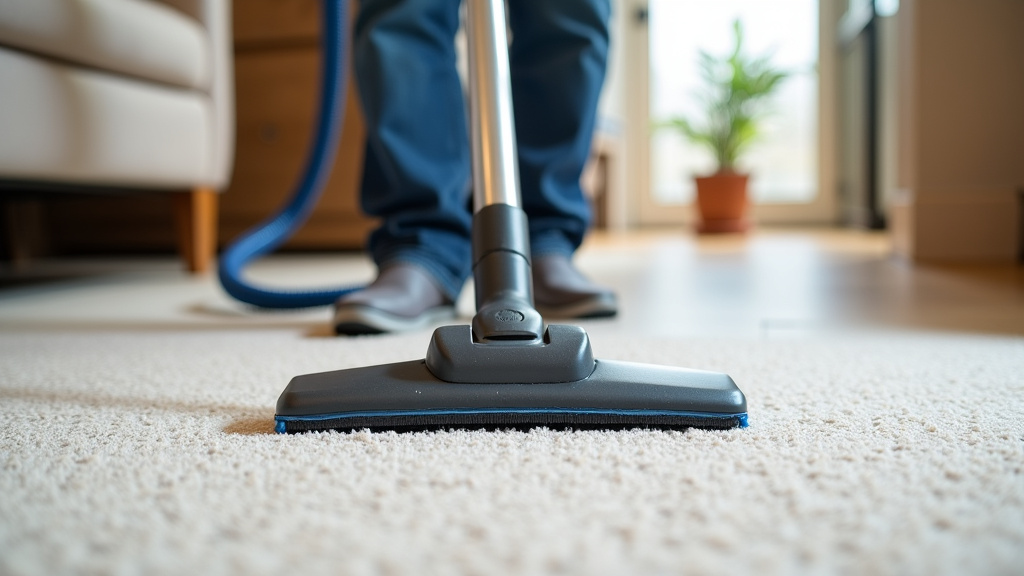
Use a powerful vacuum cleaner with strong suction. Go over the carpet several times, in different directions. This lifts loose dirt, pet hair, and debris that the deep cleaner would just push around.
Pay extra attention to high-traffic areas. These spots accumulate the most dry soil. Your vacuum can remove a surprising amount of grit before any water touches the carpet.
Think of it this way: your carpet cleaner is designed to wash the carpet fibers. It’s not a dry vacuum. Removing all the loose stuff first makes its job much easier and more effective. It also prevents clogs in your machine.
We found that skipping this step significantly reduces the effectiveness of the deep clean. Don’t rush it; this groundwork pays off.
Pretreating Stubborn Stains
Not all stains are created equal. Some require a little extra attention before the main cleaning process. This is where pretreating comes in.
Identify any visible spots or heavily soiled areas. These are the prime candidates for pretreatment. Think about those coffee spills or muddy paw prints.
Apply a suitable carpet pretreating solution directly to the stain. Follow the product’s instructions carefully for dwell time. This allows the solution to break down the stain before you extract it.
Gently blot the treated area with a clean white cloth. Do not rub vigorously, as this can spread the stain or damage carpet fibers. Blotting lifts the stain away.
For tough pet stains, we recommend using an enzyme cleaner for pretreatment. These solutions break down the organic matter causing the odor and discoloration (CDC). This is a game-changer for pet owners.
Pretreating helps ensure a more uniform clean. If you just hit a set-in stain with the carpet cleaner, it might not fully come out. A little extra care here goes a long way.
The Deep Cleaning Process: Using Your Carpet Cleaner
Now that your room is prepped and your machine is ready, it’s time for the main event. Cleaning your carpet methodically ensures the best results.
Mixing and Filling the Solution Tank
Follow your carpet cleaner’s instructions for mixing the cleaning solution. Most machines have clear markings on their tanks for water and solution ratios. Don’t eyeball it; precision matters here.
Use warm, not hot, water unless your machine specifically calls for it. Extremely hot water can sometimes set certain stains or even damage synthetic carpet fibers. Always check your manual.
Avoid overfilling the tank. This can lead to spills or inefficient operation. A full tank is often heavier, making the machine harder to maneuver. Many experts suggest filling only to the recommended line.
Ensure the solution tank is securely attached to the machine. A loose tank can leak, creating a mess or wasting your cleaning solution. Give it a gentle tug to confirm it’s seated properly.
Working in Sections: A Methodical Approach
Start at the farthest corner of the room and work your way backward toward the exit. This prevents you from walking over freshly cleaned, wet carpet. It’s like painting yourself out of a corner.
Clean in small, overlapping sections. Don’t try to do too much at once. About a 3×3 foot area is a good starting point for many.
Push the machine forward slowly, releasing the cleaning solution. Then, pull it back slowly over the same path, extracting the dirty water. The slow, steady pace is vital for proper extraction.
For heavily soiled areas, you might need to make an extra pass or two. However, avoid oversaturating the carpet. Too much moisture can lead to longer drying times and potential mold growth.
Always prioritize extraction. The goal is to put down solution, then pick up as much dirty water as possible. This is what truly deep cleans and reduces drying time.
Periodically check your dirty water tank. When it looks full or the water is very dark, empty it and refill your clean water tank. This ensures you’re always cleaning with fresh solution.
After the Clean: Drying and Final Touches
The cleaning isn’t over when the machine is put away. Proper drying is crucial for preventing mold, mildew, and re-soiling.
Ensuring Adequate Drying Time
Ventilation is your best friend during the drying process. Open windows and doors, or use fans to circulate air. The more airflow, the faster your carpet will dry.
Avoid walking on the damp carpet as much as possible. If you must, wear clean socks or shoe covers to prevent transferring dirt back onto the fibers. Your hard work deserves protection.
Drying can take anywhere from 6 to 24 hours, depending on humidity, carpet thickness, and how much water was extracted. Patience is key here.
You can gently brush the carpet pile with a soft brush or rake once it’s mostly dry. This helps lift the fibers, making the carpet look fluffier and preventing matting. It gives a professional finish.
Do not replace furniture until the carpet is completely dry. Placing furniture on damp carpet can lead to mildew, stains, or damage to both the carpet and the furniture legs. Give it ample time.
Consider using a dehumidifier in very humid environments. This can significantly speed up the drying process and prevent musty odors. A dry carpet is a happy carpet.
Post-Cleaning Checklist
You’ve done the hard work, but a few final steps ensure everything is in order.
- Empty and rinse the dirty water tank thoroughly.
- Rinse the clean water tank to remove any residue.
- Clean any brushes or attachments on your carpet cleaner.
- Wipe down the exterior of the machine.
- Allow the machine to air dry completely before storing it.
- Return any rented equipment promptly.
- Enjoy the fresh smell and appearance of your revitalized carpets!
By following these steps, you’ll not only have cleaner carpets but also a well-maintained machine ready for its next use. It’s a win-win for your home and your cleaning tools.
Conclusion
Deep cleaning your carpets with a carpet cleaner truly transforms your home. By choosing the right equipment and solution, and carefully preparing your space, you’re setting yourself up for success. Remember to work methodically and prioritize thorough drying. This process not only revitalizes your carpets’ appearance but also improves indoor air quality. You’ll enjoy a fresher, healthier living environment for you and your family.
So, gather your supplies and get ready to enjoy refreshingly clean carpets today!
Frequently Asked Questions
How often should I deep clean my carpets?
Most experts recommend deep cleaning carpets every 6 to 12 months. However, homes with pets, children, or high foot traffic might benefit from more frequent cleaning, perhaps every 3 to 6 months. It truly depends on your household’s needs and how quickly your carpets get soiled.
Can I use regular household cleaners in my carpet cleaner?
No, you should only use carpet cleaning solutions specifically designed for your machine. Regular household cleaners can damage your carpet fibers, leave sticky residue, or even harm your carpet cleaner’s internal components. Always check your machine’s manual for recommended cleaning formulas.
What if my carpet still smells after deep cleaning?
Lingering odors often indicate that the source of the smell, like pet urine, wasn’t fully neutralized. We found that enzyme-based cleaners are best for breaking down organic odors. You might need to re-treat specific areas with an enzyme solution and allow it more dwell time before another extraction.
Is it better to clean carpets on a sunny day?
Yes, cleaning carpets on a low-humidity, sunny day is ideal. Good ventilation and warmer temperatures help carpets dry faster, reducing the risk of mold or mildew growth. Open windows and use fans to maximize airflow, speeding up the drying process significantly.
Will deep cleaning shrink my carpet?
Modern synthetic carpets are generally resistant to shrinking when cleaned properly. However, over-saturating the carpet with water or using excessively hot water on certain natural fibers (like wool) can potentially cause shrinkage or damage. Always follow your carpet cleaner’s instructions and avoid excessive moisture.
