How to Unclog a Vacuum Hose?
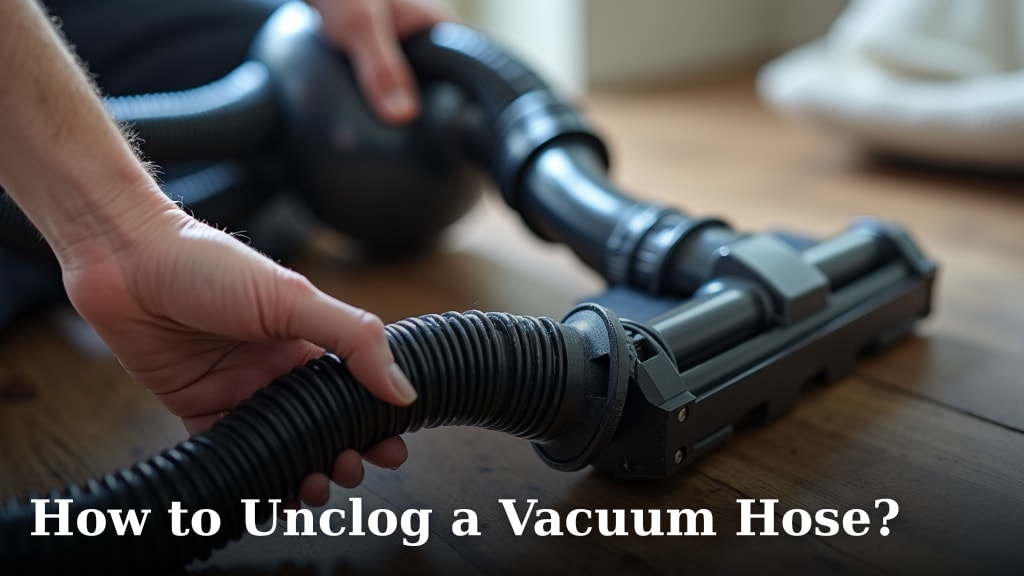
To unclog a vacuum hose, you should first disconnect it from the vacuum and power source. Then, visually inspect the hose for any obstructions. You can often clear blockages manually using your hands or by carefully pushing a broom handle through the hose to dislodge debris.
A clogged vacuum hose significantly reduces your vacuum’s suction power, making cleaning jobs much harder. We found that most clogs are due to large debris like socks or paper wads getting stuck inside. Addressing the clog quickly helps maintain your vacuum’s performance and extends its lifespan.
- Disconnect the vacuum hose safely.
- Visually check for obvious blockages.
- Use hands or a broom handle to clear clogs.
- Never use sharp objects to avoid damage.
- Test the hose after clearing the obstruction.
Does your vacuum sound like it’s trying its best but nothing’s happening? Let’s walk through exactly how to get your vacuum hose running smoothly again, step by step.
Clearing a Blocked Vacuum Hose Safely and Effectively
You can often clear a vacuum hose blockage quickly using simple tools you already have. The key is to be gentle.
When your vacuum loses suction, a clogged hose is a common culprit. We found that most clogs happen because of items too large for the vacuum to handle, like socks or small toys. Don’t worry, clearing them is usually pretty straightforward.
Pre-Clog Checks: Your Vacuum’s Health Report
Before you dive into the hose, let’s do a quick check-up. Sometimes, the problem isn’t the hose at all. This saves you time and effort.
Power and Filter Basics
Is your vacuum plugged in correctly? It sounds silly, but a loose plug means no power. Also, check for tripped circuit breakers. Many people overlook this basic step first.
When was the last time you checked your filters? A dirty filter can severely reduce suction, making it seem like you have a clog. Most manufacturers suggest cleaning or replacing filters regularly (Consumer Reports advises checking every 3-6 months).
Canister or Bag Inspection
Is the dirt canister full? Or is the vacuum bag overflowing? A full collection area means nowhere for new debris to go. Emptying it can often restore suction immediately. We found this to be a surprisingly common cause.
The Hands-On Approach: Disconnecting and Visual Inspection
Okay, it’s time to get up close and personal with your vacuum hose. Safety first, always.
Disconnecting Your Vacuum Hose
First, unplug your vacuum from the wall outlet. This is critical. You don’t want the machine accidentally turning on while your hands are near an opening. It’s a simple step that prevents potential injury.
Next, detach the hose from the vacuum body. Most hoses have a quick-release button or a twisting mechanism. Take your time to understand how yours works. Forcing it might break a connection.
Once disconnected, you have two separate pieces: the vacuum body and the hose. This makes it much easier to handle and inspect the hose.
Visual Clog Hunting
Hold the hose up to a light source. Can you see through it? Look for any obvious blockages. It might be a clump of hair, a stray sock, or even a small toy. Sometimes, the problem literally stares you in the face.
Feel along the length of the hose. Do you feel a firm lump or bulge? This can indicate where the clog is hiding. A tactile inspection can often pinpoint its location quickly.
Gentle Clog Removal Techniques
Now that you’ve found the clog, let’s get it out. Remember, “gentle” is the keyword here. We want to clear the clog, not damage the hose.
The Manual Maneuver
If the clog is near one end, try reaching in with your hand. Can you grab it? Twist it? Pull it out? Sometimes, your own two hands are the best tools for the job.
For more stubborn clogs, try gently squeezing or manipulating the hose from the outside. This can help to break up the clog or move it to a more accessible spot. Think of it like trying to move something through a flexible pipe.
The Broom Handle or Dowel Method
For clogs deeper inside, a broom handle or a long, slender dowel can work wonders. Make sure the end isn’t sharp. You don’t want to puncture the hose.
Gently push the handle through the hose. Work slowly. You’re trying to dislodge the clog, not ram it. If you meet resistance, don’t force it. Try rotating the handle or moving it back and forth to break up the obstruction.
Many experts say this method is effective because it applies even pressure without sharp edges (Good Housekeeping). It’s a low-risk, high-reward technique.
The Power of Air (or Water, Carefully)
Can you use another vacuum? If you have a wet/dry vac, you can often use its suction (or even its blower function) to clear the clog from the affected hose. Connect the clean hose to the clogged one and apply suction or pressure. This can be very effective.
For really stubborn clogs, some people suggest using a garden hose to blast water through it. However, this comes with a big warning: only do this if your vacuum hose is designed to handle water and you can thoroughly dry it afterward. Any moisture left behind can lead to mold or damage your vacuum when reattached.
Here’s a quick comparison of popular unclogging methods:
| Method | Pros | Cons | Best For |
|---|---|---|---|
| Manual Extraction | Quick, no tools needed, very safe | Only works for accessible clogs | Clogs near hose ends |
| Broom Handle/Dowel | Effective for deeper clogs, low risk | Requires appropriate tool, some effort | Mid-hose blockages |
| Another Vacuum (Suction/Blower) | Powerful, often very effective | Requires a second working vacuum | Stubborn, deep clogs |
| Water Blast (Wet/Dry Vac Only) | Breaks up solid matter, powerful | Risk of water damage/mold if not dried | Very dense, stubborn clogs |
What NOT to Do: Avoiding Damage
Just as important as knowing what to do is knowing what to avoid. You want to fix the problem, not create a new one.
Sharp Objects are a No-Go
Never use sharp objects like knives, scissors, or screwdrivers to clear a clog. You might puncture the hose, creating a hole that leaks suction. Suddenly, your small clog problem becomes a big repair problem. Think about the integrity of your hose.
Also, avoid metal hangers. While they seem flexible, their ends can be sharp and scratch or tear the inside of the hose. A small tear will ruin your vacuum’s suction just as much as a clog.
Chemical Cleaners: A Bad Idea
Please don’t pour chemical drain cleaners into your vacuum hose. These chemicals are harsh and designed for plumbing, not plastic and rubber vacuum components. They can melt or degrade the hose material, releasing noxious fumes, and causing permanent damage. They are simply not safe for this purpose.
Post-Clog: Reassembly and Testing
You’ve done the hard work. Now, let’s put everything back together and make sure your vacuum is purring again.
Reattaching the Hose
Carefully reattach the hose to your vacuum cleaner. Ensure it clicks firmly into place. A loose connection means air leaks, which means poor suction.
Double-check any other attachments you might have removed, like wands or brush heads. Everything should fit snugly.
The Suction Test
Plug in your vacuum cleaner. Turn it on. Do you hear that satisfying roar? Place your hand over the end of the hose. Do you feel strong suction? If so, congratulations, you’ve successfully unclogged your hose!
If suction is still weak, go back through the steps. Did you miss a smaller clog? Is a filter still dirty? Sometimes, it takes a second look to catch everything.
Here’s a quick checklist for after you clear a clog:
- Confirm complete blockage removal: Visually inspect the hose one last time after clearing.
- Reattach securely: Make sure all hose connections are tight and leak-free.
- Check filters: A dirty filter can mimic a clog, so ensure yours are clean.
- Empty dustbin/bag: Overfilled containers reduce suction significantly.
- Test for suction: Run the vacuum briefly and feel the suction at the hose end.
- Listen for changes: Does the vacuum sound like it’s working normally again?
Clearing a vacuum hose clog is a common task for many homeowners. By following these steps, you can save money on repairs and keep your home cleaner. It’s a rewarding bit of DIY maintenance.
Conclusion
You’ve seen how a few simple steps can turn a frustrating clogged vacuum into a powerful cleaning tool again. By safely disconnecting, thoroughly inspecting, and gently clearing blockages, you save yourself time and money.
Remember those pre-clog checks, like filters and full bags; they often solve weak suction without even touching the hose. Avoid sharp objects or harsh chemicals to protect your vacuum.
Regular, gentle maintenance ensures your vacuum lasts longer and performs better. Now, go enjoy your perfectly functioning vacuum and a cleaner home!
Frequently Asked Questions
How often should I check my vacuum hose for clogs?
It’s a good idea to check your vacuum hose whenever you notice a significant drop in suction. Also, perform a quick visual check if you’ve recently vacuumed up something particularly large or stringy, like shoelaces or excessive pet hair.
Can a clogged hose damage my vacuum cleaner?
Yes, a persistent clog makes your vacuum’s motor work much harder, leading to overheating and potential motor burnout over time. Addressing clogs promptly helps extend your vacuum’s lifespan and prevents costly repairs.
What’s the best way to prevent vacuum hose clogs?
To prevent clogs, try to avoid vacuuming up large items like socks, small toys, or excessive amounts of loose hair. Regularly emptying your vacuum’s dustbin and cleaning filters also helps maintain optimal suction, reducing the likelihood of clogs forming.
My hose is clear, but suction is still weak. What else could it be?
If your hose is clear, check other vacuum components. Ensure your dirt canister isn’t full or your bag isn’t overflowing. Also, inspect and clean or replace your vacuum’s filters, as dirty filters are a very common cause of reduced suction.
Is it safe to use compressed air to clear a vacuum hose?
Using compressed air can be effective for some clogs. However, be cautious; too much pressure might damage older or weaker hose material. It’s generally safer to use methods like a broom handle or another vacuum’s suction, but a gentle blast of air can sometimes dislodge lighter blockages.