
What Is the Best Vacuum for the Price?

The best vacuum for the price balances strong cleaning performance, crucial features, and a reasonable cost. We found that mid-range models often offer the most value for most homes.
You don’t need to spend a fortune to get a great clean. Many brands offer fantastic options that fit your budget and tackle common messes, whether you have pets or allergies. The key is finding a vacuum that meets your specific needs without breaking the bank.
- Look for powerful suction that works on your floor types.
- Consider features like HEPA filtration for allergies.
- Check user reviews for real-world performance.
- Stick vacuums offer convenience; uprights often have more power.
- Don’t overpay for features you won’t use.
Let’s walk through our research to help you find the best vacuum for the price, so you can make a smart choice for your home.
Finding the Right Vacuum for Your Budget
The best vacuum for the money isn’t always the cheapest. It’s about getting the most value for your dollar. This means balancing performance with features.
You want a vacuum that handles your home’s needs without unnecessary extras. Our research shows that mid-range models often excel in this area. They offer solid cleaning power.
Understanding Vacuum Types and Their Price Points
Different vacuum types cater to different needs and budgets. Knowing these differences helps you decide where to invest. Think about your home and lifestyle.
Upright Vacuums: Power and Affordability
Upright vacuums are a classic choice for a reason. They offer strong suction for carpets. Many models are very affordable. You get a lot of cleaning power for the price.
These are great if you have a lot of carpeted areas. They often come with attachments for versatility. However, they can be a bit heavy or bulky.
Canister Vacuums: Versatility and Maneuverability
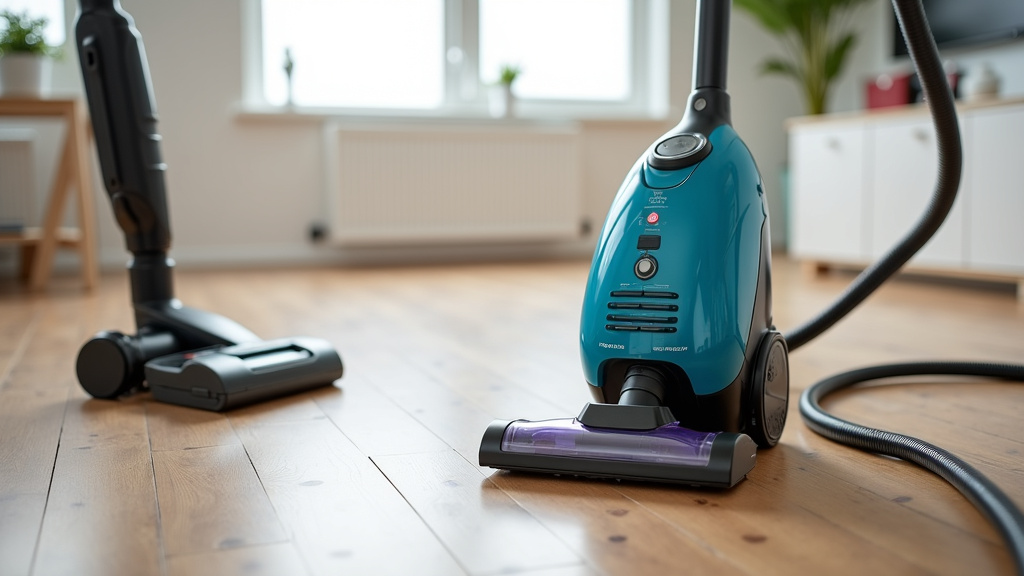
Canister vacuums separate the motor from the cleaning head. This makes them lighter to maneuver. You can easily reach under furniture. They work well on both hard floors and carpets.
They often cost a bit more than basic uprights. But their versatility can be worth it. They are a good choice if you have mixed flooring.
Stick Vacuums: Lightweight and Convenient
Stick vacuums are fantastic for quick cleanups. They are lightweight and easy to store. Cordless options offer incredible freedom. Many people use them daily for small messes.
While convenient, they usually have smaller dustbins. Their battery life can be a factor for larger homes. Price points vary widely, with cordless models often being more expensive.
Robot Vacuums: Effortless Cleaning
Robot vacuums offer hands-free cleaning. They can be scheduled to clean for you. This saves you time and effort. It’s the ultimate convenience.
They are generally the most expensive option. They might struggle with heavily soiled areas. But for daily maintenance, they are excellent. Our research suggests they can significantly reduce your cleaning burden (Consumer Reports).
Handheld Vacuums: Spot Cleaning Solutions
Handheld vacuums are perfect for small spills and car interiors. They are compact and portable. You can grab them for quick jobs.
These are usually the cheapest type of vacuum. They are not meant for whole-house cleaning. Think of them as a useful companion.
Key Features That Deliver Value
When you’re searching for value, focus on features that truly matter. Don’t pay for gizmos you won’t use. Look for things that improve cleaning or durability.
- Suction Power: This is fundamental for good cleaning.
- Filtration System: Important for allergy sufferers, especially HEPA filters.
- Brush Roll Adjustment: Essential for moving between carpet and hard floors.
- Dust Bin Capacity: A larger bin means less frequent emptying.
- Attachments: Useful tools like crevice tools or upholstery brushes.
Prioritizing Your Cleaning Needs
Your unique household situation should guide your choice. What are your biggest cleaning challenges? Are there pets? Allergies? Mostly hard floors or carpets?
If you have pets, you’ll need strong suction and a good brush roll. Look for “pet” specific models. These often have specialized tools for hair.
If allergies are a concern, a vacuum with a sealed system and a HEPA filter is vital. This traps tiny particles instead of releasing them back into the air (Environmental Protection Agency).
Evaluating Performance vs. Price: Our Findings
We found that there’s a sweet spot for vacuums. You don’t need to buy the most expensive model to get great performance. Many vacuums in the $200-$400 range offer excellent value.
Below $100, you might sacrifice durability or suction power. Above $500, you’re often paying for advanced features or brand names. These might not always translate to better cleaning for *your* needs.
Consider reading user reviews. What do real people say about performance over time? This “real-world” experience is very telling.
| Vacuum Type | Typical Price Range | Best For… |
|---|---|---|
| Upright | $100 – $300 | Heavy carpet cleaning, general home use |
| Canister | $200 – $500 | Mixed flooring, detailed cleaning, maneuverability |
| Cordless Stick | $250 – $600+ | Quick cleanups, hard floors, allergy relief (some models) |
| Robot | $300 – $1000+ | Hands-free daily maintenance, smart home integration |
| Handheld | $30 – $100 | Spot cleaning, car interiors, small messes |
Durability and Warranty: Long-Term Value
A vacuum’s durability directly impacts its long-term value. A cheap vacuum that breaks in a year isn’t a good deal. Look for brands known for reliability.
Check the warranty. A longer warranty often signals confidence from the manufacturer. This can save you money on repairs down the road.
Some brands offer parts that are easy to replace yourself. This also adds to the vacuum’s lifespan. You want a tool that lasts.
Maintenance Costs: Another Price Factor
Don’t forget ongoing costs. Do you need expensive bags or filters regularly? Bagless vacuums save money on bags. However, their filters might still need replacing.
Some vacuums have washable filters. This reduces ongoing costs significantly. Consider this when budgeting for your vacuum.
Testing a Vacuum Before You Buy
If possible, try out a vacuum in person. How does it feel? Is it too heavy? Is it easy to push and pull?
Many stores allow you to test them. Pay attention to the noise level. A very loud vacuum can be annoying during use.
Your Smart Vacuum Shopping Checklist
Before you commit, run through this quick checklist. It helps ensure you’re making a wise purchase for your home.
- Does it match your primary floor type (carpet, hard floors)?
- Is the suction strong enough for your dirt and debris?
- Does it have the necessary filtration (e.g., HEPA for allergies)?
- Is it comfortable to use and store for your home size?
- Does the brand have a good reputation for durability and support?
Conclusion
Choosing the best vacuum for your budget means aligning its capabilities with your home’s unique demands. We’ve shown that prioritizing features like strong suction, appropriate filtration, and durability within the $200-$400 range often delivers the greatest value.
By considering your floor types, potential allergens, and how often you’ll use it, you can avoid overspending on unnecessary extras. Take these insights, use our checklist, and confidently select a vacuum that will keep your home clean without stretching your wallet.
Frequently Asked Questions
Is it always better to buy a vacuum with a HEPA filter?
A HEPA filter is beneficial if you or family members have allergies or asthma, as it captures tiny airborne particles. If allergies aren’t a concern, a standard, good-quality filter is often sufficient and can save you money.
How often should I replace my vacuum’s filters?
The frequency depends on your vacuum type and usage. Washable filters should be cleaned monthly, while non-washable filters typically need replacing every 3-6 months. Always check your vacuum’s user manual for specific recommendations.
Can I find a good pet vacuum on a budget?
Yes, many mid-range upright and canister vacuums offer excellent performance for pet hair removal without a premium price tag. Look for models specifically marketed for pets, which usually include strong brush rolls and specialized attachments.
What’s the main difference between bagged and bagless vacuums for value?
Bagless vacuums can offer long-term savings by eliminating the need to buy replacement bags. However, bagged vacuums often provide better filtration and are more convenient for allergy sufferers, as dust is contained when emptying.
Are refurbished vacuums a good way to save money?
Refurbished vacuums can offer significant savings. Ensure they come from a reputable seller, have been thoroughly inspected, and include a warranty. This can be a smart way to get a higher-end model for a lower price.
